Rural Veterans and Local Nonprofits Receive Critical Housing Support

Contact: Dan Stern, dan@ruralhome.org
AHRV Team, ahrv@ruralhome.org
(202) 842-8600

Rural Veterans and Local Nonprofits Receive Critical Housing Support

Funded by The Home Depot Foundation

Washington, DC, June 7, 2022 – Veterans and their families in thirteen rural communities will have better lives, thanks to The Home Depot Foundation and the Housing Assistance Council. The Foundation is awarding grants totaling $375,107 to thirteen local nonprofit housing agencies around the country to preserve housing for veterans in rural America.

The grants are part of The Home Depot Foundation’s mission to improve the homes and lives of U.S. veterans and invest $500 million in veteran causes by 2025. Many veterans and their families face major housing challenges, often exacerbated by issues related to unemployment, age, and service-related disabilities. The Home Depot Foundation and the Housing Assistance Council (HAC) are dedicated to giving back to those who have answered the highest call of service to our nation.

As part of its Affordable Housing for Rural Veterans (AHRV) Initiative, HAC works with The Home Depot Foundation to administer grants that bolster and support the work of rural nonprofit housing agencies to deliver critical housing support to veterans. “HAC’s partnership with The Home Depot Foundation continues to be a vital factor in our ability to strengthen the capacity of local rural organizations in their efforts to build and preserve homes of veterans across rural America,” said David Lipsetz, HAC’s CEO. “Growing nonprofit capacity empowers communities and serves as an impact multiplier, enabling nonprofits to expand their services and assist more veterans with overcoming housing challenges.”  As rural America is home to a disproportionately high number of service women and men, HAC remains deeply committed to supporting our nation’s service women and men by uplifting local nonprofits and their work to house and ensure the safe habitability of their homes and rural communities.

The grantee organizations – described below – provide a range of programs. With the grants, veterans who own homes in Arkansas, Arizona, Louisiana, Mississippi, North Dakota, New York, Pennsylvania, South Dakota, Texas, Wisconsin, and West Virginia will obtain critical repair assistance. Altogether, 65 veterans and their families will benefit from these grants.

About The Home Depot Foundation 

The Home Depot Foundationworks to improve the homes and lives of U.S. veterans, support communities impacted by natural disasters and train skilled tradespeople to fill the labor gap. Since 2011, the Foundation has invested more than $400 million in veteran causes and improved more than 50,000 veteran homes and facilities. The Foundation has pledged to invest half of a billion dollars in veteran causes by 2025 and $50 million in training the next generation of skilled tradespeople through the Path to Pro program.

To learn more about The Home Depot Foundation visit HomeDepotFoundation.organd follow us on Twitter @HomeDepotFound and on Facebook and Instagram @HomeDepotFoundation.

About the Housing Assistance Council

The Housing Assistance Council (HAC) is a national nonprofit that supports affordable housing efforts throughout rural America. Since 1971, HAC has provided below-market financing for affordable housing and community development, technical assistance and training, research and information, and policy formulation to enable solutions for rural communities.

About the Grantees

  • Adults and Youth United Development Association, Inc., San Elizario, TX, will utilize $30,000 to provide needed critical repairs for ten (10) veterans in the Border Colonia area of the state of Texas. For additional information on Adults and Youth United Development, Inc., visit their Facebook page at https://www.facebook.com/ayudaorg/.
  • Bethlehem Farms, Inc., Alderson, WV, will utilize $30,000 to support rehabilitation and modification of eight (8) veteran homes, prioritizing critical repairs to remove unsafe living conditions. For additional information on Bethlehem Farms, Inc., visit their website at https://bethlehemfarm.net.
  • Eureka Christian Health Outreach, Eureka Springs, AR, will utilize $28,350 to support the development of one (1) “small home” which will become part of the Echo Village community, which serves veteran residents with temporary housing together with access to critical counseling, medical, skills training, social services, and “best life possible” supportive services. For additional information on Eureka Christian Health Outreach, visit their website at www.echofreeclinic.org.
  • Good Works, Inc., Coatesville, PA, will utilize $14,891 to provide critical health and safety repairs to one (1) home of an elderly veteran. For additional information on Good Works, Inc., visit their website at https://www.goodworksinc.org.
  • GROW South Dakota, Sisseton, SD, will utilize $30,000 to provide critical home repairs for six (6) veterans. For additional information on GROW South Dakota, visit their website at https://www.growsd.org.
  • Habitat for Humanity Wisconsin River Area, Baraboo, WI, will utilize $30,000 to support critical repairs and accessibility modifications for five (5) rural low-income disabled veterans. For additional information on Habitat for Humanity Wisconsin River Area, visit their website at https://hfhwisconsinriver.org.
  • Hope for All, Mountain Home, AR, will utilize $31,866 to support the renovation and structural repairs to a seventy (70) year old home, used as a homeless shelter to assist four (4) rural veterans. For additional information on Hope for All, visit their website at https://www.hopeforallmh.org.
  • Mississippi Center for Police & Sheriffs, Raymond, MS, will utilize $30,000 to assist in the construction of one (1) veteran cottage, which will become part of a fifteen (15) unit “Warrior Cottages” housing complex meeting the need for emergency and transitional housing for veterans. For additional information on the Mississippi Center for Police & Sheriffs, visit their Facebook page at https://www.facebook.com/search/top/?q=MS%20Center%20for%20Police%20and%20Sheriffs
  • Rebuilding Together Fargo-Moorhead Area, Fargo, ND, will utilize $30,000 to support the rehabilitation and ADA modification of three (3) veteran owned units. For additional information on Rebuilding Together Fargo-Moorhead Area, visit their website at https://www.rebuildingtogetherfma.org.
  • Rebuilding Together Saratoga County, Ballston Spa, NY, will utilize $30,000 to support the rehabilitation and modification of four (4) veteran owned units. For additional information on Rebuilding Together Saratoga County, visit their website at https://www.rtsaratoga.org.
  • Red Feather Development Group, Flagstaff, AZ, will utilize $30,000 to assist six (6) Native American veteran homeowners with critical roof replacements and ADA modifications. For additional information on Red Feather Development Group, visit their website at www.redfeather.org.
  • Southern Appalachian Labor School, Kincaid, WV, will utilize $30,000 to construct ADA accessible ramps and address critical adaptation or safety issues for twelve (12) veterans. For additional information on Southern Appalachian Labor School, visit their Facebook page at https://www.facebook.com/Southern-Appalachian-Labor-School-284621148272166/.
  • Tangi Community Development, Amite, LA, will utilize $30,000 to support rehabilitation and ADA modifications on four (4) disabled veteran homes. For additional information on Tangi Community Development, visit their website at https://www.tangicdcnonprofit.org.

HAC News: May 26, 2022

TOP STORIES

White House releases housing supply plan.

Citing burdensome housing costs and a shortfall of available units, on May 16 the Biden-Harris Administration released a Housing Supply Action Plan that includes administrative and legislative proposals to improve existing housing finance mechanisms. It also calls on Congress to establish a Housing Supply Fund and incentivize zoning reform to accelerate the building of more housing nationwide. HAC’s statement on the plan applauds the administration for designing and including several provisions specifically with rural markets in mind.

Rural homelessness bill passes House committee.

The House Committee on Financial Services approved several bills on May 18 including the Flexibility in Addressing Rural Homelessness Act, H.R. 7196. The bill, introduced by Reps. Cindy Axne (D-IA) and Frank Lucas (R-OK), would give rural Continuums of Care more flexibility in using their funding, allowing them to pay for short-term emergency lodging, including in motels or hotels; repairs to make existing housing habitable; and capacity building.

Senate subcommittee hears Torres Small on rural housing.

On May 25, USDA Under Secretary for Rural Development Xochitl Torres Small appeared at a hearing titled Examining the U.S. Department of Agriculture’s Rural Housing Service, held by the Senate Banking Committee’s Housing Subcommittee. Her testimony focused on the importance of the funds and actions proposed in the administration’s budget request, including the Rural Partnership Program and support for rental preservation efforts. USDA will need $10 billion in the MPR preservation program by 2033 to preserve 137,000 units, she said; without “robust funding,” USDA will lose 333,780 of its approximately 400,000 rental units by 2050. Questions from Senators attending the hearing recognized the need for these units, the positive potential of the Section 502 Single Family Housing Direct Loan Relending Program for Native Americans, and opportunities to improve agency processes, staffing, and technology.

Vilsack appears before Senate committee.

USDA Secretary Tom Vilsack was the only witness at a May 26 Senate Agriculture Committee hearing on Opportunities and Challenges Facing Farmers, Families, and Rural Communities, which focused primarily on agriculture topics. Responding to Senators’ questions, Vilsack expressed a commitment to equity for Black and underserved stakeholders, support for immigration reform including the H-2A visa program, and intentions to hire additional Rural Development field staff if Congress appropriates the necessary funding.

Manufactured housing hearing set for May 26.

The House Transportation-HUD Appropriations Subcommittee is holding a hearing May 26 on Manufactured Housing: Supporting America’s Largest Unsubsidized Affordable Housing Stock, with HAC’s Director of Research and information, Lance George, among the witnesses. His testimony explains the importance of manufactured homes as affordable housing in rural America and the challenges facing manufactured housing residents, owners, and communities. It suggests that new research is needed to inform evidence-based solutions and that Congress could help address pressing challenges by providing grants for land acquisition by resident owned cooperatives, other mission-focused nonprofits, and public sector housing agencies, as well as financing for individual homeowners.

RuralSTAT

More than half of all manufactured homes are located in rural areas around the country and manufactured homes make up 14% of all occupied homes in rural and small-town communities. Source: Housing Assistance Council tabulations of the U.S. Census Bureau’s 2016-2020 American Community Survey.

OPPORTUNITIES

Housing Preservation Grants available.

USDA will make Section 533 Housing Preservation Grants to nonprofits, state and local governments, and tribes for repair or rehabilitation of rental or owner-occupied housing for low- and very low-income rural residents. Preapplications are due July 11. For more information, contact a USDA Rural Development State Office.

HUD offers service coordinator funds.

Nonprofits, PHAs, tribes, Tribally Designated Housing Entities, and resident associations can apply by July 18 for Resident Opportunity and Self-Sufficiency Service Coordinator grants to hire staff who assess the needs of public and Indian housing residents and link them to training and supportive services. For more information, contact HUD’s ROSS Program Office, 202-402-3624, ROSS-PIH@HUD.gov.

Owners of USDA-funded properties invited to host summer meals.

Rental housing and Community Facilities sites funded by USDA Rural Development can host the Summer Food Service Program operated by the Food and Nutrition Service for low-income children and teens. Local sponsoring organizations prepare the meals and deliver them. For more information, contact USDA Summer Food Service Program staff.

REGULATIONS AND FEDERAL AGENCIES

Census reports on accuracy of state-level data.

The Census Bureau’s Post-Enumeration Survey, one of the tools used to evaluate the accuracy of the 2020 Census, estimated there were no statistically significant undercounts or overcounts of population in 36 states and D.C., undercounts in six states, and overcounts in eight. Reliable estimates are not available for demographic characteristics or geographic areas within states. In March, Census reported estimated national undercounts for renters and Black or African American, American Indian or Alaska Native, some other race, and Hispanic or Latino populations, as well as children under age 5 and working age men. The remainder of the PES estimates, including results for housing units, and undercount and overcount rates for Puerto Rico, are expected to be released this summer.

Family Self-Sufficiency program changes implemented.

HUD has published a final rule putting 2018 legislative changes into effect for the Family Self-Sufficiency program. Revisions include expanding the definition of eligible families to include tenants of privately owned multifamily properties with Project-Based Rental Assistance. PHAs and property owners must comply with this rule by November 14. For more information related to public and Indian housing, email questions to FSS@hud.gov; related to privately owned properties, email MF_FSS@hud.gov.

Thompson confirmed as FHFA director.

On May 25, the Senate confirmed Sandra L. Thompson to serve a five-year term as director of the Federal Housing Finance Agency. She has been the agency’s acting director since June 2021.

Placemaking toolkit offered.

USDA and the University of Kentucky’s Community and Economic Development Initiative of Kentucky have created a digital Rural America Placemaking Toolkit intended to help rural leaders build placemaking plans. It covers conducting assessments, provides examples of placemaking projects, and includes information about technical assistance providers, funders, and resources.

Guidance covers design/build and construction management for USDA Community Facilities.

Replacing earlier guidance that has expired, USDA explains the process of obtaining agency approval for use of design/build or construction management services for Community Facilities projects. While USDA allows for the contracting of such all-in-one services, when the contract exceeds $250,000 prior approval must be obtained from the National Office. For more information, contact a USDA Rural Development State Office.

USDA tenant data shows emergency aid dramatically reduced cost burden.

USDA’s annual report on the characteristics of tenants in Section 515 and 514 properties shows that in October 2021 there were 108 fewer Section 515 properties and 25 fewer farm labor housing properties than in 2020, a total reduction of 1,709 units. The average household income rose by 3.78% to $14,665. Tenant households receiving Section 521 Rental Assistance saw a 7.13% increase in income to $12,501. The number of resident households paying more than 30 percent of their income for rent fell sharply from 41,121 in 2020 to 3,227 in 2021. USDA attributed this 92% decrease to the emergency rental assistance funds made available because of the coronavirus pandemic.

PUBLICATIONS AND MEDIA

Wildfire risk calculated across the U.S.

First Street Foundation has developed a model to estimate the risk of wildfire on a property-by-property basis across the U.S. now and up to 30 years in the future. Reports by the New York Times and Washington Post use First Street’s data to create interactive maps and graphics. First Street’s online Risk Factor tool also includes information about flood risk.

Local nonprofit capacity impacted distribution of pandemic rent aid.

An Uneven Housing Safety Net: Disparities in the Disbursement of Emergency Rental Assistance and the Role of Local Institutional Capacity, published by the Terner Center for Housing Innovation at the University of California at Berkeley, explores county-level take-up of federal Emergency Rental Assistance funding along with data about local governmental and nonprofit capacity, preexisting economic hardship, and pandemic-related impacts on employment. Researchers found that, while ERA is reaching many eligible households, counties that had higher levels of economic distress before the pandemic and where local nonprofit networks are less resourced also had relatively lower ERA take-up rates. Many of these counties are outside metropolitan areas.

Rural data helps address persistent poverty.

Filling the Data Gap in Rural America, written by Partners for Rural Transformation and published by Forbes, highlights how HAC works to increase access to data about rural America to better address rural housing challenges and persistent poverty.

Study describes rural Missouri renters’ concerns.

The State of Missouri Tenants: Listening to Tenants in America’s Heartland and a related podcast report on interviews with rural renters around the state conducted by KCTenants in 2021. While physical housing conditions and costs were the problems mentioned most often statewide, researchers found differences based on type of housing. In privately owned apartment complexes and manufactured home parks, affordability was the biggest tenant concern. In public housing (where rents are limited based on income), housing conditions were the major problem. Tenants who were Black or other people of color reported a higher incidence of problems than those who were white.

Iowa county’s growth plan: increase Latino population.

A Rural County in Iowa That Supported Trump Turns to Latinos to Grow, a Washington Post story, describes efforts in rural Greene County, Iowa to address chronic population decline by recruiting Latino residents. The county has jobs available, is trying to address a shortage of housing, and plans to educate residents about their new neighbors.

Guide covers partnerships for rural healthcare.

A Playbook for New Rural Healthcare Partnership Models of Investments, released by the Build Healthy Places Network, is intended to assist healthcare organizations that want to pursue partnerships with local community and economic development and other sectors in rural areas to create the community conditions that support improved community health.

Preparing for weather emergencies saves lives.

10 Tips for Rural Dwellers to Prepare for Emergencies, an article from Next Avenue, provides advice for rural residents to get ready for natural disasters. In addition to stocking up on supplies, food, and equipment, the author recommends creating a communication plan for your family and networking with your community.

HAC

HAC seeks Housing Specialist and Community Placemaking Manager.

  • The Housing Specialist is based primarily in either the Southwest or Western states (within two hours of a major airport) and works with local partner organizations to identify financial resources and funding opportunities to support the preservation and development of affordable housing and community and economic development strategies specifically throughout expanses of Southwest and/or Western rural America. This position is remote location eligible.
  • The Community Placemaking Manager helps rural residents use their unique artistic and cultural resources to guide local development and shape the future design of their communities. The manager will cultivate the capacity of partner organizations and local communities, facilitate peer-to-peer learning engagements, manage day-to-day program functions and activities, communicate program success, and prepare funding applications. Travel is required. This position is telecommuting eligible.

Need capital for your affordable housing project?

HAC’s loan fund provides low interest rate loans to support single- and multifamily affordable housing projects for low-income rural residents throughout the U.S. and territories. Capital is available for all types of affordable and mixed-income housing projects, including preservation, new development, farmworker, senior and veteran housing. HAC loan funds can be used for pre-development, site acquisition, site development, construction/rehabilitation and permanent financing. Contact HAC’s loan fund staff at hacloanfund@ruralhome.org, 202-842-8600.

Please note: HAC is not able to offer loans to individuals or families. Borrowers must be nonprofit or for-profit organizations or government entities (including tribes).

HAC News: May 12, 2022

TOP STORIES

Community Reinvestment Act proposal released.

Comments are due August 5 on a proposed new CRA rule issued jointly by the three federal agencies that regulate banks and other lenders: the Office of the Comptroller of the Currency, the Federal Reserve Board, and the Federal Deposit Insurance Corporation. Along with many other changes, the proposed rule would revise the way CRA assessment areas are delineated. It would create new performance tests for large banks (those with assets of at least $2 billion) and intermediate banks (those with assets between $600 million and $2 billion), including a Community Development Financing Test and a Community Development Services Test. Small banks (with under $600 million in assets) would be evaluated under the current CRA performance standards unless they opted into the new Retail Lending Test. For more information, contact Heidi Thomas, OCC, 202-649-5490.

May is Asian American, Native Hawaiian, and Pacific Islander Heritage Month.

President Biden’s proclamation and other federal information about the observance are available online.

RuralSTAT

In March 2022 the unemployment rate outside of metropolitan areas dropped to 3.9%, continuing a general decline in the rural joblessness rate since the height of the pandemic. Source: Housing Assistance Council tabulations of Bureau of Labor Statistics LAUS Data.

OPPORTUNITIES

Choice Neighborhoods Planning Grants available.

PHAs, local governments, tribal entities, and nonprofits are eligible for funds that support the development of comprehensive plans to revitalize severely distressed public housing and/or HUD-assisted housing and the surrounding neighborhood. Apply by July 28. For more information, contact HUD staff.

Webinars cover subdivision development for affordable housing.

Subdivision development is a complex undertaking that requires both a vision of what is possible and an eye for detail throughout the entire process. HAC offers a free three-part webinar series, covering the process from start to finish, the financial risks and rewards for rural housing organizations, and more. Recordings are posted online from Session 1: An Overview and Session 2:  From Project Inception Through Land Acquisition. Session 3:  From Land Acquisition to Completion will be on May 25.

REGULATIONS AND FEDERAL AGENCIES

Some additional non-citizens temporarily eligible for Section 502 guaranteed loans.

For one year, beginning May 2, 2022, non-citizens with valid Social Security Numbers and work authorization, as evidenced by documentation such as an Employment Authorization Document, Form I-766, are temporarily eligible for USDA Section 502 guaranteed mortgages. USDA’s announcement explains that it intends to change its regulations to make this eligibility expansion permanent. For more information, contact a USDA RD service center.

Nonprofits and others will have new opportunity to purchase some foreclosed homes.

The Federal Housing Administration has modified its Claims Without Conveyance of Title post-foreclosure sale process, through which lenders can sell foreclosed properties that were FHA-insured directly to third parties rather than conveying them to FHA. Mortgagee Letter 2022-08 creates a 30-day exclusive sales period for owner-occupants, HUD-approved nonprofits, and governmental entities to purchase foreclosed homes before investors are allowed to bid. For more information, contact the FHA Resource Center, 1-800-CALL-FHA.

Deadline extended for Emergency Solutions Grants-COVID program.

A recent notice from HUD moves the deadline for ESG-CV recipients (states, localities, and nonprofits) to spend their program allocations to September 30, 2023 instead of September 30, 2022. The notice also explains how unused funds will be reallocated. For more information, contact an ESG-CV recipient.

Updated FAQs posted for homeowner assistance and state and local recovery funds.

VA sets goal for housing veterans experiencing homelessness.

Noting that progress towards ending veteran homelessness has stalled since 2016, the Department of Veterans Affairs has established a nationwide goal to house 38,000 homeless veterans during calendar year 2022. VA offers resources to support communities in achieving this target, including bi-weekly office hours calls with recordings and notes posted online, FAQs, and other information.

2022 compliance supplement for audits released.

The 2022 Compliance Supplement to OMB’s Uniform Administrative Requirements, Cost Principles, and Audit Requirements applies to audits of fiscal years beginning after June 30, 2021 for nonprofits, state and local governments and tribes receiving federal funds. Comments are due July 11. For more information, contact the relevant federal agency.

PUBLICATIONS AND MEDIA

Online series addresses fair housing and racial equity.

HUD’s Office of Fair Housing and Equal Opportunity has posted a series of “Table Talks” that aim to educate regarding fair housing, discuss partnership in communities, and address fair housing policies and programs.

Black farmers’ land loss estimated.

Black families’ real estate ownership peaked in the early 1900s and by 1997 they had lost about 90% of their farmland, according to a new research report. The process – and USDA’s role in it – are described in How the Government Helped White Americans Steal Black Farmland, an article in the New Republic by a team of scholars whose academic report will be published by the American Economic Association. They calculated that the current value of the lost land and income from it would be about $326 billion. “This enormous loss not only cost the families who saw their land and dreams taken from them,” they write, “but destroyed a rural Black middle class that had, by sheer will, emerged in the aftermath of slavery.”

Emergency Housing Voucher use discussed.

Using EHVs to Get People Housed: Focus Group Discussions on Challenges and Current Strategies, a report from the National Alliance to End Homelessness, explores experience with these vouchers, created by the American Rescue Plan Act of 2021 for people experiencing homelessness. Continuums of Care and PHAs have faced challenges and developed strategies that could assist other communities and policymakers.

Answers updated about coronavirus aid based on immigration status.

A new version of Frequently Asked Questions: Eligibility for Assistance Based on Immigration Status, also available in Spanish, has been released by the National Low Income Housing Coalition, the National Housing Law Project, and the National Immigration Law Center. The update adds information on the Low-Income Home Energy Assistance Program and the Low-Income Household Water Assistance Program and reflects the Treasury Department’s guidance on Emergency Rental Assistance programs’ use of Social Security Numbers.

Resources help address structural and systemic racism in housing policy.

A new webpage offers resources on policy, research, and advocacy related to Inclusion, Diversity, Equity, Anti-racism, and Systems-thinking (IDEAS) from the National Low Income Housing Coalition and its partners. For more information, contact Renee M. Willis, NLIHC.

CDBG important for community improvements, report says.

CDBG: Improving Lives and Strengthening Communities, a report by the CDBG Coalition, offers national data and local examples from rural and urban places around the country to inform stakeholders about the importance of the Community Development Block Grant program.

HAC

HAC seeks Housing Specialist and Community Placemaking Manager.

  • The Housing Specialist is based primarily in either the Southwest or Western states (within two hours of a major airport) and works with local partner organizations to identify financial resources and funding opportunities to support the preservation and development of affordable housing and community and economic development strategies specifically throughout expanses of Southwest and/or Western rural America. This position is remote location eligible.
  • The Community Placemaking Manager helps rural residents use their unique artistic and cultural resources to guide local development and shape the future design of their communities. The manager will cultivate the capacity of partner organizations and local communities, facilitate peer-to-peer learning engagements, manage day-to-day program functions and activities, communicate program success, and prepare funding applications. Travel is required. This position is telecommuting eligible.

Need capital for your affordable housing project?

HAC’s loan fund provides low interest rate loans to support single- and multifamily affordable housing projects for low-income rural residents throughout the U.S. and territories. Capital is available for all types of affordable and mixed-income housing projects, including preservation, new development, farmworker, senior and veteran housing. HAC loan funds can be used for pre-development, site acquisition, site development, construction/rehabilitation and permanent financing. Contact HAC’s loan fund staff at hacloanfund@ruralhome.org, 202-842-8600.

Please note: HAC is not able to offer loans to individuals or families. Borrowers must be nonprofit or for-profit organizations or government entities (including tribes).

HAC News: April 28, 2022

Vol. 51, No. 9

TOP STORIES

Rural Partners Network launched.

A new “whole-of-government” effort led by USDA, the Rural Partners Network is intended to help rural communities access government resources and funding to create jobs, build infrastructure, and support long-term economic stability. USDA staffer Lee Jones has been named RPN’s executive director. Field staff will be placed in rural communities, starting with selected places in Georgia, Kentucky, Mississippi, and New Mexico, as well as certain tribes in Arizona. Additional efforts in Nevada, North Carolina, Puerto Rico, West Virginia, Wisconsin, and tribal communities in Alaska are planned to launch by the end of August and USDA hopes to expand eventually into all states, as well as more tribes and territories. For more information, contact RPN staff.

CFPB reports on rural banking access.

The Consumer Financial Protection Bureau, which recently announced a new initiative on rural financial issues, has published Data Spotlight: Challenges in Rural Banking Access. CFPB found that rural Americans rely on physical bank branches and smaller banks, though many lack access to physical branches; rural Americans are less likely to have a credit history and more likely to use non-bank credit, resulting in rural consumers paying more for credit; and medical debt affects rural access to credit, housing, and employment.

HAC lists its appropriations priorities.

As the FY 2023 appropriations process gets underway, HAC is supporting a variety of rural and tribal housing funding priorities for capacity building, rural rental preservation, and rural and tribal homeownership.

RuralSTAT

Small family farms operated 48% of U.S. farmland in 2020, down from 52% in 2011. They accounted for only 20% of production by value in 2020, while large-scale family farms (those with $1 million or more in gross cash farm income) yielded 46% of the total value of production. Source: USDA Economic Research Service.

OPPORTUNITIES

New round of farmworker housing funding announced.

On May 16 USDA will open its third application round for off-farm new construction funding from the Section 514/516 loan and grant programs. USDA will hold a webinar on May 11 to discuss the application process and the program. Preapplications will be due July 15. For more information, contact Abby Boggs, USDA, 615-490-1371.

HAC offers rental preservation financing.

USDA recently issued a Notice of Solicitation of Applications regarding its “no cost debt deferral” through the Multifamily Preservation and Revitalization program for Section 515 and 514 properties that have an obligation date after 10/1/1991. USDA will defer loan payments for 20 years to free up property funds for rehabilitation and improvements. Lower debt service payments will allow properties to leverage new financing or accumulate additional reserves for larger improvements. HAC has flexible, low-cost financing available for properties seeking debt deferrals through this program. Please reach out to Kristin Blum or Alison Duncan if you need financing for your Section 515 or 514 property or have questions on preservation of these properties.

Webinars to cover subdivision development for affordable housing.

Subdivision development is a complex undertaking that requires both a vision of what is possible and an eye for detail throughout the entire process. HAC offers a three-part webinar series, covering the process from start to finish, the financial risks and rewards for rural housing organizations, and more. The webinars are free and recordings will be posted online. Session 1: An Overview was held April 27. Session 2:  From Project Inception Through Land Acquisition is scheduled for May 11. Session 3:  From Land Acquisition to Completion will be on May 25.

Rural placemaking conference announced.

USDA and the University of Kentucky will hold a Placemaking in Small & Rural Communities Online Conference on May 23-24. Presenters will address rural placemaking strategies and provide placemaking resources, including a new interactive digital toolkit.

“Rural Talks” hybrid sessions planned.

Rural LISC will present webinars, with limited in-person attendance available in Washington, DC, on three rural community development topics: Broadband and Infrastructure on May 10-11, Housing on July 13-15, and Workforce and Small Business on December 7-9.

REGULATIONS AND FEDERAL AGENCIES

New USDA appointees have rural housing experience.

Tom Carew, formerly with Fahe and Frontier Housing, has been appointed USDA Rural Development State Director in Kentucky. Michele Weaver, whose background includes work with the Rural Community Assistance Corporation, was named RD State Director in Utah. HAC has posted a list of all USDA RD State Directors appointed by President Biden to date. These positions do not require Senate confirmation.

VA mortgage program for Native Americans needs improvements, study says.

The Department of Veterans Affairs’ Native American Direct Loan program has made relatively few loans, reports the Government Accountability Office in Native American Veterans: Improvements to VA Management Could Help Increase Mortgage Loan Program Participation. In addition to steps VA has already taken to strengthen the program, GAO recommends better data collection and performance measurement, planning, and working with other VA offices, federal agencies, and local organizations with applicable experience.

Duty to Serve plans accepted.

After twice requesting revisions, the Federal Housing Finance Agency has accepted the plans submitted by Fannie Mae and Freddie Mac for meeting their 2022-2024 Duty to Serve obligations. FHFA will review actions taken under the plans to ensure they address the needs of the three DTS underserved markets (manufactured housing, affordable housing preservation, and rural housing).

HUD to review barriers for people involved with criminal justice system.

As part of a broader federal effort to expand opportunities for formerly incarcerated persons, HUD Secretary Marcia Fudge has directed program offices to identify and propose changes to regulations, guidance documents, and other policies that may pose barriers to housing for persons with criminal histories. HUD also established a web page with information on preventing homelessness among people leaving prisons and jails.

Guidance addresses fair housing in rental properties’ marketing and applications.

HUD’s Office of Fair Housing and Equal Opportunity released new guidance on how some marketing, rental application processing, and waitlist management practices can perpetuate segregation or otherwise discriminate, violating fair housing requirements for HUD-subsidized multifamily housing. The guidance is intended to help property owners understand and implement more inclusive practices.

Equity Commission to meet.

USDA’s Equity Commission and its Subcommittee for Agriculture will meet on May 10 and 11. The meetings are open to the public online. For more information, contact Cecilia Hernandez, USDA, 202-913-5907.

Income limits revised.

The annual limits, which determine eligibility for several HUD programs, are effective April 18.

USDA explains which guaranteed loans can use oneRD provisions.

USDA Rural Development has confirmed its regulations for the oneRD Guarantee Loan Program are final as published in December. OneRD provides a standard set of requirements, processes and forms for lenders using the Community Facilities, Water and Waste Disposal, Business and Industry, and Rural Energy for America loan guarantee programs. Some provisions can be used for applications pending review, conditional commitments, and loans made under OneRD since October 1, 2020. For more information, contact Lauren Cusick, USDA, 202-720-1414.

Review notes flaws in USDA decision to move agencies.

A new Government Accountability Office report, Evidence-Based Policy Making: USDA’s Decision to Relocate Research Agencies to Kansas City Was Not Fully Consistent with an Evidence-Based Approach, considers USDA’s 2019 decision to move most Economic Research Service and National Institute of Food and Agriculture jobs from Washington, DC to Kansas City. GAO concludes that “USDA overlooked key evidence, e.g., it didn’t factor in potential costs related to the attrition of staff or the disruption of agencies’ activities due to the relocation. As a result, USDA cannot be sure it made the best choice to meet its objectives.” USDA confirmed last year that it will not disrupt the agencies again by moving them back to Washington, DC.

PUBLICATIONS AND MEDIA

U.S. needs 7 million more homes for lowest-income renters.

The National Low Income Housing Coalition’s annual publication, The Gap: A Shortage of Affordable Homes, reports there are shortages in every state. Nationwide, only 36 affordable and available rental homes exist for every 100 extremely low-income renter households (those with incomes below poverty or below 30% of their area median income, whichever is greater). The report concludes that both short- and long-term policy interventions are needed to address the immediate housing impacts of the pandemic and the underlying shortage of affordable housing.

Survey shows risky home financing used by millions.

Briefs from the Pew Charitable Trusts review existing research and report the results of a Pew survey to explore U.S. homebuyers’ use of nonstandard financing such as land contracts, seller-financed mortgages, lease-purchase agreements, and personal property loans. Usage varies by race/ethnicity: 34% of Hispanic borrowers have used alternative financing at some point, as have 23% of non-Hispanic Black borrowers and 19% of non-Hispanic white borrowers. Pew’s analysis notes some of the factors that lead residents of high-poverty rural areas to use alternative financing, including low incomes, the difficulty of mortgaging trust land, the lack of standard mortgage options for low purchase prices, and manufactured homes’ legal status in some places as personal property.

HAC

Need capital for your affordable housing project?

HAC’s loan fund provides low interest rate loans to support single- and multifamily affordable housing projects for low-income rural residents throughout the U.S. and territories. Capital is available for all types of affordable and mixed-income housing projects, including preservation, new development, farmworker, senior and veteran housing. HAC loan funds can be used for pre-development, site acquisition, site development, construction/rehabilitation and permanent financing. Contact HAC’s loan fund staff at hacloanfund@ruralhome.org, 202-842-8600.

Please note: HAC is not able to offer loans to individuals or families. Borrowers must be nonprofit or for-profit organizations or government entities (including tribes).

HAC News: April 14, 2022

Vol. 51, No. 8

TOP STORIES

Nominations open for Rural Community Economic Development Subcommittee, other advisory bodies.

  • USDA Equity Commission: The commission requests nominations by May 6 for its new Rural Community Economic Development Subcommittee, which will be charged with providing recommendations to the department on issues and concerns related to rural development, persistent poverty, and underserved communities. For more information, contact Cecilia Hernandez, USDA, 202-913-5907.
  • Treasury Department: The Treasury Advisory Committee on Racial Equity will provide information, advice and recommendations relating to the advancement of racial equity. Nominations are due April 25. For more information, contact Janis Bowdler, Treasury, 202-622-3002.
  • Government Accountability Office: Nominations are due May 20 for GAO’s first standing Tribal Advisory Council, which will advise GAO on issues affecting tribes and Indigenous peoples relevant to the agency’s work evaluating federal programs serving tribes and related topics. For more information, contact Paige Gilbreath, GAO, 214-777-5724.

Majority of persistently poor counties are rural and have had high poverty for many decades.

The Persistence of Poverty in Rural America, a new Rural Research Brief from HAC, estimates that in 2020 there were 377 U.S. counties and county equivalents where poverty rates remained at 20% or more for three consecutive decades. For the first time, HAC also calculated persistent poverty status for Puerto Rico; including that territory, there are a total of 455 Persistent Poverty Counties. Approximately 78% of Persistent Poverty Counties in 2020 have been in this status consistently since 1980.

RuralSTAT

All 78 of Puerto Rico’s municipios (county equivalents) were classified as having persistent poverty status in 2020. Source: HAC tabulations of the U.S. Census Bureau’s 2016-2020 American Community Survey, the 2006-2010 American Community Survey, and the 2000 Decennial Census of Population and Housing.


OPPORTUNITIES

HAC offers rental preservation financing.

USDA recently issued a Notice of Solicitation of Applications regarding its “no cost debt deferral” through the Multifamily Preservation and Revitalization program for Section 515 and 514 properties that have an obligation date after 10/1/1991. USDA will defer loan payments for 20 years to free up property funds for rehabilitation and improvements. Lower debt service payments will allow properties to leverage new financing or accumulate additional reserves for larger improvements. HAC has flexible, low-cost financing available for properties seeking debt deferrals through this program. Please reach out to Kristin Blum or Alison Duncan if you need financing for your Section 515 or 514 property or have questions on preservation of these properties.

REGULATIONS AND FEDERAL AGENCIES

Departments issue equity action plans.

On April 13 the White House announced that more than 90 federal agencies were releasing equity action plans. The plans generally acknowledge the particular barriers faced by rural places and tribal entities. USDA’s plan asserts the department’s intentions to “establish a place-based model to deliver federal rural development resources” and to prioritize RD projects that assist in recovering from the pandemic, ensure equitable access, and reduce climate impacts and increase resilience. One section of the plan specifically addresses tribal access to USDA programs. HUD’s plan focuses on four topics: widening the entities it funds, fair housing, homeownership, and homelessness. The U.S. Interagency Council on Homelessness developed its own plan as well. The Treasury Department’s document summarizes actions taken and plans for the future in its various pandemic relief programs, which include Emergency Rental Assistance, the Homeowner Assistance Fund, and the Child Tax Credit. The Department of Commerce expects to work towards closing the digital divide, particularly for rural and tribal communities.

Rural infrastructure information released.

The White House released a Bipartisan Infrastructure Law Rural Playbook and launched a tour for administration officials, including Cabinet secretaries, “to engage rural communities throughout the country.” The playbook describes efforts funded by the law – which focused on traditional infrastructure and did not include housing – and provides links to government sites for more information. An accompanying USDA factsheet emphasizes broadband and climate resilience.

Some foreclosures suspended while homeowners seek aid.

Companies that service mortgages owned by Fannie Mae and Freddie Mac will be required to suspend foreclosure activities for up to 60 days if the servicer has been notified that a borrower has applied for assistance under the Homeowner Assistance Fund, which is run through state, local, and tribal governments. Fannie Mae and Freddie Mac offer online lookup tools to determine whether one of them owns the mortgage on a property. For more information, contact the bank or company where mortgage payments are made. For information on USDA direct Section 502 loans, which are not owned by Fannie Mae or Freddie Mac, contact USDA’s Customer Servicing Center, 1-800-414-1226.

Treasury to reallocate more Emergency Rental Assistance funds.

The Treasury Department has issued its reallocation guidance for the second Emergency Rental Assistance program (ERA2), along with updated ERA1 guidelines and data on aid distributed through the end of February. Because Treasury expects relatively few ERA2 funds will be available for reallocation, it encourages state, local, and tribal governments to use other sources, including their State and Local Fiscal Recovery Funds, to assist more renters.

PUBLICATIONS AND MEDIA

Rural housing voucher use fell, homeowner repair grants not fully used in FY21.

HAC’s Fiscal Year 2021 USDA Rural Development Housing Activity Report shows that in FY21 USDA obligated about $1.0 billion for 5,355 Section 502 direct loans, with just over 36% of the obligated funds going to very low-income borrowers. The Section 502 guaranteed loan program covered 137,970 mortgages. Section 504 repair loans for homeowners were underutilized, as is usually the case, but Section 504 grants, fully used in most years, left more than $5 million unobligated in FY21. Multifamily housing financing included 96 Section 538 loan guarantees totaling nearly $230.0 million, 47 Section 515 direct rental housing loans totaling $38.3 million to repair or rehabilitate 1,343 units, and two loans and one grant from the Section 514/516 farm labor housing program. Section 521 Rental Assistance funded 284,194 units totaling $1.5 billion. For the first time, the number of Section 542 housing vouchers fell, dropping from 7,489 in FY20 to 7,261 in FY21.

Tribal housing aid finder launched online.

The Tribal Housing Assistance Resource Hub, created by the National American Indian Housing Council, is intended to enable American Indian, Alaska Native, and Native Hawaiian homeowners, individuals, and families, to find mortgage, utilities, and rental assistance services. It covers two federal programs administered by state and tribal governments – the Homeowner Assistance Fund and the Emergency Rental Assistance Program – as well as services offered by tribal housing programs, such as home loan assistance, homebuyer education, elder and veteran housing, and others.

Redlining Toolkit addresses fair and equitable access to credit.

A new publication from the National Fair Housing Alliance is intended to help understand the public data relating to redlining risk in order to take action and promote racial equity. It includes information about the history and legal framework for redlining, provides tools to identify specific lenders with high redlining risk, and offers guidance for taking action when a lender shows high redlining risk in a community of color.

Report looks at lessons learned for designing rent aid.

Emergency Rental Assistance (ERA) During the Pandemic: Implications for the Design of Permanent ERA Programs, released by the National Low Income Housing Coalition and the Housing Initiative at Penn, discusses the findings from a survey of 100 administrators of the Emergency Rental Assistance program during the pandemic. Lessons in the report include the need for permanent emergency rental assistance programs and flexibility in requirements for applications.

Water contaminants mapped at county level.

A Drinking Water Dashboard compiled by Columbia University offers an interactive map and links to datasets showing contaminant exposure estimates in community water systems across the U.S. It accompanies a study titled Sociodemographic Inequalities in Uranium and Other Metals in Community Water Systems Across the USA, 2006-11: A Cross-Sectional Study.

Child Tax Credit payments used for essentials, including housing.

The Annie E. Casey Foundation’s Kids Count Data Center analyzed data from the Census Bureau’s Household Pulse Survey and found that from July through December 2021 the most common reported uses of monthly Child Tax Credit payments were for basic needs, including food (65%), utilities and telecommunications (40%), rent and mortgage (39%) and clothing (34%). The Pulse Survey does not break down data by geography below the state level, but previous analyses found that families living outside metro areas were more likely than those in metro areas to benefit from the tax credit.

Rural leaders talk policy for 2071.

A new post on HAC’s Vision 2071 site reports on eight experts’ visions for how federal housing policy could solve the toughest challenges facing rural America. In Policy 2071: How Do We Help Rural America Thrive?, they put forward approaches that incorporate strategy, funding, and flexibility that deepen local capacity, lift up the natural advantages found in rural places, and result in a coordinated set of federal policies designed purposefully for small towns and rural regions.

HAC

Need capital for your affordable housing project?

HAC’s loan fund provides low interest rate loans to support single- and multifamily affordable housing projects for low-income rural residents throughout the U.S. and territories. Capital is available for all types of affordable and mixed-income housing projects, including preservation, new development, farmworker, senior and veteran housing. HAC loan funds can be used for pre-development, site acquisition, site development, construction/rehabilitation and permanent financing. Contact HAC’s loan fund staff at hacloanfund@ruralhome.org, 202-842-8600.

Please note: HAC is not able to offer loans to individuals or families. Borrowers must be nonprofit or for-profit organizations or government entities (including tribes).

HAC News: March 31, 2022

Vol. 51, No. 7

TOP STORIES

Budget proposes to increase nationwide housing production and rural rental preservation.

The Biden Administration’s budget for fiscal year 2023 proposes to boost housing production in almost every USDA rural housing program and many HUD programs.

  • USDA direct lending for both homeownership and rental housing would increase, as would guaranteed loans for rental housing, home repair loans and grants, and rental preservation resources. Preservation funding through the Section 515 program would jump from $50 million in FY22 to $200 million under the budget, and the Multifamily Preservation and Revitalization program would almost double from $34 million to $75 million.
  • USDA proposes a multi-pronged approach to support tenants in rental properties where USDA mortgages are ending. It would decouple Section 521 Rental Assistance from Section 515 and 514 mortgages, so that some tenants could continue to receive RA after mortgage maturity. Tenants in other properties leaving USDA’s programs would receive Tenant Protection Vouchers from HUD, while those who currently have USDA Section 542 vouchers would be eligible to renew them.
  • A new Housing Supply Fund would be created at HUD to provide $25 billion in mandatory grants to states, localities, tribes, and partners for housing production, with another $10 million for removal of state and local barriers to production. Also contributing to housing supply increases would be $10 billion in the Treasury Department’s budget for additional Low Income Housing Tax Credits and a new $5 billion for CDFIs to finance production and preservation of housing, with an emphasis on underserved areas and small properties.
  • HOME, CDBG, homeless assistance, Section 202 for seniors, Section 811 for persons with disabilities, and housing vouchers would also receive increases. Native American housing would see a slight drop from $1.002 billion to $1 billion, but tribes would be eligible for the new Housing Supply Fund.
  • USDA, HUD, and Treasury all emphasize the importance of energy efficiency and climate resiliency.
  • More details are posted on HAC’s website for USDA and HUD programs, as well as materials and a recording from HAC’s budget webinar held on March 30.

April is Fair Housing Month.

Fair housing information is available on HUD’s website.

HAC receives gift from MacKenzie Scott.

HAC is pleased to announce a $7,000,000 gift from MacKenzie Scott, the largest private gift in HAC’s 50-year history. HAC will leverage this funding to establish and grow local organizations that build affordable housing in the nation’s poorest and most rural places. This gift ensures that more people and more communities will enjoy the benefits of American prosperity.

RuralSTAT

USDA’s Section 502 direct loan program provided over 5,350 mortgages to low- and very low-income homebuyers in fiscal year 2021, and the increased funding proposed for FY23 would support around 7,800 mortgages. Source: 2023 USDA Budget Explanatory Notes – Rural Housing Service.

OPPORTUNITIES

Rural places prioritized for Youth Homelessness Demonstration Program funding.

Nonprofits, tribes or tribally designated housing entities, and state or local governments collaborating with Continuums of Care can apply by June 28 for the Youth Homelessness Demonstration Program, designed to address systemic responses to youth homelessness and significantly reduce the number of youth experiencing homelessness. HUD will select up to 25 communities, with a priority for communities with substantial rural populations in up to eight locations. For more information, contact Caroline Crouse, HUD, 612-843-6451.

Farm labor housing repair deadlines corrected.

Preapplications are due May 9 rather than April 2 for funding to repair USDA off-farm Section 514/516 farmworker housing. Funds can be used either for substantial rehabilitation or for limited improvements, repairs, or modifications such as accessibility compliance and health and safety issues. USDA will hold a workshop for potential applicants on April 13. For more information, contact Jonathan Bell, USDA, 254-742-9764.

HUD seeks nominations for tribal advisory committee.

HUD requests nominations by May 31 of elected or appointed tribal leaders to represent federally recognized tribal governments and Alaska Native Corporations on an Intergovernmental Tribal Advisory Committee. The committee will supplement, not replace, existing tribal consultation processes. For more information, contact Heidi J. Frechette, HUD, 202-401-7914.

Webinar to cover broadband for affordable rural housing.

Affordable Housing & Affordable Broadband: A Conversation with Rural LISC and CTC Energy & Technology, scheduled for April 13, will address the steps affordable housing owners, operators, lenders, and other stakeholders in rural places can take to ensure competitive, accessible broadband at their properties. This is the first in a planned series of rural housing webinars from Rural LISC.

REGULATIONS AND FEDERAL AGENCIES

Appraisal equity plan released.

The Interagency Task Force on Property Appraisal and Valuation Equity, charged with identifying ways to address racial and ethnic bias in home valuations, released its action plan on March 23. The 13 participating federal agencies, including USDA and HUD, have committed to make the appraisal industry more accountable, empower consumers, prevent algorithmic bias in home valuation, cultivate an appraiser profession that is well-trained and looks like the communities it serves, and use data and expertise to inform policy, practice, and research on appraisal bias.

Treasury publishes updates to Emergency Rental Assistance guidance, spending data, and reallocation processes.

Recently updated guidance tells the state and local entities distributing ERA funds that federal privacy laws do not permit asking applicants to provide Social Security Numbers. Reallocation of unspent ERA2 funds is covered in another guidance document and information about ERA1 reallocation is updated. Finally, Treasury reports that state and local ERA grantees have made over 4.7 million payments to households and spent or obligated approximately $30 billion of the program’s total $46 billion. Treasury expects the vast majority of the remaining funds to be deployed to households or paid to grantees by the middle of 2022.

FEMA to cover some coronavirus costs through July 1.

FEMA will continue to cover the full cost of some coronavirus-related expenditures, including the costs of non-congregate shelters, through July 1, 2022.

Comments requested on updating Davis-Bacon Act regulations.

The Department of Labor is undertaking its first comprehensive review in almost 40 years of the regulations that implement the Davis-Bacon Act and related laws, requiring employers on federally funded or assisted construction projects to pay locally prevailing wages to construction workers. Comments are due May 17. For more information, contact Amy DeBisschop, DOL, 202-693-0406.

PUBLICATIONS AND MEDIA

Alternative measurement of housing affordability identifies high cost burden rate for renters.

Cost burden is usually calculated by determining whether a household spends more than 30% of income on housing, but researchers at Harvard’s Joint Center for Housing Studies calculated housing cost burdens for renters based on residual income – the amount available for other needs after paying housing expenses. “The Rent Eats First”: Rental Housing Unaffordability in the United States, published in Housing Policy Debate, reports that in their sample nearly all households with incomes under $30,000 did not have enough residual income. They found that a combined policy that addresses both housing and transportation affordability would have the largest impact on reducing residual-income cost burdens.

Updated overviews of housing programs published.

Rural hospital closures disproportionately affecting minority populations.

A study by the University of North Carolina Rural Research Program found that hospital closures between 2010 and 2020 were more likely to occur in rural counties that had higher share of Black and Hispanic residents, were more urbanized, and were more likely to be located in the southern U.S. compared to previous decades. These counties were also more likely to have higher income inequality than the median rural county.

HAC

Need capital for your affordable housing project?

HAC’s loan fund provides low interest rate loans to support single- and multifamily affordable housing projects for low-income rural residents throughout the U.S. and territories. Capital is available for all types of affordable and mixed-income housing projects, including preservation, new development, farmworker, senior and veteran housing. HAC loan funds can be used for pre-development, site acquisition, site development, construction/rehabilitation and permanent financing. Contact HAC’s loan fund staff at hacloanfund@ruralhome.org, 202-842-8600.

Please note: HAC is not able to offer loans to individuals or families. Borrowers must be nonprofit or for-profit organizations or government entities (including tribes).

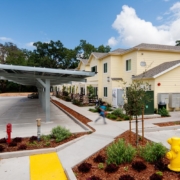
Solar panels covering parking spaces at Calistoga Family Apartmentshttps://flic.kr/p/CpXy7x The U.S. Department of Agriculture

Housing Assistance Council Receives Gift from Mackenzie Scott

Contact: Jennifer McAllister
(202) 842-8600
jennifer@ruralhome.org

Washington, DC, March 23, 2022 – The Housing Assistance Council (HAC) is pleased to announce a $7,000,000 gift from MacKenzie Scott, the largest private gift in HAC’s 50-year history. HAC will leverage this funding to establish and grow local organizations that build affordable housing in the nation’s poorest and most rural places. This gift ensures that more people and more communities will enjoy the benefits of American prosperity.

“HAC and our local partners work in small towns and rural communities to develop good quality housing that folks can afford,” said HAC CEO David Lipsetz. “Ms. Scott’s trust in our organization and encouragement to do more will help plenty of communities in need.”

“This gift helps HAC remain true to its mission,” said Maria Luisa Mercado, HAC’s Board Chair. “We will continue to be the voice for the poorest of the poor in the most rural places.”

About the Housing Assistance Council

The Housing Assistance Council (HAC) is a national nonprofit that supports affordable housing efforts throughout rural America. Since 1971, HAC has provided: below-market financing for affordable housing and community development; technical assistance and training for community-based organizations; research on life in rural places; and information for federal policy-makers on the impact of their work on rural places. To learn more, visit www.ruralhome.org.

###

HAC News: March 17, 2022

Vol. 51, No. 6

TOP STORIES

Final appropriations set for FY22.

An omnibus appropriations act establishes federal funding levels for fiscal year 2022, which ends on September 30, 2022.

  • Several USDA rural housing programs receive modest funding increases rather than the significant boosts for rental housing that were included in House and/or Senate versions. The bill expands eligibility for Section 542 vouchers, allows rental property owners to request 20-year Rental Assistance contracts, and continues to require that at least 10% of most USDA Rural Development programs, including most housing programs, be set aside for persistent poverty counties where the poverty rate has been at least 20% for 30 years. For more details, see HAC’s site.
  • Many HUD programs will receive more funding in fiscal year 2022 than in 2021, although the final figures generally fall below the highest increases proposed by the Biden administration, the House, or the Senate. The SHOP program was increased from $10 million in FY21 to $12.5 million – the first increase in the program since FY15. The spending agreement also encourages HUD to consider increasing SHOP’s current $15,000 per-unit cap. The measure includes funds for 25,000 new rental vouchers. For more details, see HAC’s site.

Census continues trends of undercounting some populations.

While there was not a statistically significant overcount or undercount for the total U.S. population, the Census Bureau recently announced that an analysis of the 2020 decennial census estimated national undercounts for renters and Black or African American, American Indian or Alaska Native, some other race, and Hispanic or Latino populations. A second study identified undercounts of young children under age 5 and working age men. Additional estimates of coverage will be released later this year, including estimates on housing units as well as for race and Hispanic origin.

RuralSTAT

There are approximately 15 million ‘Baby Boomers’ in rural America making them one of the largest age groups in many rural communities. But rural America is not a monolith and there are important dynamics in all rural age strata. For more information on Age and Aging in Rural America visit HAC’s website. Source: HAC tabulations of the Census Bureau’s 2014-2018 American Community Survey.

OPPORTUNITIES

USDA offers loan deferrals for rental preservation.

Owners or purchasers of rental properties with USDA Section 515 or 514 loans can apply by May 16 for 20-year payment deferrals, with the cash flow to be used for revitalization and preservation of the properties. This notice does not offer other forms of preservation assistance and no additional Section 521 Rental Assistance is available. Preregister here for an April 5 USDA workshop on this opportunity. For more information, contact Fallan Faulkner, USDA, 615-812-0050.

USDA-financed farmworker housing eligible for repair funding.

Section 514 loans and Section 516 grants are available for repair of off-farm labor housing with current Section 514/516 funding. Funds can be used either for substantial rehabilitation or for limited improvements, repairs, or modifications such as accessibility compliance and health and safety issues. USDA will hold a workshop for potential applicants on April 13. Pre-applications are due April 25. For more information, contact Jonathan Bell, USDA, 254-742-9764.

HAC schedules webinar on healthy homes innovations.

Building Smart and Building Healthy, to be held March 23, is the third in a series designed to share innovative solutions for affordable housing developers dealing with escalating prices and implementing additional regulations. This session will explore innovations in building/repairing healthy homes and their impact on inhabitants and their communities. For more information, contact HAC staff.

Placemaking resources to be launched.

Under a new cooperative agreement with USDA, the University of Kentucky will offer a digital toolkit to connect local leaders with technical assistance providers, funding organizations, planning guides, and other placemaking resources. USDA’s announcement describes placemaking as a collaborative planning and technical assistance process that helps rural community leaders develop plans to create quality places where people will want to live, work, visit, learn and explore. A virtual workshop is planned for May 23 and 24. For more information, sign up to receive updates from USDA. The Citizens’ Institute on Rural Design, a leadership initiative of the National Endowment for the Arts in partnership with HAC, offers additional rural placemaking and rural design resources.

FY23 budget to be released this month.

The Biden administration is expected to publish its funding request for fiscal year 2023 before the end of March. HAC will post an analysis of the budget and will hold a webinar, to be scheduled when the budget is released.

REGULATIONS AND FEDERAL AGENCIES

Violence Against Women Act expanded.

The FY22 omnibus appropriations bill includes provisions reauthorizing and expanding the Violence Against Women Act. The law, which – among numerous other provisions – protects tenants in federally subsidized rentals, previously applied to rental properties with direct or guaranteed financing from USDA, Low Income Housing Tax Credit developments, and most HUD-financed rentals. The new provisions make it applicable also to USDA’s Section 542 voucher program, the Housing Trust Fund, and housing programs for homeless veterans.

CFPB initiative to consider rural financial issues.

The Consumer Financial Protection Bureau has launched a new initiative on financial issues facing rural America, focusing initially on rural banking deserts, discriminatory and predatory agricultural credit, and manufactured housing. Rural residents are invited to share their stories on these and other issues through a link in CFPB’s blog post.

PUBLICATIONS AND MEDIA

Racial wealth gap solutions examined.

A recent series of articles published by Shelterforce attempts to “widen the lens on the racial wealth gap and what needs to be done about it.” The series, titled The Racial Wealth Gap – Moving to Systemic Solutions, argues that homeownership, business ownership, and higher education are all important, but “we must go beyond simply promoting more of each.” Articles include Wealth Building Won’t Work While Wealth Extraction Continues, Increased Homeownership Won’t Close the Racial Wealth Gap, Blaming Redlining Is Too Easy, Credit Where Credit Is Due: Expanding Access to Capital for BIPOC Developers, and more.

Both policy and technology can help address appraisal bias.

Reducing Bias in Home Appraisals: The Roles for Policy and Technology, a blog post from the Terner Center for Housing Innovation at UC Berkeley, explores appraisal bias’s impact on wealth creation in communities of color and how certain changes could reduce bias. The authors conclude that long-term change requires a combination of private sector technology innovations and policy changes related to identification of comparable properties, standardized approaches, and division of the appraisal process among individuals.

Local investments yield big changes.

Residents of Albion, a small Nebraska town, have come together to raise funds for a child care center, agriculture and education center, nursing home improvements, and more. Raising such funds is a significant challenge for many rural communities, but it has become easier over time in Albion because the town has many visible successes. An article in the Flatwater Free Press titled Albion, Investing in Itself, Shows How Small Towns Can Thrive notes that the area’s shortage of affordable housing remains on the list of issues to be addressed.

Newsletter for tenants focuses on Emergency Rental Assistance.

A new issue of Tenant Talk, subtitled Emergency Rental Assistance at All Angles, centers on the Emergency Rental Assistance program’s impact for tenants navigating the economic challenges of the pandemic. This National Low Income Housing Coalition newsletter is free online or by mail.

HAC

Need capital for your affordable housing project?

HAC’s loan fund provides low interest rate loans to support single- and multifamily affordable housing projects for low-income rural residents throughout the U.S. and territories. Capital is available for all types of affordable and mixed-income housing projects, including preservation, new development, farmworker, senior and veteran housing. HAC loan funds can be used for pre-development, site acquisition, site development, construction/rehabilitation and permanent financing. Contact HAC’s loan fund staff at hacloanfund@ruralhome.org, 202-842-8600.

Please note: HAC is not able to offer loans to individuals or families. Borrowers must be nonprofit or for-profit organizations or government entities (including tribes).

Some Rural Housing Programs Increase in Omnibus Funding Bill

Information on FY22 HUD funding

UPDATE March 11, 2022 – Both the House and Senate have passed the omnibus bill and President Biden will sign it into law, avoiding a government shutdown and funding federal programs through fiscal year 2022, which ends on September 30, 2022.

March 9, 2022 – Several USDA rural housing programs will receive modest funding increases in the omnibus appropriations bill for fiscal year 2022. The bill’s text, released overnight, does not include the significant boosts for rental housing that were included in House and/or Senate versions, instead compromising on smaller raises.

The bill expands eligibility for Section 542 vouchers, which have previously been available only to tenants living in Section 515 properties where the mortgage has been prepaid since September 30, 2005. This language is revised to apply to tenants in properties where Section 515 loans are “prepaid or otherwise paid off after September 30, 2005″ (emphasis added), potentially extending eligibility to tenants of every property that has left the portfolio since that date. USDA could set some limits on this expansion, as it has for tenants in properties with prepaid mortgages, who can obtain vouchers only if they live in the property on the date the prepayment occurs.

Other provisions in the final bill are retained from past appropriations measures. These include language allowing rental property owners to request 20-year Rental Assistance contracts, subject to appropriations. The bill also retains provisions calling for incentives to nonprofits to preserve rental housing, reuse of recaptured Section 521 Rental Assistance (RA), and use of recaptured RA from farmworker housing in other farmworker housing when possible.

The bill continues the 10-20-30 requirement that at least 10 percent of most USDA Rural Development programs, including most housing programs, be set aside for persistent poverty counties (counties where the poverty rate has been at least 20 percent for 30 years).

The omnibus establishes one new program related to rural housing and community development: an Institute for Rural Partnerships, which “shall dedicate resources to researching the causes and conditions of challenges facing rural areas, and develop community partnerships to address such challenges.” The institute will be housed at the University of Vermont and three land-grant universities to be selected by USDA. Each institution will receive a $10 million grant.

The continuing resolution that currently funds the federal government ends at midnight on March 11. The House is expected to pass the omnibus bill on March 9. Another continuing resolution, lasting just a few days, may be needed to give the Senate enough time to act.

USDA Rural Dev. Prog.

(dollars in millions)

FY20 Final Approp. FY21 Final Approp. Amer. Rescue Plan Act FY22 Admin. Budget FY22 House Bill FY22 Senate Bill FY22 Final
502 Single Fam. Direct $1,000 $1,000 $656.6a $1,500 $1,500 $1,250 $1,250
502 Single Family Guar. 24,000 24,000 30,000 30,000 30,000 30,000
504 VLI Repair Loans 28 28 18.3a 28 28 28 28
504 VLI Repair Grants 30 30 30 40 30 32
515 Rental Hsg. Direct Lns. 40 40 40 40 92 50
514 Farm Labor Hsg. Lns. 28 28 28 28 28 28
516 Farm Labor Hsg. Grts. 10 10 10 15 10 10
521 Rental Assistance 1,375 1,410 100 1,450 1,450 1,450 1,450
523 Self-Help TA 31 31 32 32 32 32
533 Hsg. Prsrv. Grants 15 15 15 25 15 16
538 Rental Hsg. Guar. 230 230 230 230 250 250
Rental Prsrv. Demo. (MPR) 28 28 32 60 32 34
542 Rural Hsg. Vouchers 32 40 45 45 45 45
Rental Prsrv. TA 1 2 0 2 2 2
Rural Cmnty. Dev’t Init. 4 6 6 6 6 6

a. The American Rescue Plan Act of 2021 provides $39 million in budget authority to refinance Section 502 direct loans and Section 504 loans for homeowners impacted by the coronavirus pandemic. USDA expects this funding to generate $656.6 million in Section 502 direct loans and $18.3 million in Section 504 loans.


August 5, 2021 – The Senate Appropriations Committee passed its FY22 USDA funding bill on August 4. While the House bill proposes a substantial increase in funding for the Multifamily Preservation and Revitalization program, the Senate bill would increase Section 515 funding rather than MPR. The Senate bill suggests increases in some other programs, but most of its figures are lower than the House’s.

The Senate bill would retain a provision in FY21 appropriations law, dropped by the administration’s budget and the House, that allows rental property owners to request 20-year terms for Rental Assistance contracts, subject to annual appropriations. The Senate and House would both keep provisions calling for incentives to nonprofits to preserve rental housing, reuse of recaptured Rental Assistance (RA), and use of recaptured RA from farmworker housing in other farmworker housing when possible, although those were left out of the administration’s budget request.

July 27, 2021 – The House passed H.R. 4502, a “minibus” package of seven appropriations bills, including USDA’s (see table below) and HUD’s.

July 1, 2021 – The full House Appropriations Committee approved its FY22 USDA funding bill on June 30, including increases in some rural housing programs as described below. The bill will be considered later this summer by the full House. The Senate has not yet released a proposal.

The House committee also released its report on the bill, providing additional information and directives from the committee, including a paragraph about farmworker housing.

Farm Labor Housing.—The Committee encourages USDA to explore opportunities to leverage its resources including its Food and Nutrition Programs, Community Facilities Programs, Housing Preservation Grants, and other programs, and to create partnerships with the Department of Labor’s Farmworker Housing outreach and technical assistance program, Health Resources and Services Administration’s Health Center Program, and the Administration for Children and Families Migrant and Seasonal Head Start Program, to coordinate and align resources to address the housing, nutrition and healthcare needs of this vulnerable population of essential workers who play a critical role in America’s food security. The Committee further encourages USDA to explore including service coordinators as an allowable expenditure for farm labor housing projects.

June 24, 2021 – As congressional action begins for fiscal year 2022 federal funding, the House Appropriations Committee has released a bill proposing increases in several of USDA’s rural housing programs.

Like the administration’s budget, the House bill would raise funding for Section 502 direct and guaranteed mortgage loans, Rental Assistance, and self-help housing. While the budget would increase the Multifamily Preservation and Revitalization (MPR) program to $32 million from $28 million in FY21, the House bill would provide a far larger boost, to $65 million. The House would also grow the Section 504 grant program for elderly low-income homeowners and the Section 533 Housing Preservation Grants program.

The House bill retains several provisions that are in current appropriations law but were dropped in the administration’s budget. These call for incentives to nonprofits to preserve rental housing, reuse of recaptured Rental Assistance (RA), and use of recaptured RA from farmworker housing in other farmworker housing when possible. Like the budget, however, it eliminates a provision from the FY20 and FY21 appropriations laws that allowed property owners to request RA contracts with 20-year terms.

The House Agriculture Appropriations Subcommittee will review the draft bill at a mark-up on June 25, 2021. The full House Appropriations Committee will consider it on June 30. The Senate has not yet begun its appropriations process.


USDA Rural Dev. Prog.

(dollars in millions)

FY20 Final Approp. FY21 Final Approp. Amer. Rescue Plan Act FY22 Admin. Budget FY22 House Bill
502 Single Fam. Direct $1,000 $1,000 $656.6a $1,500 $1,500
502 Single Family Guar. 24,000 24,000 30,000 30,000
504 VLI Repair Loans 28 28 18.3a 28 28
504 VLI Repair Grants 30 30 30 c
515 Rental Hsg. Direct Lns. 40 40 40 40
514 Farm Labor Hsg. Lns. 28 28 28 b
516 Farm Labor Hsg. Grts. 10 10 10 b
521 Rental Assistance 1,375 1,410 100 1,450 1,450
523 Self-Help TA 31 31 32 32
533 Hsg. Prsrv. Grants 15 15 15 c
538 Rental Hsg. Guar. 230 230 230 230
Rental Prsrv. Demo. (MPR) 28 28 32 60
542 Rural Hsg. Vouchers 32 40 45 45
Rental Prsrv. TA 1 2 0 2
Rural Cmnty. Dev’t Init. 4 6 6 6

a. The American Rescue Plan Act of 2021 provides $39 million in budget authority to refinance Section 502 direct loans and Section 504 loans for homeowners impacted by the coronavirus pandemic. USDA expects this funding to generate $656.6 million in Section 502 direct loans and $18.3 million in Section 504 loans.

b. The House bill provides a total of $17.8 million in budget authority for the Section 514 and 516 farm labor housing programs. When the Appropriations Committee prepares a report on the bill, that document will state the program amounts.

c. The House bill provides a total of $65 million for Section 504 grants and Section 533 grants. When the Appropriations Committee prepares a report on the bill, that document will show how the total is to be divided between the two programs.


HUD Programs Slated for Funding Increases

Information on FY22 USDA funding

UPDATE March 11, 2022 – Both the House and Senate have passed the omnibus bill and President Biden will sign it into law, avoiding a government shutdown and funding federal programs through fiscal year 2022, which ends on September 30, 2022.

March 9, 2022 – Many HUD programs will receive more funding in fiscal year 2022 than in 2021 under the provisions of the omnibus appropriations bill released overnight. Generally, however, the final figures fall below the highest increases proposed by the Biden administration, the House, or the Senate.

The SHOP program was increased from $10 million in FY21 to $12.5 million – the first increase in the program since FY15. The spending agreement also encourages HUD to consider increasing the per-unit cap for the combined cost of land acquisition and infrastructure improvements under the SHOP program, which is currently $15,000 per unit.

The bill includes funds for 25,000 new rental vouchers, a step towards the 300,000 new vouchers that would have been provided by the Build Back Better Act.

The substantial increase in CDBG funding was driven nearly entirely by the return, after a 10-year absence, of $1.5 billion for the Economic Development Initiative for the purpose of funding Community Projects/Congressionally Directed Spending (popularly known as “earmarks”).

The continuing resolution that currently funds the federal government ends at midnight on March 11. The House is expected to pass the omnibus bill on March 9. Another continuing resolution, lasting just a few days, may be needed to give the Senate enough time to act.


HUD Program

(dollars in millions)

FY20 Final Approp. FY21 Final Approp. FY22 Admin. Budget FY22 House Bill FY22 Senate Bill FY22 Final
CDBG $3,425 $3,475 $3,770 $4,688 $4,190 $4,841
HOME 1,350 1,350 1,850 1,850 1,450 1,500
Self-Help Homeownshp. (SHOP) 10 10 10 15 15 12.5
Veterans Home Rehab 4 4 4 4 4
Tenant-Based Rental Asstnce. 23,874 25,778 30,442 29,216 27,719 27,370
    VASH setaside 40 40 20 50 50
    Tribal VASH 1 5 5 5 5 5
Project-Based Rental Asstnce. 12,570 13,465 14,060 14,010 13,970 13,940
Public Hsg. Capital Fund 2,870 2,942 3,678 3,718 3,794 3,388
Public Hsg. Operating Fund 4,549 4,864 4,917 4,922 5,044 5,064
Choice Neighbrhd. Initiative 175 200 250 400 200 350
Native Amer. Hsg. 825 825 1,000 950 1,000 1,002
Homeless Assistance Grants 2,777 3,000 3,500 3,420 3,260 3,213
Hsg. Opps. for Persons w/ AIDS 410 430 450 600 450 450
202 Hsg. for Elderly 793 855 928 1,033 956 1,033
811 Hsg. for Disabled 202 227 272 352 227 352
Fair Housing 70.3 72.6 85 85 85 85
Healthy Homes & Lead Haz. Cntl. 290 360 400 460 400 415
Housing Counseling 53 57.5 85.9 100 57.5 57.5

October 20, 2021 – The Senate Appropriations Committee has released nine proposed appropriations bills, including the Transportation-HUD bill, for the fiscal year that began on October 1. The committee would increase many programs above their FY21 funding levels, though generally it would not raise them to the figures proposed in the House bill. The Self-Help Homeownership Opportunity Program (SHOP) is an exception, set in both the House and Senate bills at $15 million rather than the $10 million it received in FY21. Native American housing would also receive more under the Senate bill than from the House. Details are provided in the table below.

Federal programs are currently funded through a continuing resolution that keeps them at FY21 levels. It will expire on December 3, 2021.


July 29, 2021 – The full House passed H.R. 4502, a “minibus” containing several FY22 appropriations bills, including the bills for both HUD and USDA.


July 16, 2021 – The House Appropriations Committee has approved the Transportation-HUD funding bill. It is expected to be considered by the full House as part of a “minibus” package of several FY22 appropriations bills, which will also include the Agriculture bill.


July, 2021 – On July 16, 2021 the House Appropriations Committee will consider a fiscal year 2022 funding bill for the Departments of Transportation and Housing and Urban Development. The bill was approved on July 12 by the T-HUD Appropriations Subcommittee.

The House bill would set funding levels for many HUD programs at or above the amounts requested in the President’s budget and would provide substantial increases above FY21 levels for almost all programs. Details are provided in the table below.


GET THE HAC NEWS!

Sign-up for HAC information products

SIGN UP HERE

Housing Assistance Council   |  1828 L Street. N.W., Suite 505, Washington, D.C. 20036
(202) 842-8600 (202) 347-3441 hac@ruralhome.org |

Board Portal

HAC is an equal opportunity provider, employer, and lender. | Civil Rights | Privacy