HAC Seeks Proposals for its 2025 Affordable Housing for Rural Veterans (AHRV) Initiative

HAC’s Affordable Housing for Rural Veterans (AHRV) Initiative supports local nonprofit housing development organizations that meet or help meet the affordable housing needs of veterans with low incomes in rural places. Grants typically range up to $30,000 per organization and must support bricks-and-mortar projects that assist low-income, elderly and/or disabled veterans with critical home repair, accessibility modifications, support homeless veterans, help veterans become homeowners, and/or secure affordable rental housing.

HAC’s AHRV Initiative is funded through the generous support of The Home Depot Foundation. Applications are due by 4:00PM (EST) on or before Tuesday, January 21, 2025. For more information, contact HAC staff, ahrv@ruralhome.org. No phone calls please. Program staff will be available to answer questions during the Grant Funding Opportunity HAC 2025 AHRV RFP Overview webinar on Wednesday, January 8, 2025, at 2PM (ET).

Download the Application Package: Application (WORD) | Application Guidelines

HUD Extends Foreclosure Moratoriums in Areas Devastated by Hurricanes Helene and Milton


WASHINGTON – Today, the U.S. Department of Housing and Urban Development’s (HUD) Federal Housing Administration (FHA) announced it is extending through April 11, 2025, its foreclosure moratoriums for FHA-insured Single Family Title II forward and Home Equity Conversion Mortgages in Presidentially Declared Major Disaster Areas (PDMDAs) declared as a result of this past summer’s Hurricanes Helene and Milton. This extension provides borrowers affected by these catastrophic events with additional time to access federal, state, or local housing resources; to consult with a HUD-approved housing counselor; and/or to rebuild their homes.

“When disaster strikes, we know that families and communities need not only resources, but time to recover,” said HUD Agency Head Adrianne Todman. “Today, by extending our foreclosure moratorium, we continue the Biden-Harris Administration’s efforts to help those affected by the catastrophic Hurricanes Helene and Milton to repair and rebuild their homes, communities, and lives.”

When Hurricanes Helene and Milton occurred, FHA implemented automatic 90-day foreclosure moratoriums that required mortgage servicers to halt the initiation or completion of all foreclosure actions in PDMDAs on the date that each disaster was declared. FHA is extending the foreclosure moratoriums for all Hurricanes Helene and Milton PDMDAs, regardless of their declaration date, through April 11, 2025. FHA is also extending the deadline dates for servicers to perform certain legal actions related to foreclosure for an additional 180 days following the end of the foreclosure moratoriums.

“Because the consecutive Hurricanes Helene and Milton caused a great deal of damage and disruption, FHA believes it is appropriate to extend our foreclosure moratoriums by 120 days,” said Federal Housing Commissioner Julia Gordon. “This extension will provide more time for homeowners to review a range of options with their mortgage servicer if they are unable to resume regular mortgage payments due to the impact of the disaster.”

Borrowers with FHA-insured mortgages located in Hurricanes Helen and Milton PDMDAs should contact their mortgage or loan servicer immediately for assistance. Multiple options are available for those who cannot resume their regular mortgage payments yet. Borrowers can also obtain additional assistance in the following ways:

  • Visit the FHA Disaster Relief site or call the FHA Resource Center at 1-800-304-9320 to learn more about disaster relief options.
  • Contact a HUD-approved housing counseling agency. These agencies have counselors available to assist those impacted by natural disasters in determining assistance needs and identifying available resources. Homeowners can find a HUD-approved housing counseling agency online or use HUD’s telephone look-up tool by calling (800) 569-4287. The telephone look-up tool includes access to information in more than 250 different languages. Borrowers do not have to have an FHA-insured mortgage to meet with a HUD-approved housing counseling agency. There is never a fee for foreclosure prevention counseling.
  • For borrowers whose homes are destroyed or damaged to an extent that requires reconstruction or complete replacement, contact an FHA-approved lender about FHA’s Section 203(h) program. This program provides 100 percent financing for eligible homeowners to rebuild their home or purchase a new one.
  • For borrowers seeking to purchase and/or repair a home that has been damaged, contact an FHA-approved lender about FHA’s Section 203(k) loan program. This program allows individuals to finance the purchase or refinance of a house, as well as the costs of repair or renovation, through a single mortgage.

HAC News: December 5, 2024

TOP STORIES

Nominees announced for USDA, HUD, OMB

President-elect Trump has nominated Brooke Rollins to become Secretary of Agriculture, Scott Turner to lead HUD, and Russell Vought to direct OMB. All three worked in the first Trump administration. Rollins was a founder of the America First Policy Institute and serves as its President and CEO. Turner, a former NFL player, previously worked on Capitol Hill, served in the Texas legislature, and ran the first Trump White House’s Opportunity Zones efforts. He is currently the chair of the Center for Education Opportunity at America First. Vought was Trump’s director of OMB, then founded and led the Center for Renewing America. He wrote a chapter on the Executive Office of the President for Project 2025’s Mandate for Leadership book.

HAC article explores CDBG set-aside for colonias

Since 1991, a portion of funding for HUD’s Community Development Block Grant (CDBG) program has been set aside for colonias on the U.S.-Mexico border. Organizations and people that serve these communities have seen great impacts in places that were able to access these funds. HAC researchers Keith Wiley and Manda LaPorte explore the data, benefits, barriers, and recommendations from experts in the field in a recent publication in HUD’s Cityscape journal.

RuralSTAT

Housing received about 20% of the CDBG nonentitlement setaside for colonias from 2014 through 2023. A majority of the setaside’s dollars, about 57%, were awarded for use on water/sewer treatment facilities. Source: HAC tabulations of HUD data, Cityscape.

OPPORTUNITIES

USDA launches pilot program to speed home repair

USDA has started a new pilot under its Section 504 home repair loan and grant program. To reduce the time before repairs begin, which may be especially important after disasters, the pilot allows homeowners to use Section 504 funds to pay for construction materials before they are delivered. USDA chose 25 states and U.S. territories to participate and expects the pilot to be in effect through 2026.

Guide helps Veterans use VA home modification programs

A Veterans Home Benefits Guide from AARP is intended to help navigate VA’s home modification grants and related programs. The guide is designed to help determine what home modifications may apply, explain the benefits offered by VA and other organizations, understand how to apply, and get (no-cost) help from certified Veterans’ representatives.

Public-facing arts projects to be funded in Central Appalachia

Mid Atlantic Arts offers Central Appalachia Living Traditions Experiences grants of $1,000 to $10,000 for public-facing projects and events that bring community members together around traditional arts and cultural knowledge. Eligible applicants are nonprofit organizations, state and local governments, Tribes, and individual artists/practitioners who live or are based in an Appalachian Regional Commission-designated county in Ohio, Virginia, or West Virginia. Apply by March 10.

REGULATIONS AND FEDERAL AGENCIES

Simple transfer pilot for rental preservation extended, Section 514 properties added

USDA’s pilot program for simple transfers of rental properties is extended through December 9, 2025. The agency is making some changes to the pilot, including broadening it to include Section 514 farmworker housing properties.

Self-help technical assistance revisions proposed

USDA proposes changes in the regulations governing its Section 523 program, which funds the organizations that run local self-help housing efforts. Comments are due February 3.

Fannie Mae and Freddie Mac set plans to address housing needs

On November 25, the Federal Housing Finance Agency released new three-year plans by Fannie Mae and Freddie Mac under two separate sets of requirements. Their 2025-2027 Duty to Serve Underserved Markets Plans seek to improve access to financing for rural housing, affordable housing preservation, and manufactured housing. Their 2025-2027 Equitable Housing Finance Plans are intended to provide housing opportunities for homeowners and renters in all communities. To meet its duty to serve rural markets, Freddie Mac’s activities will include six “Develop the Developer” academies to help build rural development capacity. Fannie Mae will focus on enabling rural Community Development Financial Institutions to access secondary markets.

Court decisions suspend parts of new H-2A farmworker rule

Federal courts in Mississippi and Kentucky have issued orders in two separate lawsuits challenging the Labor Department’s recent regulations aimed at protecting farmworkers with H-2A visas. The Mississippi court suspended implementation of parts of the regulations. Its order applies to the entire country but is effective only while the lawsuit continues. The Kentucky court’s order is final and covers more of the regulations’ provisions, but applies only in Alabama, Kentucky, Ohio, and West Virginia. The Labor Department has not yet announced what it will do in response to the rulings.

HUD releases rent adjustment factors

HUD’s FY25 Annual Adjustment Factors will apply to some Section 8 properties/units’ contract rents when the contracts are renewed during this fiscal year.

Multifamily and community facilities regulations updated

Revisions to USDA’s multifamily housing and community facilities regulations will be published on December 6, updating the language related to audits and financial statements to align with revisions adopted by the Office of Management and Budget.

PUBLICATIONS AND MEDIA

Report addresses barriers to Tribal use of federal funds

Tribal Issues: Barriers to Access to Federal Assistance, a new “snapshot” report from the Government Accountability Office, reviews GAO’s past findings and recommendations on the subject and is summarized in a blog post. Identified challenges include capacity limitations, financial constraints, limited agency communication, Tribes’ remoteness, federal agencies’ limited awareness of Tribal traditions and cultures, and some common program characteristics. The snapshot includes information about what federal agencies have done to help address these barriers.

Black-white homeownership disparities continue

“Black homeownership is hampered by a mortgage finance system that continues to discriminate,” states the National Association of Real Estate Brokers in 2024 State of Housing in Black America: National Leadership is Essential to Increase Black Homeownership. In 2023, the homeownership rate was 45.7% for Black households and 74.3% for white households. The report examines disparities in mortgage applications, interest rates, appraised values, wages and wealth, and the impacts of climate change.

Record number of households cost burdened in 2023

Recently released 2023 American Community Survey data shows record high numbers of cost-burdened households, according to the Joint Center for Housing Studies at Harvard University. Fifty percent of U.S. renters and 24% of homeowners were cost burdened (paid 30% or more of income for their housing). Rates were highest among those with the lowest incomes: 74% for owners and 83% for renters with incomes under $30,000. Cost burden rates were also generally higher for people of color than for white people. JCHS’s analysis did not include a geographic breakdown.

Housing shortage calculations examined

A Brookings Institution brief looks at reasons for differences in recent estimates of the U.S. housing supply shortfall, which range from 1.5 to 5.5 million units. Make It Count: Measuring Our Housing Supply Shortage presents a preferred methodology that calculates a shortage of 4.9 million units at the end of 2023. The researchers note the importance of adapting the methodology to estimate housing shortages at the local level, as well as for different income levels because housing for lower-income households is likely to be in particularly short supply.

Rental housing preservation challenges are growing

Picture of Preservation 2024, published by the Public and Affordable Housing Research Corporation and the National Low Income Housing Coalition, uses data from the National Housing Preservation Database to characterize the federally assisted housing stock and document its preservation risks. The research covers units assisted by USDA’s multifamily programs as well as the Low-Income Housing Tax Credit and numerous HUD programs. It identifies three types of preservation risks – exit, depreciation, and appropriations risks – and calculates that exit risk is growing across the federally assisted housing stock. Staff from NLIHC and PAHRC will present their findings in a webinar on December 11.

Kansas seeks to increase affordable rural housing production

A Kansas Reflector article titled Rural Kansas Needs Thousands of Homes per Year to Address Shortage, Lawmakers Hear describes efforts in the state legislature to address a shortage of affordable housing. Kansas is already providing tax credits and investment incentives. Legislators are considering additional solutions such as giving localities more zoning flexibility, helping homebuilders recoup some costs, and supporting community land trusts.

Brief covers combining mental health and substance use services

The Substance Abuse and Mental Health Administration’s new issue brief, Co-Occurring Mental Health and Substance Use Services, highlights the importance of evidence-based holistic care for the 21.5 million adults living with both mental illnesses and substance use disorders, including access to stable and safe housing. It encourages state agencies and providers to collaborate on joint initiatives, making service delivery more efficient and accessible.

HAC

HAC is hiring

HAC job listings and application links are available on our website.

Need capital for your affordable housing project?

HAC’s loan fund provides low interest rate loans to support single- and multifamily affordable housing projects for low-income rural residents throughout the U.S. and territories. Capital is available for all types of affordable and mixed-income housing projects, including preservation, new development, farmworker, senior and veteran housing. HAC loan funds can be used for pre-development, site acquisition, site development, construction/rehabilitation and permanent financing. Contact HAC’s loan fund staff at hacloanfund@ruralhome.org, 202-842-8600.

Please note: HAC is not able to offer loans to individuals or families. Borrowers must be nonprofit or for-profit organizations or government entities (including Tribes).

Want to reprint a HAC News item?

Please credit the HAC News and provide a link to HAC’s website. Thank you!
HAC News: November 21, 2024

TOP STORIES

Election results show urban-rural gap narrowed, Lipsetz says

In the recent election, HAC President and CEO David Lipsetz points out, millions of suburban and urban Americans joined rural voters to send a message that the current economy is failing them. He suggests there may now be an opportunity for progress toward an American future where working families in every geography have an opportunity not just to survive, but to get ahead. HAC stands ready to share our expertise with the Trump Administration and 119th Congress to ensure that rural communities fully benefit from efforts to address the current housing crunch.

White House asks for disaster aid

The administration has asked Congress to provide almost $100 billion to help with recovery from Hurricanes Helene and Milton and other disasters. President Biden requests $2 billion for the Small Business Administration’s disaster loan program – which supports housing repair and other needs as well as small businesses – because it has used all its funding. He seeks $40 billion for FEMA’s Disaster Relief Fund and $12 billion for HUD’s Community Development Block Grant Disaster Recovery program. A Senate Appropriations Committee hearing on November 20 reviewed current disaster funding needs in more detail.

Government funding likely to be extended beyond December 20

When FY25 began October 1, federal government appropriations were extended at FY24 levels through December 20. It seems likely that the lame duck 118th Congress will adopt another continuing resolution to renew current funding levels until sometime in March, allowing the incoming 119th Congress to set final funding for FY25. A CR lasting to the end of FY25 is another possibility.

Senate Farm Bill introduced

Senate Agriculture Committee Chair Debbie Stabenow (D-MI) has released the full text of her Farm Bill proposal in an effort to prompt movement on the bill in the last few weeks of the 118th Congress. She had released a framework for the bill in May, but the newly released text includes several concessions to encourage compromise with Senate Republicans. Introduced as S. 5335, the new proposal continues to include the provisions of the Rural Partnerships and Prosperity Act, a rural capacity building initiative that HAC has supported. It is still unlikely that Congress will pass a Farm Bill before the December 31 deadline when key commodity programs start to expire, making another extension highly likely and pushing development of a full Farm Bill into the next Congress when Republicans will control both the House and Senate.

Project 2025’s housing positions summarized

During his campaign, President-elect Trump said that Mandate for Leadership: The Conservative Promise 2025, published by Project 2025, did not represent his platform. After the election, Axios collected comments by some of his allies stating that this document is their agenda for Trump’s second term. HAC has posted a summary of the document’s positions on topics relevant to rural housing.

RuralSTAT

In 2010, there were 439 counties outside metro areas with high elderly populations (20% or more of residents at age 65 or older). Between 2010 and 2023, the number nearly tripled to 1,294 counties. Only two counties moved from older age to younger age status. Source: Economic Research Service, Rural America at a Glance: 2024 Edition.

OPPORTUNITIES

New Greenhouse Gas Reduction Fund grants available

Adding to the opportunities summarized in the October 24 HAC News, Climate United is offering pre-development grants to support clean energy projects in Native communities. Nonprofits, Tribes, state and local government entities, and institutions of higher education are eligible. Projects should be in the pre-construction stages and can address clean energy, energy efficiency, clean transportation, affordable and sustainable housing, workforce development, remediation of water infrastructure, or pollution mitigation. The deadline is January 10. A webinar about this application round is scheduled for December 6. Additional rounds in 2025 will focus on other underserved markets.

The Coalition for Green Capital is now accepting proposals from clean energy developers, commercial partners, community lenders, and financial investors including private credit and equity firms. Housing is not one of CGC’s primary focuses. CGC will provide loans, loan guarantees, credit enhancements, equity investments, and other financing types directly to projects and also to financial intermediaries. It aims to make at least 2% of its investments on Tribal lands and 20% in rural communities. It has not set a deadline and will accept proposals indefinitely.

Energy funding can serve off-grid homes

Nonprofits, for-profits, state and local governments, Tribes, and others can submit concept papers by February 27 for the Department of Energy’s Energy Improvements in Rural or Remote Areas program, which serves communities with populations under 10,000. Funds cannot be used for weatherization-only projects, but eligible clean energy projects do include provision of isolated microgrids in remote areas or service to unelectrified homes or community buildings.

USDA posts information about rental preservation funding

Presentation slides and a Q&A document are now available online from USDA’s October 17 webinar on its open funding opportunity for Multifamily Housing Preservation and Revitalization funds and Section 515 loans. The agency will continue to update the Q&A post as additional questions are received.

REGULATIONS AND FEDERAL AGENCIES

EPA sets new lead-based paint dust levels

EPA does not require property owners or occupants to evaluate their property for lead-based paint hazards or to take control actions, but if an activity such as an abatement is performed, then EPA’s regulations provide requirements for doing so. A new final rule, effective January 13, establishes lead-based paint dust levels for reporting and action. It makes other changes as well, including in terminology and the definition of target housing.

Regulations updated on using federal property to assist homeless

Title V of the McKinney-Vento Homeless Assistance Act makes suitable unused or surplus federal real properties available to states, local government agencies, and nonprofits for use to assist people experiencing homelessness. A new rule updates the program for the first time since 1991.

FHA revises flood risk management for new construction

Updated flood risk management standards for newly constructed homes with mortgages insured by the Federal Housing Administration are provided in FHA Mortgagee Letter 2024-20. The changes implement a final rule published in April. Manufactured homes are not covered by this standard.

HUD updates public housing Faircloth-to-RAD program

HUD describes Restore-Rebuild, formerly called Faircloth-to-RAD, as a streamlined process to combine public housing mixed finance development and a Rental Assistance Demonstration (RAD) conversion in an integrated transaction. Updated guidance and tools are posted on a new program website.

PUBLICATIONS AND MEDIA

Literature review examines possible impact of large-scale deportations on agriculture and economy

The Economic Impact on Citizens and Authorized Immigrants of Mass Deportation, published by the Carsey School of Public Policy at the University of New Hampshire, summarizes studies considering the possible effects on agriculture, other industries, and the U.S. economy at large if large numbers of undocumented residents were deported. (Carsey notes there is little research about the impact on deported people themselves.) Because most unauthorized people in the U.S. work, researchers found that the U.S. economy would “noticeably contract” without their contributions. As a result, work opportunities and wages for native-born workers would fall and tax revenues would decline. As domestic production of goods and services dropped, inflation would increase.

Veteran homelessness drops

Veteran homelessness has dropped to its lowest level on record since the annual Point-in-Time count started gathering this data in 2009, the U.S. Interagency Council on Homelessness, HUD, and VA announced. Between January 2023 and January 2024, the number of veterans experiencing any form of homelessness dropped by 7.5% from 35,574 to 32,882. For unsheltered veterans, the number dropped by 10.7% from 15,507 to 13,851. HUD expects to publish the 2024 PIT data later this year.

Guide covers access to behavioral health services for people experiencing homelessness

The Substance Abuse and Mental Health Services Administration’s guide, Expanding Access to and Use of Behavioral Health Services for People Experiencing Homelessness, highlights trauma-informed strategies for housing providers and behavioral health practitioners to conduct outreach with persons experiencing homelessness and seeking stable housing and sustained recovery.

Improved oversight and enforcement of H-2A farmworker visas recommended

A Government Accountability Office report, H-2A Visa Program: Agencies Should Take Additional Steps to Improve Oversight and Enforcement, examines trends in the H-2A farmworker visa program, federal agencies’ processing of employer applications, and investigation of employer violations of program requirements. The study notes that from FY18 through FY23, 84% of the Labor Department’s employer investigations found one or more violations. The most common violations (42%) related to pay, while 30% involved transportation, and other subjects including housing accounted for 28%.

HAC

CIRD workshop plans park revitalization

Over the last year and a half, the Citizens’ Institute on Rural Design has helped 25 rural communities tackle their place-based design challenges in arenas from farmworker housing to educational trail developments. The final design workshop of the 2023-2024 CIRD cohort took place in September in Dublin, Texas. CIRD worked with the Dublin Public Library, park staff, city officials, and others on design concepts to revitalize an existing park pavilion and parkland to create a functional, accessible park for all.

HAC is hiring

HAC job listings and application links are available on our website.

Need capital for your affordable housing project?

HAC’s loan fund provides low interest rate loans to support single- and multifamily affordable housing projects for low-income rural residents throughout the U.S. and territories. Capital is available for all types of affordable and mixed-income housing projects, including preservation, new development, farmworker, senior and veteran housing. HAC loan funds can be used for pre-development, site acquisition, site development, construction/rehabilitation and permanent financing. Contact HAC’s loan fund staff at hacloanfund@ruralhome.org, 202-842-8600.

Please note: HAC is not able to offer loans to individuals or families. Borrowers must be nonprofit or for-profit organizations or government entities (including Tribes).

Want to reprint a HAC News item?

Please credit the HAC News and provide a link to HAC’s website. Thank you!
Post-Election Insights: A Hope for New Opportunity for Rural Housing

On November 5, a majority of American voters returned Donald Trump to the White House, along with a Republican majority in the Senate and—it now seems likely—the House of Representatives. Rural voters were a big part of his constituency. In fact, rural America gave President Trump more votes than urban America gave Vice President Harris.

The Housing Assistance Council is one of the only national housing organizations that focuses 100% of our work on small towns and rural places. All HAC loans, research reports, training programs and policy work are intended to help rural American communities address their affordable housing needs. So as you might guess, the election results prompted plenty of calls from friends in the housing industry asking versions of the same question, “Have rural and urban drifted further apart?” It may surprise you that my answer is an emphatic, “Nope, the gap just narrowed.”

Initial post-election analysis points to the economy as the decisive issue. Millions of suburban and urban Americans joined rural voters to send a message that the current economy is failing them. This is a familiar refrain for those of us who have spent years working in rural America. While the country is undoubtedly deeply divided on many fronts, perhaps this broader expression of economic pain provides an opportunity for progress toward an American future where working families in every geography have an opportunity not just to survive, but to get ahead.

Notably, because high housing costs are at the center of so many families’ economic struggles, for the first time in recent memory, housing took center stage throughout the campaign. This included an awareness that rural families earning rural wages can’t afford homes in their own hometowns. The day before the election I authored an op-ed in HousingWire that offered a set of bipartisan housing policy initiatives that would address the unique shape of the housing crisis in rural America.

With roots deep in rural communities, HAC has over 50 years’ experience providing elected officials data on rural conditions and nonpartisan analysis of public policies. We stand ready to share our expertise with the Trump Administration and 119th Congress to ensure that rural communities fully benefit from efforts to address the current housing crunch. The White House and Congress have the tools to reverse our current course. Homeownership and rental markets can be turned to meet the needs of ordinary Americans. Indeed, our nation’s history includes numerous examples in which the federal government boldly responded to housing crises with game-changing legislation, uniformly enacted on a bipartisan basis, from the National Housing Acts of 1934 and 1949 to the creation of the Low-Income Housing Tax Credit.

So with a broader voicing of economic discontent across rural, suburban and urban voters in this election, I expect the calls for changes to our economy and our housing markets will only grow louder. As we love to do at HAC, let me close with a couple of maps to illustrate the issue at hand. The map on the left is 1980. The one on the right is 2021. You can see the economy of the last forty years has left few places in which local wages allow local families to afford a place to live.

In fellowship,
David Lipsetz, President & CEO
Housing Assistance Council

HAC News: November 7, 2024

TOP STORIES

Lame duck Congress to reconvene November 12

When members of the 118th Congress return to work next week they will face a continuing resolution that expires December 20, a need for significant disaster recovery funding, and an expired Farm Bill. One possible outcome is a supplemental disaster appropriations bill that also extends the CR for FY25 funding to March, after the next Congress is seated.

At press time, control of the House in the 119th Congress has not yet been determined, but Donald Trump’s reelection and a Republican majority in the Senate can be expected to lead to changes in federal housing and rural development policy.

Control of key Senate committees will change. Sen. John Boozman (R-AR) is expected to become chair of the Senate Agriculture Committee, with Sen. Amy Klobuchar (D-MN) becoming the top Democrat. Sen. Tim Scott (R-SC) is in line to chair the Banking Committee, which has jurisdiction over housing programs. Sen. Scott has been rumored as a candidate for President-elect Trump’s cabinet or another senior political appointment, in which case Sen. Mike Crapo (R-WY) would chair the committee. With Sen. Sherrod Brown (D-OH) having lost his seat, next in line to become ranking member is Sen. Jack Reed (D-RI), although he is unlikely to give up his Ranking Member position on the Armed Services Committee. Sen. Mark Warner (D-VA) is next in seniority, but would also be required to give up a coveted Ranking Member position on the Intelligence Committee; if he chose not to do so, Sen. Elizabeth Warren (D-MA) is next in line.

HAC policy recommendations highlighted by HousingWire

It’s Time to Address Rural America’s Housing Crisis, an opinion piece by HAC President and CEO David Lipsetz, describes three steps federal policymakers can take to address the misalignment between rural needs and federal housing aid: craft tax policy that accounts for the economics of rural America’s housing markets, empower USDA to more forcefully shape the next generation of housing policy, and streamline federal housing programs and grow rural communities’ capacity to use them.

November honors Native Americans, veterans, and military families

November is both National Native American Heritage Month and National Veterans and Military Families Month.

RuralSTAT

Approximately 53% of Native Americans live in rural communities. Source: HAC tabulations of the U.S. Census Bureau’s 2020 P.L. 94-171 Redistricting Data.

REGULATIONS AND FEDERAL AGENCIES

Recorded deed restrictions proposed to keep Section 538 properties affordable

Rental properties with mortgages guaranteed under USDA’s Section 538 program are required to remain affordable for the original term of the mortgage. If a mortgage is prepaid and no separate deed restriction was recorded, USDA has no way to enforce the affordability requirement. A proposed regulation would require recordation of a separate deed restriction stating that the housing must remain available for occupancy by low- and moderate-income households for the original term of the guaranteed loan. Comments are due January 6, 2025.

Federal Home Loan Bank Affordable Housing Program simplified for rentals

A new bulletin from the Federal Housing Finance Agency is intended to make it easier for project sponsors to apply for grants or subsidized advances from the Federal Home Loan Banks’ Affordable Housing Program to develop rental housing. Advisory Bulletin 2024-05: Affordable Housing Program: Determining the Need for Affordable Housing Program Subsidy in Rental Projects addresses feedback from program users regarding subsidy determinations and compliance burdens.

IRS requests input on regulations for energy efficient home improvement credit

The Section 25C energy efficient home improvement credit, as modified by the Inflation Reduction Act of 2022, allows an individual taxpayer to receive a credit for the taxable year equal to 30% of the cost of qualified energy efficiency improvements, residential energy property expenditures, and home energy audits. The IRS has proposed rules for manufacturers to register to be qualified manufacturers and rules for taxpayers to calculate the credit. Comments are due December 24. Requests to speak at a public hearing on January 21 are also due December 24.

Treasury issues National Strategy for Financial Inclusion

The Treasury Department has released a National Strategy for Financial Inclusion in the United States with recommendations for policymakers, industry, employers, and community organizations to advance consumer access to safe financial products and services and strengthen financial security. The strategy recognizes rural residents as among those who are underserved by the country’s current financial system.

National Flood Insurance premiums can now be paid monthly

FEMA has revised the regulations for the National Flood Insurance Program to offer NFIP policyholders the option of paying their annual flood insurance premium in monthly installments.

PUBLICATIONS AND MEDIA

U.S. underproduced housing by 3.85 million homes in 2022

2024 Housing Underproduction in the U.S., a study from Up for Growth, examines the gap between housing and need at all income levels. The research found that in 2022, for the first time in more than a decade, housing underproduction decreased by 50,000 homes. This slight improvement was driven by low interest rates and historic demand for housing as the effects of the coronavirus pandemic began to lessen. In 24 states, however, housing underproduction worsened between 2021 and 2022. The average U.S. state had a housing deficit of 75,000 homes.

Report considers policies for heirs’ property and wealth preservation

The Asset Funders Network released a new publication, Heirs’ Property: Policies to Preserve Wealth, with an accompanying state-specific Texas: Checklist of State and Local Legal Heirs’ Property Protections and a brief on the Impacts of Heirs’ Property on Homeowners in North Texas. These briefs highlight state and local policies that impact heirs’ property owners and present a checklist to inform planning for education and advocacy in municipalities.

Black/white wealth gap almost unchanged from 1992 to 2022, report shows

The Racial Wealth Gap 1992 to 2002, published by the National Community Reinvestment Coalition, reports that in 1992 median Black wealth was about 14% of median white wealth. In 2022, it was 15%, and the wealthiest 80% of Black households held less wealth than the median White household. The wealth of Black and Hispanic households is increasingly reliant on homeownership, NCRC reports, with insufficient liquid assets leaving their economic positions more fragile and more susceptible to market fluctuations.

Study shows broadband’s impact in rural places

The Center on Rural Innovation reports in Beyond Connectivity: The Role of Broadband in Rural Economic Growth and Resilience that higher broadband utilization (higher broadband adoption rates and a higher prevalence of small broadband service providers) improves the economic dynamism of rural areas. Rural communities that are better connected and have access to additional services that allow users to effectively leverage that connection see a more significant economic impact, while comparable underserved communities experience economic stagnation, even when comparing regions with the same demographics, economic conditions and poverty rates. The report includes closer looks at specific communities in Georgia, Minnesota, and Montana.

CIRD town manager receives award for economic and revitalization efforts

Luke Dyer, manager of the town of Van Buren, Maine, credits participation in the Citizen’s Institute on Rural Design’s Design Learning Cohort for spurring improvements in Van Buren. Dyer will be honored with the William F. King Jr. Downtown Champion Award on November 7 during Maine’s Downtown Conference. This award recognizes downtown revitalization efforts throughout the state.

HAC

HAC is hiring

HAC job listings and application links are available on our website.

Need capital for your affordable housing project?

HAC’s loan fund provides low interest rate loans to support single- and multifamily affordable housing projects for low-income rural residents throughout the U.S. and territories. Capital is available for all types of affordable and mixed-income housing projects, including preservation, new development, farmworker, senior and veteran housing. HAC loan funds can be used for pre-development, site acquisition, site development, construction/rehabilitation and permanent financing. Contact HAC’s loan fund staff at hacloanfund@ruralhome.org, 202-842-8600.

Please note: HAC is not able to offer loans to individuals or families. Borrowers must be nonprofit or for-profit organizations or government entities (including Tribes).

Want to reprint a HAC News item?

Please credit the HAC News and provide a link to HAC’s website. Thank you!

HAC News: October 24, 2024

TOP STORIES

Speculation grows on Cabinet appointees for next administration

Based on interviews with insiders and observers, Politico has compiled lists of potential nominees for Cabinet positions in a Harris or Trump administration. For USDA, Kamala Harris might choose current USDA Deputy Secretary Xochitl Torres Small, California Food and Agriculture Secretary Karen Bass, or current USDA head Tom Vilsack, Politico reports. Donald Trump’s USDA possibilities include Texas Agriculture Commissioner Sid Miller, Indiana agri-businessman Kip Tom, or former USDA official Ted McKinney.

Harris’s HUD pick could be current Acting Secretary Adrianne Todman, Rep. Barbara Lee (D-CA), or Assistant Secretary for Housing Julia Gordon. In a second Trump administration, HUD could be run by former Secretary Ben Carson, Sen. Tim Scott (R-SC), or former HUD official Brian Montgomery.

Farmworker advocates seek solutions after disasters

A recent Civil Eats article entitled How to Help Farmworkers Impacted by Hurricane Helene highlights the struggles that many farmworkers face during the disaster recovery process. From language barriers to documentation status, a variety of complex processes restrict their access to standard disaster recovery services and funds. Organizations like El Futuro Es Nuestro (It’s Our Future), a farmworker-led human rights organization based in North Carolina, work to provide resources.

RuralSTAT

In a continued high interest rate and supply-constrained market, USDA homeownership loan guarantees declined again in FY24. Between October 2023 and September 2024 USDA guaranteed 32,543 rural home loans from conventional lenders, down 14% from the previous fiscal year’s activity. Source: HAC tabulations of USDA data.

OPPORTUNITIES

Greenhouse Gas Reduction Fund distribution begins its second stage

Several months ago the Environmental Protection Agency announced recipients of funding from the three parts of its Greenhouse Gas Reduction Fund: the National Clean Investment Fund (NCIF), the Clean Communities Investment Accelerator (CCIA), and Solar for All. The intermediaries that received awards from EPA are now beginning to distribute funds to the next tier of recipients. Below, HAC summarizes information about the current status of those funding competitions for NCIF and CCIA. There are also 60 Solar for All funding recipients, including 49 state-level entities, six Tribes or Tribal consortiums, and five multistate entities.

Nat’l Clean Investment Fund awardees Availability
Climate United Fund No currently open competitive RFPs.
Coalition for Green Capital No currently open competitive RFPs. Accepting project information submissions.
Power Forward Communities Expects to launch programming in early 2025. RFPs currently open for single audit and tax services provider (deadline Nov. 13) and for website redesign and development (deadline Nov. 20).
Clean Communities Investment Accelerator awardees  
Appalachian Community Capital/Green Bank for Rural America ACC members and invited lenders serving the states hardest hit by Hurricane Helene can apply beginning Oct. 28. Rural community lenders nationwide can apply beginning Dec. 4.
Inclusiv For credit unions. Pre-qualification form will open Nov. 19. Full grant application will open in early 2025.
Justice Climate Fund Details not posted.
Native CDFI Network Funds will be available first to 63 previously committed lenders. Decision on opening to others will be made later.
Opportunity Finance Network Accepting applications from OFN members for two pilot programs: funding for capitalization or technical assistance for nonprofit financial institutions and CDFIs, and training for “nascent climate lenders.” Deadline Nov. 7. Multiple later funding rounds expected.

States creating home energy rebate programs

Federally funded Home Energy Rebate Programs are being developed in almost all states. They can include rebates for appliances, home electrification, and more. The U.S. Department of Energy’s website reports on progress in each state except South Dakota, which has opted not to participate.

Mortgage maturity dates corrected for preservation funding

A correction revises some dates in USDA’s recent funding notice for the Multifamily Preservation and Revitalization program and the Section 515 program. It seemed to include some provisions for properties with mortgages expiring before January 1, 2028 and others for mortgages expiring before January 1, 2027. The corrections change all the dates to 2028. The application deadline is still December 26, 2024.

Training offered for substance use disorder partnership building

Applications are due December 16 for a Reaching Rural: Advancing Collaborative Solutions cohort sponsored by a group of federal agencies, which will provide training for rural practitioners and cross-sector teams seeking to adopt and reimagine methods for addressing substance use disorders in their communities. After the one-year planning period, those who have built cross-sector partnerships can apply for implementation grants of up to $100,000 to launch projects.

Support available for innovative endeavors by those with lived experience of homelessness

People with lived experience of homelessness are eligible for support from the Susan G. Baker and Elizabeth Boyle Innovation Fund to help them pursue innovative professional and creative endeavors. The fund was established by the National Alliance to End Homelessness and is named for two of its co-founders. Applications are due December 30.

REGULATIONS AND FEDERAL AGENCIES

HUD publishes Buy America guidance for Tribes

HUD’s waiver of Build America, Buy America (BABA) requirements for Tribal recipients expired on September 30, so the law applies to funds obligated to Tribal recipients on or after October 1. HUD issued PIH Notice 2024-35 to provide guidance on BABA’s implementation by Tribes, Tribally Designated Housing Entities, Tribal entities, and the Department of Hawaiian Home Lands. The notice also includes sample language that can be used in contracts, subrecipient agreements, and other agreements. Implicitly acknowledging that BABA’s applicability to housing – for Tribal recipients and others – still has not been clarified, the notice says HUD will issue additional guidance and will provide training and updates. It lists Tribal programs that are exempt from BABA and others that “may” be subject to the law.

USDA RD posts first specific Buy America waiver request

Since 2022, USDA Rural Development has obtained some general waivers of Build America, Buy America requirements, and the agency recently posted its first waiver request for a specific project. USDA-funded work at McKenzie Memorial Hospital in Sandusky, MI includes a type of tile flooring not manufactured in the U.S. Comments are due October 30.

Farm labor housing regulation change adopted

USDA has adopted a regulatory provision proposed in September 2023, specifying grant agreement terms and periods of performance for the Section 514/516 Off-Farm Labor Housing program.

EVENTS

HUD sets webinars on new energy code requirements

HUD’s Energy Code Webinar Series in November and December will cover the requirements of the minimum energy efficiency standards adopted in April for some HUD and USDA programs. The changes will begin taking effect in November and will be phased in throughout 2025 and 2026. The upcoming webinars will address the updates, their overall requirements, compliance pathways, and ways to incorporate the required standards into projects and processes.

Heirs’ property webinar planned

The National Community Reinvestment Coalition will offer a webinar November 7 on Preserving Homeownership and Wealth Creation by Addressing Heirs’ Property and Tangled Titles. HAC researchers and Center for New York City Neighborhoods staff will present on heirs’ property in urban and rural areas, describing the risks these properties pose for long-term homeownership and the limits they place on family wealth building.

PUBLICATIONS AND MEDIA

HUD launches website for voucher holders and applicants

A new website designed specifically for HUD voucher holders and households that may need voucher assistance provides guidance for getting started with the voucher program, unit search tips, and a reminder of participant rights and responsibilities. HUD expects to update the site with videos and additional resources over the next few months.

Homeless elders’ needs reviewed

A recent Government Accountability Office report identifies specific challenges to meeting the housing and health needs of older adults (age 55 and up) experiencing homelessness. For example, in the limited supply of affordable housing it can be even more difficult to find accessibility features such as grab bars. Mobility limitations, functional impairments, and chronic conditions can be challenging to address in shelters. Home health care and personal care may be hard to provide for those transitioning into permanent housing. Additional barriers can be posed by unfair treatment or cultural insensitivity for older adults belonging to certain racial, ethnic, or other groups. GAO’s report, Homelessness: Actions to Help Better Address Older Adults’ Housing and Health Needs, describes efforts made to address the issues in selected urban, suburban, and rural areas.

HAC

HAC is hiring

HAC job listings and application links are available on our website.

Need capital for your affordable housing project?

HAC’s loan fund provides low interest rate loans to support single- and multifamily affordable housing projects for low-income rural residents throughout the U.S. and territories. Capital is available for all types of affordable and mixed-income housing projects, including preservation, new development, farmworker, senior and veteran housing. HAC loan funds can be used for pre-development, site acquisition, site development, construction/rehabilitation and permanent financing. Contact HAC’s loan fund staff at hacloanfund@ruralhome.org, 202-842-8600.

Please note: HAC is not able to offer loans to individuals or families. Borrowers must be nonprofit or for-profit organizations or government entities (including Tribes).

Want to reprint a HAC News item?

Please credit the HAC News and provide a link to HAC’s website. Thank you!

HAC News: October 10, 2024

TOP STORIES

Disaster recovery information available from HAC

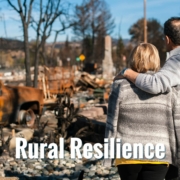
HAC has published disaster response guides for those affected by Hurricane Helene and Hurricane Milton. HAC’s Rural Resilience website offers tools for readiness, response, and recovery, including HAC’s detailed guide, Prepare Your Organization to Respond and Recover from Natural and Man-Made Disasters.

Lawsuit filed to expand freeze on new H-2A farmworker rule

A group of growers and others has filed a legal action challenging new regulations that add protections for farmworkers with H-2A visas. In August a similar suit resulted in a preliminary injunction that blocks implementation of the rule in 17 states. While that case proceeds, the new filing asks a different federal court to declare the regulations unconstitutional and says the plaintiffs will ask to expand the preliminary injunction.

October is Domestic Violence Awareness Month

HUD’s Office of Fair Housing reminds readers that domestic violence and harassment in housing are prohibited by the Fair Housing Act. Housing discrimination complaints can be filed here.

RuralSTAT

In 2021-22, 22% of crop workers interviewed for a Department of Labor survey lived in a dwelling defined as crowded. According to estimates from the U.S. Census Bureau’s American Community Survey, approximately 3.4% of households nationally are crowded. Source: U.S. Department of Labor, Findings from the National Agricultural Workers Survey (NAWS) 2021–2022: A Demographic and Employment Profile of United States Crop Workers and HAC tabulations of  2018-2022 American Community Survey data.

OPPORTUNITIES

AmeriCorps support and small grants available for disaster-impacted communities

SBP, a national nonprofit disaster recovery organization, offers assistance to locally based nonprofits. Its Disaster Recovery AmeriCorps Program assists impacted communities in long-term recovery and rebuilding efforts. November 1 is the deadline to apply for grants from two SBP programs to aid homeowners with low and moderate incomes. National Long Term Recovery Grants are for local long-term disaster recovery nonprofits providing rebuild services for presidentially declared disasters within the past four years. Preparedness and Resilience Micro Grants are for local nonprofits providing resources and support for individuals and community members at high risk for extreme weather or climate events.

Grants offered for community environmental justice projects

Eleven groups that are administering funds from EPA’s Environmental Justice Thriving Communities Grantmaking Program are beginning to offer pass-through subgrants to nonprofits, Tribal governments, local governments, and others in communities affected by environmental or public health issues. A wide variety of project types are eligible, including healthy homes efforts, small land purchases, testing, and surveying. Application processes and deadlines will vary among the 11 regional “Grantmakers,” most of which have not yet issued RFPs. One of them, the Environmental Protection Network, is collecting information about all 11 RFPs here.

REGULATIONS AND FEDERAL AGENCIES

USDA changes compliance date for HOTMA tenant income provisions

To be consistent with the deadlines HUD announced in September, USDA is extending full implementation of Housing Opportunity Through Modernization Act regulations. HOTMA requirements will apply to certifications of income for tenants in USDA-financed rental housing effective on or after July 1, 2025.

Manufactured housing pilot extended again

USDA is extending its manufactured housing pilot in the Section 502 direct and guaranteed programs until May 1, 2025 while it continues to work on a final rule that will make the pilot’s new flexibilities available nationwide. A proposed rule was published in August 2023.

Guidance offered on emergency pull cords in USDA properties

USDA does not require emergency call systems (often called pull cords) in rental units it finances, but where such systems are in place they must be operational. Systems that are not operational must be removed, according to new USDA guidance, which notes that they can give tenants a false sense of security.

Floodplain rule corrected

FEMA has issued a correction to a Federal Flood Risk Management Standard regulation published in July.

EVENTS

Register now to learn more about the Citizens’ Institute on Rural Design

Join CIRD online on October 24 for our 2023-2024 local design workshop showcase, titled CIRD’s Local Design Workshops: The Process Explained. CIRD is a leadership initiative of the National Endowment for the Arts in partnership with HAC. With support from a wide range of design, planning, and creative placemaking professionals, CIRD design workshops bring together local residents and local leaders from nonprofits, community organizations, and government to develop actionable solutions to specific design challenges. To learn more about CIRD’s workshop process from the perspective of our workshop communities, our design partners at TBD Studio, and others, register here for the showcase.

PUBLICATIONS AND MEDIA

Report provides national survey data on farmworkers

The Department of Labor has published its report on the 2021-2022 National Agricultural Workers Survey. While limited, the NAWS provides some insight into the characteristics of farmworkers in the United States. As one of the most impoverished groups in the nation, farmworkers continue to earn low wages with mean and median incomes in the $20,000-$24,999 range and experience working conditions that hinder their ability to access affordable housing.

Webinar looks at expanding rural development capacity

A recorded webinar titled Advancing Inclusive Development in Rural Towns explores efforts by the Brookings Institution and LISC to expand capacity and development in three rural Indiana towns. Leaders involved in this effort discuss increasing local involvement in policymaking, expanding local capacity, and improving access to local and regional resources to spur rural development.

New report considers accessory dwelling units for affordable housing

The Joint Center for Housing Studies of Harvard University and NeighborWorks America released a new report, Nonprofit Accessory Dwelling Unit (ADU) Programs as Affordable Housing Strategies, finding that ADUs fulfill a range of housing needs in rural, suburban, and urban areas. Regulations, zoning, and financing impact the provision of ADUs in some communities.

Podcast focuses on rural philanthropy

Funding Rural, a podcast now in its second season, features voices from across rural, remote, and Indigenous spaces who are working to bring change to the areas and communities they serve. The Daily Yonder recently posted an interview with podcast host Erin Borla.

American Housing Survey to begin collecting monthly data

The American Housing Survey, the country’s most comprehensive housing survey, is currently conducted every two years. Starting in May 2025, it will be run as a continuous operation with new data collected every month. Celebrating the AHS’s 50th anniversary this year, Census and HUD note that in 1973, there were about 76 million housing units in the U.S., compared to 145.3 million in 2023. The two agencies also released new housing data from the 2023 AHS.

HAC

HAC is hiring

HAC job listings and application links are available on our website.

Need capital for your affordable housing project?

HAC’s loan fund provides low interest rate loans to support single- and multifamily affordable housing projects for low-income rural residents throughout the U.S. and territories. Capital is available for all types of affordable and mixed-income housing projects, including preservation, new development, farmworker, senior and veteran housing. HAC loan funds can be used for pre-development, site acquisition, site development, construction/rehabilitation and permanent financing. Contact HAC’s loan fund staff at hacloanfund@ruralhome.org, 202-842-8600.

Please note: HAC is not able to offer loans to individuals or families. Borrowers must be nonprofit or for-profit organizations or government entities (including Tribes).

Want to reprint a HAC News item?

Please credit the HAC News and provide a link to HAC’s website. Thank you!

Hurricane Helene Disaster Guide

Hurricane Helene made an impact in northwestern Florida on Thursday night, September 26, 2024 as a Category 4 storm. The hurricane made its way through Florida’s Gulf Coast to Tennessee. There are reports of destruction, power outages, and flooding that reaches over 600 miles. HAC offers the following resources with information for communities and organizations dealing with loss and damage from Hurricane Helene: Rural Resilience in the Face of Disaster site and Disaster Response for Rural Communities Guide.

At President Biden’s direction this past weekend, the FEMA Administrator has begun to survey the damages with local and state officials in Florida, Georgia, North Carolina, and Tennessee. The President approved Major Disaster declarations for the states of Florida and North Carolina which allows survivors to immediately access funds and resources for their recovery. Emergency declarations were also stated for Florida, North Carolina, South Carolina, Tennessee, Georgia, Virginia, and Alabama. These emergency declarations allow FEMA to provide direct Federal support and other protective measures to affected states.

On Sunday, September 29, 2024, more than 3,300 rescue personnel were deployed across the Federal workforce. These resources are deployed to support relief efforts across the effected states and to address unmet needs. Though Hurricane Helene is no longer active, many are still without power and are in the process of seeking safety.

If you or your family has been affected by Hurricane Helene, or wish to help victims of the hurricane, organizations like All Hands and Hearts, The American Red Cross, and Americares all have resources available. If you are in need of emergency, transient housing, you can text SHELTER and your Zip Code to 43362 (4FEMA) to find where the shelter closest to you is located

Apply for FEMA Assistance by registering online at www.DisasterAssistance.gov. FEMA Disaster Assistance Helpline answers questions about the help offered by FEMA, how to apply for assistance, or the information in your account.

Toll-free helpline: 1-800-621-FEMA (3362) For hearing impaired callers only: 1-800-462-7585 (TTY) 1-800-621-3362 (Video Relay Service) Operators are multilingual and calls are answered seven days a week from 7 a.m. to 11 p.m. ET

American Red Cross Disaster Service: For referrals and updates on Red Cross shelter services in your area, locate a local Red Cross office through: https://www.redcross.org/find-help or by calling 1-800-RED CROSS (1-800-733-2767) The Red Cross helps disaster victims by providing safe shelter, hot meals, essential relief supplies, emotional support and health services like first aid. Trained Red Cross workers often meet one-on-one with families to develop individual plans and identify available resources to help aid recovery.

Watch “Preparing your Organization for Disaster: A Guide to Rural Resilience” Webinar

EMERGENCY MANAGEMENT AGENCIES

Alabama

Alabama Emergency Management Agency

Phone: 205-280-2200

https://ema.alabama.gov/contacts/

Georgia

Georgia Emergency Management and Homeland Security Agency

935 United Ave. SE

Atlanta, GA 30316-0055

Phone: 404-635-7200

https://gema.georgia.gov/locations

Florida

Florida Division of Emergency Management

2555 Shumard Oak Blvd.

Tallahassee, Florida 32399-2100

Phone: 850-815-4000

https://www.floridadisaster.org/

North Carolina

North Carolina Emergency Management

Phone: 919-825-2500

https://www.ncdps.gov/our-organization/emergency-management

Tennessee

TN Emergency Management Agency

Phone: 615-741-0001

https://www.tn.gov/tema.html

South Carolina

South Carolina Emergency Management Division

Phone: 803-737-8500

https://www.scemd.org/

Virginia

Virginia Department of Emergency Management

Phone: 804-267-7600

https://www.virginia.gov/agencies/department-of-emergency-management/

DEPARTMENT OF HOUSING AND URBAN DEVELOPMENT STATE FIELD OFFICES

Alabama

Birmingham Field Office

417 20th Street North, Suite 700
Birmingham, AL 35203

Phone: (205) 731-2630

Field Office Director: Kenneth E. Free

https://www.hud.gov/states/alabama/offices

Georgia

Atlanta Regional Office

Martin Luther King Jr. Federal Building (MLK FOB)
77 Forsyth Street SW
Atlanta, GA 30303

Phone: (404) 331-5136

Georgia Field Office Director: Shea Johnson

https://www.hud.gov/states/georgia/offices

Florida

Miami Field Office
Brickell Plaza Federal Building
909 SE First Avenue, Room 500
Miami, FL 33131-3028

Phone: (305) 536-4456

Acting Field Office Director: Tiffany Cobb

Jacksonville Field Office

Charles East Bennett Federal Building

400 West Bay Street, Suite 1015

Jacksonville, FL 32202

Phone: (904) 232-2627

Field Office Director: Alesia Scott-Ford

https://www.hud.gov/states/florida/offices

North Carolina

Greensboro Field Office

Asheville Building
1500 Pinecroft Road, Suite 401
Greensboro, NC 27407-3838

Phone: (336) 547-4000

Field Office Director: Lorenzo Claxton

https://www.hud.gov/states/north_carolina/offices


Tennessee

Knoxville Field Office

US Department of Housing and Urban Development
John J. Duncan Federal Building
710 Locust Street, Suite 300
Knoxville, TN 37902-2526

Phone: (865) 545-4370

Field Office Director: Walter N. Perry

https://www.hud.gov/states/tennessee/offices


South Carolina

Columbia Field Office
Strom Thurmond Federal Building
1835 Assembly Street, 13th Floor
Columbia, SC 29201-2480

Phone: (803) 765-5592

Field Office Director: Kristine G. Foye

https://www.hud.gov/states/south_carolina/offices

Virginia

Richmond Field Office

600 East Broad Street, 3rd Floor
Richmond, VA 23219-4920

Phone: (800) 842-2610

Field Office Director: Carrie S. Schmidt

https://www.hud.gov/states/virginia/offices

USDA RURAL DEVELOPMENT STATE OFFICES

Alabama

4121 Carmichael Road, Suite 601
Montgomery, AL 36106

Phone: 334-279-3400

https://www.rd.usda.gov/al

Georgia

355 East Hancock Avenue, Room 300

Athens, Ga 30601

Phone: 404- 635-7200

https://www.rd.usda.gov/ga/georgia-contacts

Florida

4500 NW 27th Avenue

Suite D-2

Gainesville, FL 32606

Phone: 352-338-3400

https://www.rd.usda.gov/fl-vi

North Carolina

4405 Bland Road, Suite 260

Raleigh, NC 27609

Phone: 919-873-2000

https://www.rd.usda.gov/nc

Tennessee

441 Donelson Pike, Suite 310
Nashville, TN 37214
Phone: 615-783-1300

https://www.rd.usda.gov/tn/tennessee-contacts

South Carolina

Strom Thurmond Federal Building

1835 Assembly Street, Room 1007

Columbia, SC 29201

Phone: 803-765-5163

https://www.rd.usda.gov/sc

Virginia

1606 Santa Rosa Road, Suite 238
Richmond, VA  23229
Phone: 804-287-1500

https://www.rd.usda.gov/va/virginia-contacts

DEPARTMENT OF HOUSING AND URBAN DEVELOPMENT STATE FIELD OFFICES

Alabama

Birmingham Field Office

417 20th Street North, Suite 700
Birmingham, AL 35203

Phone: (205) 731-2630

Field Office Director: Kenneth E. Free

https://www.hud.gov/states/alabama/offices

Georgia

Atlanta Regional Office

Martin Luther King Jr. Federal Building (MLK FOB)
77 Forsyth Street SW
Atlanta, GA 30303

Phone: (404) 331-5136

Georgia Field Office Director: Shea Johnson

https://www.hud.gov/states/georgia/offices

Florida

Miami Field Office
Brickell Plaza Federal Building
909 SE First Avenue, Room 500
Miami, FL 33131-3028

Phone: (305) 536-4456

Acting Field Office Director: Tiffany Cobb

Jacksonville Field Office

Charles East Bennett Federal Building

400 West Bay Street, Suite 1015

Jacksonville, FL 32202

Phone: (904) 232-2627

Field Office Director: Alesia Scott-Ford

https://www.hud.gov/states/florida/offices

North Carolina

Greensboro Field Office

Asheville Building
1500 Pinecroft Road, Suite 401
Greensboro, NC 27407-3838

Phone: (336) 547-4000

Field Office Director: Lorenzo Claxton

https://www.hud.gov/states/north_carolina/offices


Tennessee

Knoxville Field Office

US Department of Housing and Urban Development
John J. Duncan Federal Building
710 Locust Street, Suite 300
Knoxville, TN 37902-2526

Phone: (865) 545-4370

Field Office Director: Walter N. Perry

https://www.hud.gov/states/tennessee/offices


South Carolina

Columbia Field Office
Strom Thurmond Federal Building
1835 Assembly Street, 13th Floor
Columbia, SC 29201-2480

Phone: (803) 765-5592

Field Office Director: Kristine G. Foye

https://www.hud.gov/states/south_carolina/offices

Virginia

Richmond Field Office

600 East Broad Street, 3rd Floor
Richmond, VA 23219-4920

Phone: (800) 842-2610

Field Office Director: Carrie S. Schmidt

https://www.hud.gov/states/virginia/offices

HAC News: September 26, 2024

TOP STORIES

Government funding extended, shutdown avoided

Federal funding will last through December 20 under H.R. 9747, a continuing resolution that passed both houses of Congress on September 25 and is expected to be signed into law by President Biden. It extends most federal funding at FY24 levels, with “anomalies” – provisions that differ from a strict continuation of existing funding levels – for some items. It includes anomalies requested by the administration that give HUD flexibility to use unobligated Tenant Protection Vouchers carryover funding and also release some funds for USDA Community Facilities direct loans. It extends the authorizations for several expiring programs including the National Flood Insurance Program and VA aid for homeless veterans, though it does not cover Farm Bill programs. It does not provide supplemental disaster funding but does allow FEMA to access some added funds.

HUD, USDA, and others affirm commitment to Violence Against Women Act’s housing provisions

To commemorate the 30th anniversary of the Violence Against Women Act, federal agencies including HUD, USDA, VA, the Department of Justice, and the Treasury Department issued an interagency statement on VAWA’s housing provisions. The statement asserts the agencies are committed to preventing survivors of sexual assault, domestic violence, dating violence, and stalking from losing their housing or housing assistance, experiencing housing instability, or becoming at risk of homelessness due to the violence they have experienced.

Colonias study makes recommendations to Congress and USDA

The Government Accountability Office examined five HUD and USDA programs that target water/wastewater and housing aid to colonias (HUD’s CDBG program and USDA’s Water and Waste Facility Loans and Grants to Alleviate Health Risks; Individual Water and Wastewater Grants; Section 502 direct loans; and Section 504 home repair loans and grants). GAO’s report, Rural Development: Actions Needed to Improve Assistance to Southwest Border Communities Known as Colonias, noted that the agencies work to address some of the challenges to serving colonias, for example by offering technical assistance. It found, however, USDA did not consistently track data that would show whether the Section 502 and 504 programs were meeting their colonias setaside goals. Also, GAO estimated that almost 60% of colonias will likely be disqualified in the near future for the setasides in CDBG and USDA’s housing programs because they are located in the El Paso and McAllen metropolitan statistical areas where the population will grow to over 1 million. Those colonias will remain eligible for general funding from those programs, but GAO suggested Congress should raise the population cut-off limit for setaside eligibility.

RuralSTAT

From 2010 to 2020, the rural Hispanic population increased by roughly 1 million, or 19.7%. The overall rural population would have declined substantially during the decade if not for this growth in the Hispanic population. Source: HAC tabulations of the U.S. Census Bureau’s 2000 and 2010 Census of Population and Housing and 2020 P.L. 94-171 Redistricting Data.

OPPORTUNITIES

USDA offers funding for rental housing preservation

Loans and grants are available for owners and purchasers to preserve and improve existing Section 515 rental housing and off-farm Section 514/516 properties under the Multifamily Housing Preservation and Revitalization Demonstration (MPR) and Section 515 loan programs. USDA will set aside 10% of the funds for persistent poverty counties. Funds will also be set aside for Rural Economic Area Partnership (REAP) Zones in New York, North Dakota, and Vermont. Applicants must email USDA by December 16 to obtain application submission instructions and must apply by December 26. Workshops for potential applicants will be announced via GovDelivery notice (sign up here) and will be posted on USDA’s multifamily programs website. USDA is also offering funds for providers of technical assistance on rental preservation and farmworker housing development, with a November 18 deadline.

Fellowships will help young adults work in housing justice

Generation Housing Justice, a new initiative by the National Low Income Housing Coalition, aims to bring more young adults ages 18-24 into the housing justice movement by equipping 20 fellows with the knowledge and resources they need to successfully advocate for federal affordable housing solutions. Each fellow will receive a stipend of $1,000 upon successful completion of the program and travel support to attend NLIHC’s Housing Policy Forum in Washington, DC. People with lived experience of housing instability and/or homelessness are encouraged to apply. The deadline is November 1. For more information, contact outreach@nlihc.org or 202-507-7452.

Fair housing funding available

HUD’s Fair Housing Initiatives Program has funds available for nonprofit fair housing organizations under four separate funding notices: the Fair Housing Organizations Initiative (deadline November 19), Private Enforcement Initiative (deadline November 25), Education and Outreach Initiative (deadline November 19), and Education and Outreach Initiative – Test Coordinator Training (deadline November 19).

REGULATIONS AND FEDERAL AGENCIES

Revisions suggested for Section 502 guaranteed mortgage program

USDA’s Rural Housing Service proposes to amend its Section 502 single-family guarantee program regulations. Currently an applicant is ineligible if they have defaulted on an RHS loan at any time in the past, but this proposal would eliminate that consideration after seven years. It is also intended to clarify the requirements related to borrowers’ eligibility to refinance their current mortgages. Comments are due November 1.

USDA publishes guide to tenant recertifications

Processing Tenant Recertifications: A Guide for Multifamily Housing Owners and Management Companies identifies processes and requirements for owners and managers of USDA-financed rental housing. It explains recertification responsibilities, timeframes for notifying tenants, documentation requirements, and more.

HUD revises housing counseling rules

HUD is updating its regulations to allow housing counseling agencies to provide services in ways other than meeting in-person with clients, such as using virtual meeting tools. Counseling agencies that choose not to provide in-person services are required to refer clients to local providers that provide such services, when requested.

Interagency council adopts framework for preventing homelessness

Ending Homelessness Before It Starts: A Federal Homelessness Prevention Framework, was released September 23 by the U.S. Interagency Council on Homelessness. The framework is intended to help local, tribal, and state governments, nonprofits, funders, systems, providers, and advocates. It explains steps for developing a community-wide, cross-system approach to homelessness prevention, shares promising practices, and lists available federal resources. USICH has also launched a new blog series spotlighting local and federal efforts to prevent homelessness.

Comments requested on distributing lead hazard funds by formula

HUD seeks public input regarding the development of a formula to allocate Lead Hazard Reduction and Healthy Homes grants. Currently, these programs are required to hold funding competitions. HUD’s notice says the agency believes a formula grant program could allow more efficient distribution of funding to the highest need communities, streamline the selection and award of grants, and help maximize funding utilization. Comments are due November 15.

HUD extends HOTMA compliance deadline

HUD’s Housing Notice H 2024-09 extends the date that owners of HUD multifamily properties must be fully compliant with Sections 102 and 104 of the Housing Opportunity Through Modernization Act of 2016 (HOTMA) to July 1, 2025. The department says it will soon release a series of FAQs to address stakeholder questions and will update the FAQs as needed. It invites additional questions to MFH_HOTMA@hud.gov.

FEMA reopens comment period for government aid programs

On July 2 FEMA published a proposed rule that would update the regulations for its Public Assistance and Community Disaster Loan programs, which aid state, Tribal, territorial, and local governments after major disasters. The comment period originally closed September 3 but has been reopened through October 18.

PUBLICATIONS AND MEDIA

It is not clear whether federal land can help relieve affordable housing shortages

While a variety of policymakers have suggested making federal land available for housing development, reporters have identified a number of challenges involved. For example, Fast Company points out that most federal land is not located where housing demand is highest. If new housing in high-amenity areas is not protected, High Country News says, it could be used for short-term rentals or second homes. Politico adds that NIMBY opposition could slow or stop development, and quotes a source suggesting this development would need to attract for-profit developers. All three articles note that new infrastructure would be needed to make new housing feasible. At the same time, local environments would need to be protected and new building would have to avoid increasing the risk of hazards such as wildfires.

Natural gas extraction has not fulfilled hopes in West Virginia

A Mountain State Spotlight story challenges the assumption that fracking has been an economic boon for communities. The Natural Gas Boom was Supposed to Bring Prosperity to West Virginians in Poverty. That Didn’t Happen notes the resource companies promised local communities that extracting natural gas would mean more good paying jobs and resources that could improve local economies. Local residents identify some improvements, but poverty rates remain high. Out-of-state workers took many of the fracking jobs and, over time, the number of jobs has decreased. Efforts to capture some extra monies from taxing natural gas extractions never materialized in West Virginia although other states, like North Dakota and Wyoming, have been able to ensure revenues are used to help communities now and in the future.

Guide addresses language used for substance use disorders

A brief guide from the National Council for Mental Wellbeing offers practical principles for reducing stigma and fostering understanding when discussing substance use disorders. The principles include use of person-centered and accessible language, use of morally neutral and factual language, and research-informed presentation of information.

HAC

HAC is hiring

HAC job listings and application links are available on our website.

Need capital for your affordable housing project?

HAC’s loan fund provides low interest rate loans to support single- and multifamily affordable housing projects for low-income rural residents throughout the U.S. and territories. Capital is available for all types of affordable and mixed-income housing projects, including preservation, new development, farmworker, senior and veteran housing. HAC loan funds can be used for pre-development, site acquisition, site development, construction/rehabilitation and permanent financing. Contact HAC’s loan fund staff at hacloanfund@ruralhome.org, 202-842-8600.

Please note: HAC is not able to offer loans to individuals or families. Borrowers must be nonprofit or for-profit organizations or government entities (including Tribes).

Want to reprint a HAC News item?

Please credit the HAC News and provide a link to HAC’s website. Thank you!

GET THE HAC NEWS!

Sign-up for HAC information products

SIGN UP HERE

Housing Assistance Council   |  1828 L Street. N.W., Suite 505, Washington, D.C. 20036
(202) 842-8600 (202) 347-3441 hac@ruralhome.org |

Board Portal

HAC is an equal opportunity provider, employer, and lender. | Civil Rights | Privacy