"My House Is Backwards!"

Rural Voices - Spring 2015This story appears in the 2015 Spring Edition of Rural Voices

The Housing Development Alliance takes a calm but straightforward approach to mistakes: admit them, fix them, and learn from them in hopes of not making the same mistake twice.

by Scott McReynolds

Last fall the Housing Development Alliance celebrated our 20th Anniversary and our 200th new home with a double house raising.  In the midst of this controlled chaos, an overzealous volunteer nailed some studs on the wrong side of the layout mark. While the volunteer wasn’t great at reading layout marks, he could swing a hammer; so by the time the mistake was discover he had most of the wall framed. The volunteer was embarrassed and concerned that he had wasted time and materials. I watched as the Housing Development Alliance carpenter showed the volunteer how to knock the wall apart and pull the nails. The carpenter then showed him how to read the layout marks. As the volunteer, who was still embarrassed, apologized yet again, the Housing Development Alliance carpenter said, “Don’t worry about it.  The only person who doesn’t make mistakes is the person who doesn’t do anything.” Hearing this, the volunteer finally relaxed and went on to have a great day. I even saw him explaining layout marks to another volunteer later in the day.

Who’s to blame doesn’t really matter; the fact is we had a flawed procedure that allowed this mistake to happen.

There is a lot of wisdom in that carpenter’s statement.  If you do something, especially new things, you are going to make mistakes. It’s inevitable. Don’t worry about it. In fact, if you aren’t making mistakes, you probably are not pushing yourself or your organization hard enough. As the Executive Director of the Housing Development Alliance, I certainly don’t encourage mistakes, but I do try to embrace them when they happen. So the question isn’t if you will make mistakes, but the question is how you and your organization handle them. Playing the blame game, pointing fingers at others, jumping up and down on someone’s desk, yelling, and the like aren’t useful responses and do nothing to help you avoid making similar mistakes in the future.

At the Housing Development Alliance we take a relatively calm and direct approach to mistakes. We admit them, we fix them, and we learn from them in the hope of not making the same mistake twice.  Since the only thing better than learning from your own mistakes is learning from someone else’s, here are two examples of mistakes and the lessons we have learned from them.

Lesson 1 – My House Is Backwards

jericho-hill-flipped

We had just finished framing the exterior walls on Mickey’s house when she called me; “My house is backwards, the door is on the wrong side.” I called the construction supervisor who swung by the site to check it out. He called me back and said it was built just like the plans. Then I checked with our assistant director who works with customers on house plans. He gave me a copy of the plans she had picked out. Turns out the two sets of plans were mirror images. One had the door on the right; one had the door on the left. Mickey had changed her mind several times during the process and somehow or another, our staff had gotten out of sync. To this day, I still don’t know “who’s to blame.”  Did the assistant director forget to let the construction supervisor know about a change?  Did the construction supervisor forget that the assistant director had told him to change it one more time? Or was it something completely different like an email that got lost in cyberspace? Who’s to blame doesn’t really matter; the fact is we had a flawed procedure that allowed this mistake to happen.

We realized that the process is confusing and that people often hear what they want to hear.

The first thing we did was fix the problem. We got lucky that 1) Mickey noticed the problem before the roof was framed (otherwise we would have had to pull trusses off) and 2) that the house was a rectangle. So the fix was pretty simple, we just cut out a few studs, and moved some windows and doors. The second thing we did was to figure out how to make sure it never happened again. Our solution was to improve our preconstruction conference. We made several changes. First, we now have the homeowners sign the final plan.  When possible, we do this at the site so the client can easily visualize where the house will sit, where the doors/windows will be, where the driveway will be, and such. The construction supervisor ensures that the signed plan is what gets built. We also explain to the customer that from this point forward, their point of contact is the construction supervisor and only he has the authority to approve any changes to the plan and that any changes must be made in writing.  I am happy to report that, 150 plus houses later, we have not made this mistake again.

Lesson 2 – Make Sure They Hear What You Say

I was conducting a final inspection on a USDA Rural Development (RD) Section 504-funded home rehabilitation with the local USDA staff. The inspection was going great — the homeowner loved the work and couldn’t be happier. Then the RD staff asked the homeowner to sign the check to pay us.  That’s when the homeowner said, “But they’re not done yet. They haven’t done the back bedroom floor.”  The RD staff and I both pulled out the scope of work attached to the contract. To my relief (or so I thought), the scope didn’t mention the back bedroom floor.  The USDA staff member explained to the homeowner that it was not part of the contract. That’s when the homeowner got upset, “But I needed that fixed. They measured it; they made a drawing of the room. We even talked about what floor covering I wanted. This isn’t fair!”

I knew instantly what the problem was. Many home repair clients request more work than they can afford. We estimate all the repairs a homeowner requests, then work with them to establish the final scope of work. We look at the homeowner’s wants, but also prioritize based on importance of the repair. In this case, the roof work had been prioritized over the floor repair. It doesn’t make sense to fix a floor only to have water from a leaky roof drip all over it. But somehow in the process, the homeowner didn’t understand that the bedroom floor wasn’t going to get fixed.  I’m sure at the loan closing, we reviewed the scope of work with the homeowner. And yes, the homeowner should have realized that the back bedroom wasn’t on the scope of work. So we could have just chalked this up to a customer not paying attention. But placing blame on the customer isn’t the best approach for improving word-of- mouth marketing.

We realized that the process is confusing and that people often hear what they want to hear. Furthermore, the loan closing takes place in the RD office where it’s harder for the homeowner to visualize the repairs. To prevent a recurrence of the mistake, we bought a big red stamp and added an extra walk through. A day or two before we start a rehab, one of our staff members visits the home and does a thorough walkthrough of the scope of work with the homeowner. They review each scope of work item and explain what is going to be repaired and how w
e are going to repair.   Then we stamp the scope of work with a red stamp that explains that only the work on the write up will be completed. Furthermore, the stamp explicitly says that no other work – even work previously talked about, estimated, or measured – will be completed. This process has proved very useful and has helped us avoid several similar misunderstandings with other homeowners.

Red Stamp

So next time you make a mistake, remember, “Don’t worry about it. The only person who doesn’t make mistakes is the person who doesn’t do anything.” The best we can do is to learn from our mistakes so we don’t repeat them.

Scott McReynolds the Housing Development Alliance, has worked in the rehabilitation and construction of affordable housing in Eastern Kentucky since 1992. Since 1996, the Housing Development Alliance has completed over 200 homeownership units, completed over 500 repairs for low income homeowners, and developed 36 rental units. Scott serves on the board of the Federation of Appalachian Housing Enterprises, the National Rural Housing Coalition, the Appalachian Arts Alliance and the Community Foundation of Hazard and Perry County, KY.

HUD Secretary Julián Castro Discusses Rural Housing

HUD Secretary Julián Castro Discusses Rural Housing

Rural Voices - Spring 2015This story appears in the 2015 Spring Edition of Rural Voices

At the recent 2014 HAC Rural Housing Conference, HUD Secretary Julián Castro sat down with HAC’s Executive Director, Moises Loza, to discuss HUD’s role in rural America, his passion for public service, and how he thinks HUD can better serve rural communities across the country.

Moises Loza: How is HUD working in rural America, and what should HUD’s role be in rural places?

Secretary Castro: We’re getting ready to celebrate 50 years of HUD, and of course the title of our department is Housing and Urban Development. But the more accurate description would be Housing and Community Development, because HUD is charged with making investments and working with communities that include not only your typical urban city, but also tribal communities and rural communities. So, even in our bread and butter investments, for instance, the Community Development Block Grant (CDBG), about 30 percent, or or $800 million, of CDBG funding annually goes to states for use in non-entitlement communities, which usually are communities of less than 50,000 people. Another example is HOME. About 40 percent of HUD HOME money goes to states for use in smaller localities.

Best Castro2

In my four months as HUD Secretary, I’ve visited more than 20 different communities including places in Alaska, South Dakota, and North Dakota. I had a chance to see the breadth of what HUD is doing out there and I can say that we’re very committed to, and very interested in lifting up America’s rural communities, just like we’re investing in urban communities.

Secretary Castro: It was an eye-opening experience. The most poignant moment that I had in these last four months was at the Pine Ridge reservation in South Dakota. I visited two homes there and one of the homes had thirteen people living in one four-bedroom house. The other home had seventeen people, including two different families living in the basement. To the extent that we call ourselves at HUD, “the department of opportunity,” we want to help spark opportunity by realizing that housing is just one part of the equation. Somebody needs to have a roof over their head, but we also need to make sure that they have access to good education and employment or job training, so that they can become employable.

Loza: I know you have visited Native American reservations in North and South Dakota, the Turtle Mountain Chippewa among others. What kind of lessons have you taken from having seen those situations that’s going to help as Secretary of HUD?

The feeling that I got at Pine Ridge was just how distant all of that seems. The connections among those things and just in general opportunities seemed distant from the folks there. The unemployment rate on the Pine Ridge is something like
68 percent. So you have these inveterate challenges, but the needs out there are much greater than the resources that have been dedicated to them. At the federal agency level, how do we get better
at working together? The Department of Housing and Urban Development, Department of Education, USDA, Small Business Administration are all institu tions of opportunity working to empower rural and tribal communities. So we need to get on the ball at HUD about figuring out how do our CDBG program, Indian Housing Grant, and other HUD programs interact with the other departments? How are we intersecting with those tribal communities and the private sector as well to help spark that opportunity in those places? Because after my visit, I could understand how some folks would feel like they were so far away from opportunity.

Loza: Besides this collaboration, because they want to positively impact people’s are there any thoughts or plans about how HUD might be able to address some of these very difficult problems?

Secretary Castro: Sure, I’ll give you a very concrete example of something that the President has pushed for and we’re glad to see get through Congress – the reauthorization of the Native American Housing and Self-Determination Act (NAHASDA). We’re also very happy that NAHASDA now includes the ability for HUD and the VA to allow the use of HUD VASH (Veterans Affairs Supportive Housing) vouchers for use in tribal communities. These HUD VASH vouchers have helped reduce the rate of homelessness among veterans by 33 percent. One of the things that I learned when I visited Pine Ridge and Turtle Mountain was that you have a higher than average percentage of residents in tribal communities that are veterans than in the normal everyday population. However, these HUD VASH vouchers could not be used for housing in tribal communities because of a quirk in the statute. There have been folks on both sides of the aisle, as well as the President, who advocated for changing that. So that is one practical thing that we believe would allow us to dedicate more resources to a needy group in these tribal communities that would make a difference.

Loza: The theme of our conference is in part about the need for a new generation of leaders in affordable housing and community development. You of course are one of those young emerging leaders. How do you think we can motivate more young people to enter and stay in this field?

Secretary Castro: One of our big challenges at HUD is getting people over this hump of three years. You have to find ways to satisfy the mission-driven aspect of our work. It’s been my experience that the people who get into this work are doing it because they care, and because they want to positively impact people’s lives. So we have to create a greater connection between what people are doing on an everyday basis, and the outcomes of their work – the good things, the benefits that happen in people’s lives.

It’s important to note that there are measures that have been taken since we went through the housing crisis to help ensure that we’re not going to fall back to where we were before.

What does that mean at a practical level? That means you structure your employment so that folks who are often times sitting behind a desk get a chance to actually interact with the people that we serve. Ideally, staff should have a chance to visit projects so that they make that connection with their passion of helping people. We want them to see the benefits to what they actually do on a daily basis, which let’s face it, is often not glamorous work and is typically done behind a desk. I think if those of us in housing, or any of the departments that
depend on mission-driven people, can improve making that connection, we will attract more folks. That, and more money. That always helps. But I know that people are not doing it for the money. I believe that feeding the mission-driven aspect is the key.

Photo: Jay Mallin PhotographyLoza: The Rural Housing and Economic Development program is something that I think is very dear to the hearts of many people working in rural communities. Any thoughts about whether that initiative could be reinstated or brought back?

Secretary Castro: I think that the work and the investments ought to be continued, whether it’s made under that line item or not. One of the things that has stuck most in my mind as I’ve done this travelling as HUD Secretary are the needs out there in our rural communities and our tribal communities. We’re very open to discussion about how to help ensure that sufficient resources are going to those communities. There is a lot of work to do. Whether there is a line item or not, we should make sure that those investments are made in these communities, and I want people to know that I’m going to be very vigilant about that.

Loza: I have heard you speak about your interest in credit enhancement, making credit more available, and the tightness of credit at this time. Can you talk a bit about that?

Secretary Castro: Because of risky market products and other practices a few years ago we had a housing crisis. It was probably too easy, in some instances, to get a home loan. But now the pendulum has swung completely in the other direction. I’m sure you see in your communities where it is too difficult for folks to get a home loan. We’re talking about folks who are respon- sible, who may not have a credit score of 750, but they have a decent credit score and they’re responsible folks. They’re ready to own, ready to buy a home, and they can’t get credit. I’ve said that there should not be a stigma these days to promoting homeownership. It seems like, understandably, for the last few years people were hesitant about saying we need to promote homeownership. We’re promoting homeowner- ship in a responsible way. It’s important to note that there are measures that have been taken since we went through the housing crisis to help ensure that we’re not going to fall back to where we were before.

At HUD we’re happy that FHA’s mutual mortgage insurance fund recently got back into the black. I believe that will allow the FHA to continue to ful- fill its traditional role of ensuring that first time homebuyers and people of modest means can get access to credit. We also are encouraging the lenders to open up that credit box and to lend to folks that have credit scores that are 600 – 620. Right now it’s very difficult if you have a credit score underneath 680 to get a home loan. There are millions of Americans that are not able to access credit because of that. We want to change that in a responsible, constructive way.

Loza: Thank you very much Mr. Secretary.

Secretary Castro: Thank y’all.

youtubecastro

[youtube]IVF0CiMZ-Eo[/youtube]


Julián Castro was sworn in as the 16th Secretary of the United States Department of Housing and Urban Development in July of 2014. In this role, Mr. Castro oversees 8,000 employees and a budget of 46 billion dollars. Before HUD, Mr. Castro served as the mayor of the city of San Antonio, Texas. During this tenure he became known as a national leader in urban development. In 2010 the city launched the “Decade of Downtown,” an initiative to spark investment in San Antonio’s center city and older neighborhoods. This effort has attracted $350 million in private sector investment with a goal of developing 7,500 new homes by 2020. Previously, Mr. Castro served as a member of the San Antonio city council. He is also an attorney who worked at Akin Gump Strauss Hauer & Feld LLP before starting his own practice. Secretary Castro received a B.A. from Stanford University, and a J.D. from Harvard Law School.

Some Mistakes Have Been Made

Rural Housers Share Their Favorite Mistakes, and What They Learned from Them

This edition of Rural Voices features stories from rural housing professionals who share notable mistakes they or their organization made. These candid and even humorous accounts of mistakes in rural housing are intended to convey that blunders are inevitable, but assessing and learning from mistakes can actually improve your organization and its efforts.

Rural Housers Share Their Favorite Mistakes, and What They Learned from Them

Download a pdf version of Rural Voices
rvspring15-cover
This edition of Rural Voices features stories from rural housing professionals who share notable mistakes they or their organization made. These candid and even humorous accounts of mistakes in rural housing are intended to convey that blunders are inevitable, but assessing and learning from mistakes can actually improve your organization and its efforts.

A VIEW FROM WASHINGTON

HUD Secretary Julián Castro Discusses Rural Housing
by the Housing Assistance Council

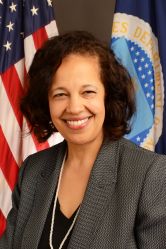
Newly Appointed Under Secretary of Rural Development Lisa Mensah
by Lisa Mensah

FEATURES

“My House Is Backwards!”
by Scott McReynolds

The Housing Development Alliance takes a calm but straightforward approach to mistakes: admit them, fix them, and learn from them in hopes of not making the same mistake twice.

A Promising Concept… With a Harsh Realization
by Laura Buxbaum

After self-examination, a housing nonprofit in Maine asks, “How did we get here? What might we have done differently? And would we ever, under any circumstances, do it again?”

The Gray Panthers of El Dorado, Amador, and Placer Counties: How the Good Guys Finally Won
by John Frisk

A local citizenboard and a group of rural “housers” kept a project afloat after near-collapse in its early years resulting in a development that now serves the community with 40 units of senior housing.

Always Improving, One Misstep at a Time
by Nick Mitchell-Bennet and Kathy Tyler

“I have not failed. I have just found ten thousand ways that won’t work.” Thomas Edison was no stranger to failures, but he took a healthy approach to mistakes.

Farmworker Housing Travails from Pennsylvania
by John Wiltse

PathStone stayed the course through a ten-year predevelopment process and emerged a stronger real-estate developer.

Underestimating Bureaucracy in Bureaus
by Marvin Ginn

Cutting through red tape on tribal lands comes with unique pitfalls

Trust AND Verify
by Wilbur Cave

A seemingly small oversight can become a big problem quickly

Additional Content

rvspring15-infographic-thumbMortgage Lending and Access in Rural America

Rural Voices would like to hear what you have to say about one, or all, of these issues. Please feel free to comment on this story by sending a tweet to #RuralVoicesMag, discuss on the Rural Affordable Housing Group on LinkedIn, or on our Facebook page.

HAC News: April 29, 2015

HAC News Formats. pdf

April 29, 2015
Vol. 44, No. 9

• House acts on HUD funding • USDA RD issues final 502 packaging rule • RD revises UL on tenant notifications for loan payoffs • HUD offers ICDBG funds to address mold • HUD has tenant protection vouchers for low-vacancy areas • Continuum of Care registration opens • VA requests comments on Veterans Choice Program • HUD changes Distressed Asset Stabilization Program • Broadband comments requested • HUD revising tribal consultation policy • HUD required to use procurement contracts for Section 8 funding • Administration adds new Promise Zones • GAO recommends changes in HOPWA funding formula • HUD releases Rental Market Dynamics 2009-2011 report • HAC blogs on ending rural veteran homelessness • Veterans and LIHTC subjects of HAC webinars • HAC conference on “Serving Veterans in Rural America” set for May 20

HAC News Formats. pdf

April 29, 2015
Vol. 44, No. 9

HOUSE ACTS ON HUD FUNDING. The House Appropriations Transportation-HUD Subcommittee on April 29 approved a bill to fund HUD and other programs in fiscal year 2016, beginning October 1. The bill would reduce appropriations for HOME from $900 million in 2015 to $767 million in 2016, but would make up the difference by channeling receipts from Fannie Mae and Freddie Mac to HOME rather than to the National Housing Trust Fund, where current law requires them to go. The bill has level funding for CDBG, Native American housing, public housing operating funds, fair housing, and housing counseling. Some other reductions and increases would also occur, as the table below indicates. A full committee mark-up is the next step in the process and will probably occur soon. The Senate committee has not yet scheduled its action on a T-HUD bill. Also not yet clear is when a final appropriations act will pass and what the impact of a required budget sequester could be. [tdborder][/tdborder]

HUD Program
(dollars in millions)

FY13
Approp.a

FY14
Approp.

FY15
Approp.

FY16 Admin. Budget
Proposal

FY16
House Subcmte. Bill

Cmty. Devel. Fund
CDBG

3,308
2,948

3,100
3,030

3,066
3,000

2,880
2,800

3,060
3,000

HOME
SHOP setaside

1,000
b

1,000
b

900
b

1,060
10

767

Self-Help Homeownshp. (SHOP)

13.5

10

10

b

10

Tenant-Based Rental Assistance
VASH setaside

18,939.4
75

19,177.2
75

19,304
75

21,123
c

19,919

Project-Based Rental Asstnce.

9,339.7

9,516.6

9,330

10,360

10,254

Public Hsg. Capital Fund

1,886

1,875

1,875

1,970

1,681

Public Hsg. Operating Fund

4,262

4,400

4,440

4,600

4,440

Choice Neighbrhd. Initiative

120

90

80

250

20

Native Amer. Hsg. Block Grant

650

650

650

660

650

Homeless Assistance Grantsd

2,033

2,105

2,135

2,480

2,185

Hsg. Opps. for Persons w/ AIDS

334

330

330

332

332

202 Hsg. for Elderly

377

385.3

436

455

414

811 Hsg. for Disabled

165

126

135

177

152

Fair Housing

70.8

66

65.3

71

65.3

Healthy Homes & Lead Haz. Cntl.

120

110

110

120

75

Housing Counseling

45

45

47

60

47

Local Housing Policy Grants

300

a. Figures shown do not include 5% sequester.
b. Recent Obama budgets have proposed making the SHOP program a setaside in HOME. Congress has rejected that proposal.
c. VASH vouchers for homeless veterans are not funded. The President’s budget proposed making VASH part of a new account of incremental rental vouchers for families, veterans, and tribal families experiencing homelessness and for victims of domestic violence.
d. Includes the Rural Housing Stability Program, which is not yet operational.

USDA RD ISSUES FINAL 502 PACKAGING RULE. Revisions to the rule proposed on August 23, 2013 (see HAC News, 8/28/13) will strengthen qualification requirements for intermediaries, require all loans to go through intermediaries unless a packaging organization gets a USDA waiver, cap fees at $1,500 initially, exempt self-help loans from packaging, and make other changes. The final rule is effective July 28. Contact Brooke Baumann, RD, 202-690-4250.

RD REVISES UL ON TENANT NOTIFICATIONS FOR LOAN PAYOFFS. An Unnumbered Letter dated April 28, 2015 supersedes one issued on January 15, 2015 (see HAC News, 2/4/15) and includes sample notifications for borrowers and tenants. Contact a USDA RD state office.

HUD OFFERS ICDBG FUNDS TO ADDRESS MOLD. Tribes and tribal organizations can apply by June 22 for Mold Remediation and Prevention grants to be used for housing units owned or operated by tribes and TDHEs or previously assisted with HUD funding. Contact Roberta Youmans, HUD, 202-402-3316.

HUD HAS TENANT PROTECTION VOUCHERS FOR LOW-VACANCY AREAS. Property owners can apply on a rolling basis for either enhanced vouchers or project-based vouchers for tenants in listed low-vacancy counties whose rents rise when a HUD-insured, HUD-held or Section 202 loan matures; a rental assistance contract expires; or HUD affordability restrictions expire. Contact HUD’s Housing Voucher Management and Operations Division, 202-708-0477.

CONTINUUM OF CARE REGISTRATION OPENS. CoC Collaborative Applicants (not project applicants) must register by May 18 in order to compete for FY15 funds. Contact a HUD CPD field office.

VA REQUESTS COMMENTS ON VETERANS CHOICE PROGRAM. Comments are due May 26 for the Veterans Choice Program interim final rule, which uses driving distance rather than straight lines to measure the distance from a veteran’s residence to the nearest VA medical facility. Contact Kristin Cunningham, VA, 202-382-2508.

HUD CHANGES DISTRESSED ASSET STABILIZATION PROGRAM. Loan servicers must now delay foreclosure for a year and evaluate borrowers for loss mitigation programs. Other changes are intended to increase HUD’s first 2015 sale is planned for June.

BROADBAND COMMENTS REQUESTED. The Rural Utilities Service and National Telecommunications and Information Administration seek input by June 10 about federal actions to promote broadband deployment, adoption, and competition, including by identifying and removing regulatory barriers. Contact Denise Scott, RUS, 202-720-1910.

HUD REVISING TRIBAL CONSULTATION POLICY. Comments are due June 8 on changes to HUD’s government-to-government policy, which intended to enhance communication and coordination between HUD and federally recognized Indian tribes, and to outline guiding principles and procedures under which all HUD employees are to operate with regard to federally recognized tribes. Contact Rodger Boyd, HUD, 202-401-7914.

HUD REQUIRED TO USE PROCUREMENT CONTRACTS FOR SECTION 8 FUNDING. On April 20 the Supreme Court denied an appeal petition, leaving standing a lower court’s ruling that HUD cannot continue to use cooperative agreements with states and PHAs to run the Project-Based Rental Assistance (voucher) program. HUD must now use the federal procurement process, and has said it will need 18-24 months to implement the decision.

ADMINISTRATION ADDS NEW PROMISE ZONES. As PZs, the Pine Ridge Indian Reservation in South Dakota and the South Carolina Low Country, along with six cities, will receive technical assistance and some funding preferences.

GAO RECOMMENDS CHANGES IN HOPWA FUNDING FORMULA. Persons with HIV: Funding Formula for Housing Assistance Could Be Better Targeted, and Performance Data Could Be Improved recommends revising the funding formula to letter reflect the number of living persons with HIV.

HUD RELEASES RENTAL MARKET DYNAMICS 2009-2011 REPORT. The report finds that while the number of afford-able units increased nationally, their percentage of the overall rental stock decreased.

HAC BLOGS ON ENDING RURAL VETERAN HOMELESSNESS. Accounting for Our Sometimes Hidden Homeless Veterans” highlights strategies to ensure rural veterans are included in VA efforts to end veteran homelessness in 2015.

VETERANS AND LIHTC SUBJECTS OF HAC WEBINARS. “Access to Health and Homeless Services for Rural Veterans” is set for May 6. “Utilizing Low Income Housing Tax Credits: An Introduction” will be on May 13; follow the discussion online at #ruralLIHTC. Both will be at 2:00 eastern time and are free; registration is required. Contact Shonterria Charleston, 404-892-4824.

HAC CONFERENCE ON “SERVING VETERANS IN RURAL AMERICA” SET FOR MAY 20. Cosponsored by HAC and The Home Depot Foundation, this event in Washington, DC will provide information on housing, health, and employment needs and programs for rural veterans, with a special focus on successful local projects. There is no charge, but registration is requested. To register or for more information, email janice@ruralhome.org.

HAC News: April 15, 2015

HAC News Formats. pdf

April 15, 2015
Vol. 44, No. 8

• House approves bills on QM and manufactured housing • USDA expanding Section 502 direct loan intermediary pilot • CDFI Fund offers bond guarantees, eases applications for some • RHS encourages processing Section 502 direct applications • RD’s Capital Needs Assessment guidance reissued • FHFA adopts rule prohibiting pass-through of NHTF and CMF costs • Study finds administrative fees for HUD vouchers do not cover costs • Report documents innovative financing for permanent supportive housing • GAO report on government programs’ overlap includes NMTC recommendations • HUD offers healthy housing awards • Upcoming HAC webinars cover HVAC, veterans

HAC News Formats. pdf

April 15, 2015
Vol. 44, No. 8

HOUSE APPROVES BILLS ON QM AND MANUFACTURED HOUSING. On April 14 the House passed H.R. 685, the Mortgage Choice Act of 2015, and H.R. 650, the Preserving Access to Manufactured Housing Act. Supporters say the bills would clarify provisions of the Dodd-Frank Wall Street Reform and Consumer Protection Act and increase consumer options. The Obama Administration has threatened to veto both H.R. 685 and H.R. 650, saying both “would weaken key consumer protections and provisions” of Dodd-Frank.

USDA EXPANDING SECTION 502 DIRECT LOAN INTERMEDIARY PILOT. Nonprofits and public agencies can apply by May 13 to become intermediaries, which train and assist other nonprofits to package Section 502 direct loan applications. New intermediaries must work in specific states not covered by current intermediaries. For further information, contact Brooke Baumann, RD, 202-690-4250.

CDFI FUND OFFERS BOND GUARANTEES, EASES APPLICATIONS FOR SOME. Certified CDFIs or entities designated by certified CDFIs can apply by June 5 to become qualified issuers, and qualified issuers can apply by June 12 for guarantees under the CDFI Bond Guarantee Program. Contact CDFI Fund staff, 202-653-0421, option 5. Comments are due June 9 on an interim rule that would give the CDFI Fund more flexibility to approve a CDFI that is an affiliate of another CDFI for the Bond Guarantee Program only. Contact CDFI Fund staff.

RHS ENCOURAGES PROCESSING SECTION 502 DIRECT APPLICATIONS. RHS has told stakeholders, including HAC, that Administrator Tony Hernandez and USDA Under Secretary Lisa Mensah recently encouraged field staff to allocate adequate resources to process applications for Section 502 direct loans. The National Office has provided states with new tools for data analysis and management, and states are encouraged to partner with others as needed to speed loan processing and fully utilize FY 2015 allocations.

RD’S CAPITAL NEEDS ASSESSMENT GUIDANCE REISSUED. An Unnumbered Letter dated March 16, 2015 is substantially the same as a 2013 UL. It provides detail on developing a CNA, required for transactions involving USDA financed multifamily properties. Contact a USDA RD state office.

FHFA ADOPTS RULE PROHIBITING PASS-THROUGH OF NHTF AND CMF COSTS. No changes were made in the interim rule issued in December (see HAC News, 12/22/14) stating that Fannie Mae and Freddie Mac cannot pass to loan originators the costs of their National Housing Trust Fund and Capital Magnet Fund allocations.

STUDY FINDS ADMINISTRATIVE FEES FOR HUD VOUCHERS DO NOT COVER COSTS. Conducted byAbt Associates for HUD, the research included public housing authorities of all sizes in urban, rural, and suburban places. A draft report, Housing Choice Voucher Program Administrative Fee Study, says in 2013 the average cost of administering a voucher was $70.03 per month and the average fee from HUD was $51.64. Costs in the smallest PHAs (fewer than 50 vouchers) were 91% higher than in the largest PHAs (200 to 249 vouchers), even though rural labor costs were lower. Only 52% of the costs in those smallest PHAs were covered by fees. The report recommends a new formula for calculating fees.

REPORT DOCUMENTS INNOVATIVE FINANCING FOR PERMANENT SUPPORTIVE HOUSING. Creating New Integrated Permanent Supportive Housing Opportunities for ELI Households: A Vision for the Future of the National Housing Trust Fund, released by the Technical Assistance Collaborative and the National Low Income Housing Coalition, highlights state innovations in financing for permanent supportive housing for extremely low-income (30% of area median) households, consistent with recommendations in NLIHC’s report, Aligning Federal Low Income Housing Programs with Housing Need.

GAO REPORT ON GOVERNMENT PROGRAMS’ OVERLAP INCLUDES NMTC RECOMMENDATIONS. The Government Accountability Office’s 2015 Annual Report: Additional Opportunities to Reduce Fragmentation, Overlap, and Duplication and Achieve Other Financial Benefits(GAO-15-404SP) makes no new recommendations on housing programs. It suggests the CDFI Fund issue further guidance on how other government programs can be combined with New Markets Tax Credits; ensure adequate controls to limit the risks of unnecessary duplication and above-market rates of return; and ensure that more complete and accurate data are collected.

HUD OFFERS HEALTHY HOUSING AWARDS. Applications are due April 30 for awards in three categories: public housing/multifamily supported housing, public policy, and cross-program coordination.

UPCOMING HAC WEBINARS COVER HVAC, VETERANS. “A Practitioner’s Guide to Energy Star 3.0: HVAC (Part A)” will be on April 22 at 2:00 eastern (registration available soon) and “Access to Health and Homeless Services for Rural Veterans” on May 6 at 2:00 eastern. Both are free; registration is required. Contact HAC staff, 404-892-4824.

HAC News: April 3, 2015

HAC News Formats. pdf

April 3, 2015
Vol. 44, No. 7

• April is National Fair Housing Month • House and Senate approve nonbinding budget resolutions • NAHASDA reauthorization passes House • USDA offers farmworker housing loans and grants • Housing counseling grants available • HUD requests comment on VAWA rule changes • Broadband demonstration in HUD housing considered • USDA approval for restructuring senior loans explained • Ways to speed agency processing of Section 502 guaranteed loans suggested • HUD sets requirements for rental assistance transfers • Update for Section 3 regulations proposed • Rural housing tenant data for 2014 now available • Homelessness has decreased, change varies widely among states, report says • CFPB updates homebuying toolkit • HAC sets Energy Star webinar for April 8

HAC News Formats. pdf

April 3, 2015
Vol. 44, No. 7

APRIL IS NATIONAL FAIR HOUSING MONTH. HUD issued a press release describing a new media campaign.

HOUSE AND SENATE APPROVE NONBINDING BUDGET RESOLUTIONS. The House passed H.Con.Res.27 on March 25 and the Senate approved S.Con.Res. 11 on March 27. Both houses would retain sequester spending caps for FY16 and make deeper cuts beginning in FY17. Differences between the two mean there may not be agreement on a joint resolution, which would not have the force of law but would guide development of appropriations bills for FY16.

NAHASDA REAUTHORIZATION PASSES HOUSE. The House passed H.R. 360, the Native American Housing Assistance and Self Determination Reauthorization Act, on March 23. The Senate Indian Affairs Committee held a hearing March 18 on its bill, S. 710.

USDA OFFERS FARMWORKER HOUSING LOANS AND GRANTS. Pre-applications for construction or purchase and sub-stantial rehab of off-farm housing are due June 23. Rental Assistance and operating assistance are available. Projects serving high poverty census tracts will receive additional points. Contact an RD state office for an application package.

HOUSING COUNSELING GRANTS AVAILABLE. HUD-approved housing counseling agencies can apply by May 7. Contact HUD staff.

HUD REQUESTS COMMENT ON VAWA RULE CHANGES. A proposed rule implementing the 2013 Violence Against Women Reauthorization Act would increase protections for survivors of domestic and dating violence, stalking, and sexual assault who live in rental housing assisted by HUD. Comments are due June 1. HAC’s website provides a brief summary of the proposal. Separate contacts for HUD programs are listed in the proposed rule. HUD’s proposal covers USDA-funded rental units that have HUD Section 8 assistance, but not other USDA rentals. USDA has implemented the 2013 VAWA through Administrative Notices 4747 (February 10, 2014) and 4778 (January 5, 2015).

BROADBAND DEMONSTRATION IN HUD HOUSING CONSIDERED. HUD requests comments by May 1 on a proposed demonstration aimed at narrowing the digital divide for students in HUD-assisted housing. It wants to partner with local governments, business, and nonprofits “to accelerate broadband adoption and use in HUD-assisted homes.” HUD intends to conduct the initial demonstration in about 20 HUD-assisted communities across the country, both urban and rural, and hopes to expand it nationwide eventually. Contact Camille E. Acevedo, HUD, 202-402-5132.

USDA APPROVAL FOR RESTRUCTURING SENIOR LOANS EXPLAINED. An Unnumbered Letter dated February 27, 2015 is intended to clarify the process for obtaining official RD prior approval and permission to restructure a third-party loan to which a Section 515 loan is subordinate. Contact an RD state office.

WAYS TO SPEED AGENCY PROCESSING OF SECTION 502 GUARANTEED LOANS SUGGESTED. An Unnumbered Letter dated March 13, 2015 lists “tips and best practices for increasing operational efficiencies and to eliminate unnecessary unproductive processes.” Contact the Rural Housing Service’s National Office, 202-720-1452.

HUD SETS REQUIREMENTS FOR RENTAL ASSISTANCE TRANSFERS. A notice describes the conditions for HUD approval of requests to transfer project-based rental assistance, debt held or insured by HUD, and use restrictions from one or more multifamily housing project to another or others. Contact Nancie-Ann Bodell, HUD, 202-708-2495.

UPDATE FOR SECTION 3 REGULATIONS PROPOSED. HUD suggests strengthening its oversight of Section 3, which requires giving jobs and other economic opportunities generated by HUD assistance to low- and very low-income persons to the extent possible.Comments are due May 26. Contact Staci Gilliam, HUD, 202-402-3468.

RURAL HOUSING TENANT DATA FOR 2014 NOW AVAILABLE. USDA RD’s annual issuance provides figures at the national and state levels for the agency’s multifamily portfolio as a whole and separately for Section 515, Section 514/516, and Rental Assistance. There were 1,645 fewer units in 2014 than in 2013. The average income for Section 515 tenants is now $12,022 and for Rental Assistance recipients $10,258. Elderly and disabled households remain a majority in Section 515 units, at 61.65%, and the proportion of households with disabilities increased.

HOMELESSNESS HAS DECREASED, CHANGE VARIES WIDELY AMONG STATES, REPORT SAYS. The State of Homelessness in America 2015, by the National Alliance to End Homelessness, reports data for states and for subpopulations.

CFPB UPDATES HOMEBUYING TOOLKIT. The Consumer Financial Protection Bureau has revised its information booklet, “Your Home Loan Toolkit: A Step-by-Step Guide.” Contact Julie Vore, CFPB, 202-435-7700.

HAC SETS ENERGY STAR WEBINAR FOR APRIL 8. Register online for HAC’s upcoming webinar, “A Practitioner’s Guide to Energy Star 3.0,” to be held on April 8 at 2 pm Eastern time. Contact HAC staff, 404-892-4824.

USDA Rural Development Obligations FY 15 – February

Download complete report (Through February FY 2015)

thumb usda-obs-cover

The Housing Assistance Council (HAC) presents this month’s report on Fiscal Year 2015 USDA Rural Housing program obligations.

As of the end of February, USDA obligated 55,738 loans, loan guarantees, and grants totaling about $7.5 billion. This is $805 million or 411 more obligations than the same time last year.

USDA also obligated 172,528 units of tenant assistance representing $765 million through the Section 521 Rental Assistance and the Section 542 Rural Housing Voucher programs. This is about $26.4 million or 3,498 more units than this time last year.

Single Family Housing Program Highlights

The Section 502 Guaranteed loan program, the largest of the Single Family Housing programs, obligated $7.2 billion (52,154) in loan guarantees. Obligations have averaged about $1.1 billion (8,000 loans) for the last several months.

For the Section 502 Direct program, there have been about $177 million (1,496 loans). Over the last few months obligations have averaged about $48 million (380 loans) per month. Very low-income loan obligations as a percentage of the total dollars obligated for the program decreased in February to 33.7 percent of the total dollars obligated. When viewed as a percentage of the number of loans obligated, very low-income loans comprise 37.6 percent of the total number of loans obligated. One reason for this is that the average loan amount for a low-income borrower has been higher than the average loan for a very low-income borrower. In addition, while the average low-income loan amount has been gradually increasing each month, the average very low-income loan amount has been decreasing. In an effort to stimulate loan obligations for the program, USDA provided its field offices a temporary authorization to obligate loans subject to appraisals and also relaxed certain criteria related to refinancing non-agency existing debt.

The Section 504 Repair and Rehabilitation programs obligated 674 loans representing $3.7 million and 1,369 grants representing $8.1 million. Section 504 activity increased significantly over previous months in February.

Multi-Family Housing Programs

The Section 538 loan guarantee program increased to 23 obligations totaling $27.7 million, similar to the amount for this time last year.

Section 521 Rental Assistance obligations total 170,679 units representing $758 million, about $25 million dollars (3,087 units) more than last year at the same time.
Section 542 vouchers totaled 1,846 units representing $6.5 million, which is $1.3 million or 411 more obligations than this time last year.

Download the combined document.

Individual Program Files

Summary Files

Summary of Rural Development Obligations
Summary Data of Rural Development Obligations Compared to Previous Year
Summary Data of Rural Development Obligations Compared to Previous Month
Summary Chart of Rural Development Obligations
USDA Rural Development Eligible Areas

Single Family Housing Program Obligations

Section 502 Direct Homeownership Total Obligations
Section 502 Direct Homeownership Low and Very Low Obligations
Section 502 Guaranteed Homeownership Obligations
Section 504 Total Home Rehab Obligations
Section 523 Self-Help Technical Assistance Grant Obligations

Multi-Family Housing Program Obligations

Section 514/516 Farm Labor Housing Obligations
Section 515 Rental Housing Obligations
Section 521 Rental Assistance Obligations
Section 533 Housing Preservation Obligations
Section 538 Guaranteed Rental Obligations
Multifamily Housing Tenant Voucher Obligations
Multifamily Housing Revitalization Demonstration Program

Unallocated Program Obligations

Section 306 Water/Wastewater Grant Obligations
Section 509 Compensation for Construction Defects
Multifamily and Single-family Housing Credit Sales

* The Rural Housing Service (RHS) monthly obligation reports are produced by the Housing Assistance Council (HAC) 1025 Vermont Ave., NW, Suite 606, Washington, DC 20005. The monthly figures derive from HAC tabulations of USDA –RHS 205c, d, and f report data. For questions or comments about the obligation reports, please contact Michael Feinberg at 202-842-8600 or michael@ruralhome.org.

USDA Rural Development Obligations FY 15 – January

Download complete report (Through January FY 2015)

thumb usda-obs-cover

The Housing Assistance Council (HAC) presents this month’s report on Fiscal Year 2015 USDA Rural Housing program obligations.

January represents the first full month of USDA operations under the FY 2015 appropriations bill signed into law on December 16, 2014. Most rural housing programs received funding levels similar to FY 2014.

As of the end of January, USDA obligated 46,512 loans, loan guarantees, and grants totaling about $6.2 billion. This is $641 million or 3,927 more obligations than the same time last year.

USDA also obligated 104,164 units of tenant assistance through the Section 521 Rental Assistance or Section 542 Rural Housing Voucher programs, about $421 million or 1,652 more units than this time last year.

Single Family Housing Program Highlights

The Section 502 Guaranteed loan program, the largest of the Single Family Housing programs, obligated $6.0 billion (44,101) in loan guarantees. Most of the obligations occurred in October and November when monthly obligation rates averaged about $1.9 billion (nearly 14,000 loans per month). Activity in December and January slowed somewhat to about $1.1 billion (8,000 loans) per month.

For the Section 502 Direct program, there have been about $131 million (1,116 loans). The trend in the Section 502 Direct program has been an increasing level of loan obligations each month. Beginning with a slow start in October, November through January logged marked increases in loan activity. Very low-income loan obligations as a percentage of the total dollars obligated for the program decreased in January to 35.2 percent of the total dollars obligated. When viewed as a percentage of the number of loans obligated, very low-income loans total 38.6 percent of the number of loans obligated. One reason for this is that the average loan amount for a low-income borrower has been higher than the average loan for a very low-income borrower. In addition, while the average low-income loan amount has been gradually increasing each month, the average very low-income loan amount has been decreasing.

The Section 504 Repair and Rehabilitation programs obligated 425 loans representing $2.3 million and 848 grants representing $5.1 million. Section 504 activity has slowed from the levels in October and November ($630 thousand/100 loans per month and nearly $1.5 million/245 grants per month) compared to December and January ($520 thousand/100 loans and about $1 million/180 grants.)

Multi-Family Housing Programs

The Section 538 loan guarantee program increased to 16 obligations totaling $14.6 million, two more loans but $8.6 million fewer dollars obligated than this time last year.

Section 521 Rental Assistance obligations total 103,369 units representing $466 million, about $23 million more dollars than last year at the same time. Nearly 45 percent of the year to date obligations were done in October. Since that time obligations levels have varied from month to month.

Section 542 vouchers totaled 795 obligations representing $2.6 million, 411 fewer obligations than this time last year. Most of the obligations ($2.58 million/780 units) took place in November.

Download the combined document.

Individual Program Files

Summary Files

Summary of Rural Development Obligations
Summary Data of Rural Development Obligations Compared to Previous Year
Summary Data of Rural Development Obligations Compared to Previous Month
Summary Chart of Rural Development Obligations
USDA Rural Development Eligible Areas

Single Family Housing Program Obligations

Section 502 Direct Homeownership Total Obligations
Section 502 Direct Homeownership Low and Very Low Obligations
Section 502 Guaranteed Homeownership Obligations
Section 504 Total Home Rehab Obligations
Section 523 Self-Help Technical Assistance Grant Obligations

Multi-Family Housing Program Obligations

Section 514/516 Farm Labor Housing Obligations
Section 515 Rental Housing Obligations
Section 521 Rental Assistance Obligations
Section 533 Housing Preservation Obligations
Section 538 Guaranteed Rental Obligations
Multifamily Housing Tenant Voucher Obligations
Multifamily Housing Revitalization Demonstration Program

Unallocated Program Obligations

Section 306 Water/Wastewater Grant Obligations
Section 509 Compensation for Construction Defects
Multifamily and Single-family Housing Credit Sales

* The Rural Housing Service (RHS) monthly obligation reports are produced by the Housing Assistance Council (HAC) 1025 Vermont Ave., NW, Suite 606, Washington, DC 20005. The monthly figures derive from HAC tabulations of USDA –RHS 205c, d, and f report data. For questions or comments about the obligation reports, please contact Michael Feinberg at 202-842-8600 or michael@ruralhome.org.

HAC News: March 18, 2015

HAC News Formats. pdf

March 18, 2015
Vol. 44, No. 6

• Members of Congress question budget’s self-help funding, minimum rents, and more • Castro includes rural in budget testimony • House and Senate Republicans release FY16 budgets • VA expands eligibility for SSVF NOFA •HUD requests input on HOPWA for abuse victims • USDA StrikeForce Initiative adds counties in Oklahoma and Puerto Rico • Gap between supply of and demand for affordable rental units continues to grow • Housing costs increasing for employed renters • HAC releases conference report • HAC sets “Serving Veterans in Rural America” conference for May 20

HAC News Formats. pdf

March 18, 2015
Vol. 44, No. 6

MEMBERS OF CONGRESS QUESTION BUDGET’S SELF-HELP FUNDING, MINIMUM RENTS, AND MORE. Appropriations Committee Chair Hal Rogers (R-KY) called the proposed reduction in funding for Section 523 self-help housing “troublesome” at a March 18 House Agriculture Appropriations Subcommittee hearing on the Administration’s FY16 budget request. Housing Administrator Tony Hernandez said carryover from FY15 will help fund self-help contracts, and that RD’s effort to improve underwriting and automation will lead to reduced wait times for loan approvals. Subcommittee Chair Robert Aderholt (R-AL) questioned funding decreases that have “been rejected [by Congress] many times in the past,” and also asked about the proposed $50 minimum rent. Hernandez said about 36,000 households would be eligible for hardship exemptions, where a rent of $25 would likely be required, and noted USDA is asking to access HHS income verification databases to confirm program eligibility. Rep. Andy Harris (R-MD) inquired about RD’s reevaluation of how “rural in character” is defined to determine housing program eligibility. Hernandez replied the requirement is currently suspended and should be reinstated by September 2015. Subcommittee Ranking Member Rep. Sam Farr (D-CA) pointed out this was the only hearing addressing rural poverty.

CASTRO INCLUDES RURAL IN BUDGET TESTIMONY. On March 11, HUD Secretary Julián Castro testified on HUD’s FY16 budget request before the Senate Transportation-HUD Appropriations Subcommittee. His written testimony, like the testimony prepared for the House Subcommittee on February 25, includes a section on rural America, focusing on Native American programs, colonias, and partnerships with USDA.

HOUSE AND SENATE REPUBLICANS RELEASE FY16 BUDGETS. Neither document includes specific spending levels for individual housing programs. The Senate Republicans’ budget proposal does not discuss housing. The House version says it will reform housing programs, without details except for positive mention of HUD’s Moving to Work program. It would also privatize Fannie Mae and Freddie Mac.

VA EXPANDS ELIGIBILITY FOR SSVF NOFA. The Department of Veterans Affairs has made current Supportive Services for Veteran Families grantees with three-year, non-renewable grants eligible to apply under its February 3 NOFA (see HAC News, 2/4/15). The deadline is April 10. Contact SSVF staff, 877-737-0111.

HUD REQUESTS INPUT ON HOPWA FOR ABUSE VICTIMS. Comments are due April 13 on a demonstration that will award grants to states, local governments, and nonprofits to provide temporary housing to low-income victims of abuse or assault living with HIV/AIDS. Grantees must coordinate with local domestic violence and sexual assault service providers for client outreach and supportive services. Contact Amy Palilonis, HUD, 202-402-5916.

USDA STRIKEFORCE INITIATIVE ADDS COUNTIES IN OKLAHOMA AND PUERTO RICO. StrikeForce targets assistance to rural areas with chronic poverty. Parts of 21 states and the entire island of Puerto Rico are now included.

COMMENTS REQUESTED ON REDUCING USDA REGULATORY BURDENS. Comments are due May 18 on ways to modify regulations to streamline reporting and increase flexibility. Contact Michael Poe, USDA, 202-720-3257.

GAP BETWEEN SUPPLY OF AND DEMAND FOR AFFORDABLE RENTAL UNITS CONTINUES TO GROW. Affordable Housing is Nowhere to be Found for Millions, published by the National Low Income Housing Coalition,highlights the gaps at the national and state levels. Nationwide, only 31 affordable and available rental units exist for every 100 extremely low-income renter households. NLIHC says that, without government intervention, this gap will continue increasing.

HOUSING COSTS INCREASING FOR EMPLOYED RENTERS. Housing Landscape 2015, by the National Housing Conference’s Center for Housing Policy, reports housing affordability has improved slightly for low- and moderate-income working households, but costs continue to increase for working renters. Minority-headed households – except for American Indians and Native Alaskans – have a notably higher housing cost burden than white-headed households.

HAC RELEASES CONFERENCE REPORT. Events from the 2014 HAC Rural Housing Conference are reviewed briefly in the final report, which includes links to videos of each plenary session as well as materials from select workshops. [tdborder][/tdborder]

HAC SETS “SERVING VETERANS IN RURAL AMERICA” CONFERENCE FOR MAY 20. Cosponsored by HAC and The Home Depot Foundation, this event in Washington, DC will provide information on housing, health, and employment needs and programs for rural veterans, with a special focus on successful local projects. Confirmed speakers include Sen. Johnny Isakson (R-GA), other government officials, and representatives of several local rural housing organizations. There is no charge, but registration is requested. To register or for more information, email janice@ruralhome.org.

HAC News: March 4, 2015

HAC News Formats. pdf

March 4, 2015
Vol. 44, No. 5

• First hearing for FY16 housing funding held • USDA offers rural vouchers • Section 502 guarantee rule changes offered • RD sets national square footage for modest housing • Supportive Services for Veteran Families regulations completed • HUD issues guidance on service to LGBT and transgender individuals • State CDBG program guide updated • HUD compares Housing Trust Fund and HOME • Section 8 guidance covers Davis-Bacon’s applicability to existing housing • Study shows how energy efficiency in rental housing helps affordability • “How Housing Matters” website launched • Interactive map shows racial/ethnic diversity by age for counties

HAC News Formats. pdf

March 4, 2015
Vol. 44, No. 5

FIRST HEARING FOR FY16 HOUSING FUNDING HELD. On February 25, HUD Secretary Julián Castro testified before the House Appropriations Committee’s Transportation-HUD Subcommittee about the Administration’s FY16 budget request (see HAC News, 2/4/15). Rep. David Valadao (R-CA) asked how much of HUD’s funding goes to rural places and how HUD can serve rural America. Castro responded with the proportions of CDBG and HOME dollars used in rural areas. Rep. Henry Cuellar (D-TX) asked about HUD activities in the colonias. Castro described the budget request to increase the CDBG setaside for colonias to 15% from the current 10%. The subcommittee will hold another hearing on HUD funding for housing and one for community development. The House Agriculture Appropriations Subcommittee has scheduled a March 18 hearing on USDA Rural Development, including the rural housing programs.

USDA OFFERS RURAL VOUCHERS. Section 542vouchers are for tenants of RD-financed Section 515 properties where the RD loan has been prepaid or foreclosed on after September 30, 2005. A notice will be published in the March 9 Federal Register. Contact an RD office or Stephanie B.M. White, RD, 202-720-1615.

SECTION 502 GUARANTEE RULE CHANGES OFFERED. USDA RD proposes to amend its regulations for the single-family guaranteed loan program on the subjects of lender indemnification, principal reduction, refinancing, and qualified mortgage requirements. Comments are due May 4. Contact Lilian Lipton, USDA, 202-260-8012.

RD SETS NATIONAL SQUARE FOOTAGE FOR MODEST HOUSING. In recent years, regional guidelines have been used for square footage, which is one factor in determining what homes are “modest” and eligible for the Section 502 direct and 504 programs. An Unnumbered Letter dated March 3, 2015 sets a nationwide guideline at 1,800 square feet. State Directors can approve exceptions. Contact Chris Ketner, RD, 202-690-1530.

SUPPORTIVE SERVICES FOR VETERAN FAMILIES REGULATIONS COMPLETED. The VA issued final regulations for the program, which makes grants to entities that provide supportive services to very low-income veterans and families who are at risk for becoming homeless or who have recently become homeless. Contact John Kuhn, 877-737-0111 (toll-free).

HUD ISSUES GUIDANCE ON SERVICE TO LGBT AND TRANSGENDER INDIVIDUALS. Notice H 2015-01 reminds stakeholders that regulations prohibiting discrimination based on sexual orientation, gender identify, or marital status apply to housing financed or insured by HUD. To ask questions about this notice, contact the FHA Resource Center, 800-CALLFHA (800-225-5342). Notice CPD-15-02 addresses appropriate placement for transgender persons in single-sex emergency shelters and other facilities, telling providers they should generally place individuals in shelters serving the gender with which they identify. Submit questions on this notice online.

STATE CDBG PROGRAM GUIDE UPDATED. Guide to National Objectives and Eligible Activities for State CDBG Programs, published by HUD, describes and provides examples of eligible activities and details the process for selecting activities that properly address a national objective.

HUD COMPARES HOUSING TRUST FUND AND HOME. A brief table highlights the key differences in the programs.

SECTION 8 GUIDANCE COVERS DAVIS-BACON’S APPLICABILITY TO EXISTING HOUSING. In the March 9 Federal Register HUD will publish information supplementing its rules on applying the Davis-Bacon Act’s wage requirements to existing housing involved in the Section 8 project-based voucher program. Contact Becky Primeaux, HUD, 202-708-2815.

STUDY SHOWS HOW ENERGY EFFICIENCY IN RENTAL HOUSING HELPS AFFORDABILITY. A report on research conducted for Housing Virginia by Virginia Tech’s Center for Housing Research states that residents of energy-efficient Low Income Housing Tax Credit developments, both urban and rural, saved an average of $54 a month on electricity bills, and those apartments outperformed new standard construction by over 40% with respect to energy consumption.

“HOW HOUSING MATTERS” WEBSITE LAUNCHED. The site, funded by the John D. and Catherine T. MacArthur Foundation and created by the Urban Land Institute Terwilliger Center for Housing, is intended to be “the go-to place for the most rigorous research and practical information on how housing can contribute to better educational opportunities and outcomes for children; stronger economic foundations for families and communities; healthier people and neighborhoods.”

INTERACTIVE MAP SHOWS RACIAL/ETHNIC DIVERSITY BY AGE FOR COUNTIES. A Brookings Institution online map illustrates the racial composition of different age groups for each county and metropolitan area. Brookings notes that youth are considerably more diverse than elders. Detailed data are also provided.

GET THE HAC NEWS!

Sign-up for HAC information products

SIGN UP HERE

Housing Assistance Council   |  1828 L Street. N.W., Suite 505, Washington, D.C. 20036
(202) 842-8600 (202) 347-3441 hac@ruralhome.org |

Board Portal

HAC is an equal opportunity provider, employer, and lender. | Civil Rights | Privacy