The Housing Assistance Council is an independent, non-partisan and regularly responds to Congressional committees, Member offices, federal agencies, and policy advocacy coalitions with the research and information needed to make informed policy decisions. Our research work, Rural Data Portal, and Veterans Data Central all provide valuable, educational context to frame the rural policy conversation. If you want to know how a new program or policy could impact America’s small towns and rural places, please don’t hesitate to contact us at policy@ruralhome.org.

Debt ceiling compromise limits spending, rescinds some HUD and USDA housing funds

The Fiscal Responsibility Act – the recently enacted compromise that suspends the debt ceiling until January 1, 2025 – makes fewer cuts than the Limit, Save, Grow Act passed by the House in April, but it almost certainly will limit federal spending on housing aid for the next two fiscal years. In addition to the well-publicized work requirements for SNAP and TANF recipients, reallocation of IRS funding, and revised environmental reviews, the measure includes a variety of other provisions, several of which impact rural housing.

  • It rescinds any unspent funds from the $39 million for Section 502 direct loans and 504 loans that was provided in the American Rescue Plan Act. (The June 8, 2023 HAC News reported incorrectly that $2 million in rental preservation technical assistance funds were also rescinded. The compromise did not rescind any preservation TA monies.)
  • It rescinds unspent monies appropriated by pandemic relief laws for the Emergency Rental Assistance and Homeowner Assistance Fund programs, and funds that were appropriated in the CARES Act but have not yet been spent by HUD for Tenant-Based Rental Assistance, Project-Based Rental Assistance, Native American housing, Section 811, and Section 202.
  • It caps overall FY24 funding for discretionary programs at around FY23 levels. Despite this limit on total spending, specific programs may receive amounts that are higher or lower than their FY23 levels. As it does every year, the appropriations process in Congress will make key decisions for individual programs.
  • Overall discretionary spending can increase only 1% from FY24 to FY25. The annual appropriations bills will set amounts for individual programs.
  • If appropriations do exceed the limits in FY24 or FY25, a sequester would make across-the-board cuts to discretionary programs.
  • Discretionary spending increases are also capped at 1% for fiscal years 2026-2029, but Congress can waive these caps if it chooses. It has no such option for FY24 and FY25.
  • If Congress uses a continuing resolution to fund any part of the government beyond January 1 of FY24 or FY25, funding for that year would be reduced. If a CR were still in effect on April 30, the funding cut would be applied to the entire year.

HAC’s Comments on Greenhouse Gas Reduction Fund

HAC has submitted its second comment letter to the Environmental Protection Agency (EPA) about the the new $27 billion Greenhouse Gas Reduction Fund (GGRF) created by the Inflation Reduction Act. In late April, EPA released an implementation framework explaining that it plans to divide the program into three competitions. The $14 billion National Clean Investment Fund will fund two or three national nonprofits to partner with private capital providers to deliver financing at scale to businesses, communities, community lenders, and others. The $6 billion Clean Communities Investment Accelerator competition will fund two to seven hub nonprofits to build the capacity of lenders such as CDFIs and housing finance agencies to finance clean technology projects. The $7 billion Solar for All competition will make grants to states, Tribal governments, municipalities, and nonprofits to prepare low-income and disadvantaged communities for residential and community solar. EPA expects to issue Notices of Funding Opportunity as early as June.

HAC first commented in December after EPA asked for general feedback. In its second letter, HAC repeats some of the suggestions made in December and makes some additional points about the implementation framework, asking EPA to:

  • Address the unique needs of rural and persistent poverty communities.
  • Ensure that nonprofit CDFIs and their nonprofit housing development partners are explicitly eligible for GGRF resources.
  • Increase clarity and reduce administrative burden on recipients.
  • Exempt housing from Build America, Buy America requirements.

Read HAC’s full comments here.

HAC GGRF Comment Letter

HAC’s CEO Testifies to Senate Banking Subcommittee on Rural Housing Reforms

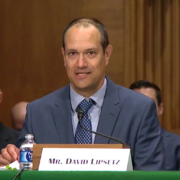
HAC was honored to be invited to testify on May 2, 2023 before the Housing, Transportation, and Community Development Subcommittee of the U.S. Senate Committee on Banking, Housing, and Urban Affairs to discuss commonsense, bipartisan reforms to the U.S. Department of Agriculture’s Rural Housing Service (RHS) programs. HAC’s President & CEO, David Lipsetz, was one of five witnesses on the hearing panel.

The hearing was held to discuss the bipartisan Rural Housing Service Reform Act of 2023, which has been introduced by Subcommittee Chairwoman Tina Smith (D-MN) and Senator Mike Rounds (R-SD). The RHS Reform Act includes a slate of provisions to improve the multifamily, single-family, and capacity building programs at RHS. Senators Smith and Rounds engaged deeply with stakeholders on the creation of the bill, including offering a call for policy recommendations in the summer of 2022. HAC’s response to that comment opportunity can be seen here. We were thrilled to see many of our recommendations included in the bill, and applaud Senators Smith and Rounds on their thoughtful engagement with stakeholders and their commitment to improving the RHS programs.

Highlights from the RHS Reform Act include:

  • Multifamily

    • Authorizing the Multifamily Preservation and Revitalization (MPR) program and Multifamily Preservation Technical Assistance Program
    • Allowing for the decoupling of a Section 515 mortgage and Section 521 Rental Assistance
    • Allowing Section 542 rural vouchers to be adjusted based on changes in tenant income
    • Streamlining the process for Section 515 nonprofit transfers and increasing the Section 515 nonprofit set aside
  • Single Family

    • Establishing the Native CDFI Section 502 relending program
    • Increasing the threshold for the mortgage requirement on a Section 504 home rehab loan from $7,500 to $15,000
    • Extending the loan term for a Section 502 loan up to 40 years
  • Capacity Building

    • Authorizing the Rural Community Development Initiative (RCDI) and waiving the matching funds requirement for groups working in areas of persistent poverty
    • Requiring RHS to publish more data on their housing programs
    • Authorizing funding for much needed technology upgrades at RHS
Watch the Recording Read David’s Testimony HAC’s 2023 Policy Priorities

HAC’s Comments on Affirmatively Furthering Fair Housing

In February 2023, the U.S. Department of Housing and Urban Development (HUD) requested public comments on a proposed regulation that is intended to ensure that HUD and entities receiving funding from HUD will “Affirmatively Further Fair Housing” (AFFH). This rule would implement the Fair Housing Act’s requirement for HUD and its awardees to proactively take meaningful actions to overcome patterns of segregation, promote fair housing choice, eliminate disparities in housing-related opportunities, and foster inclusive communities that are free from discrimination. The 2023 proposed rule is based on a 2015 rule that was never fully implemented.

HAC supports many aspects of HUD’s proposal. HAC also supports suggestions for improvements made in comment letters prepared by the National Community Reinvestment Coalition and National Housing Law Project, and HAC — along with many other organizations — signed those letters. In addition, to emphasize some points that are particularly relevant to AFFH efforts in rural America, HAC submitted its own comment letter.

In its letter, HAC makes three primary points regarding state and local governments’ development of AFFH Equity Plans:

  • Community engagement must be offered in many different ways.
  • Analyses must be conducted in smaller geographic areas.
  • Data on USDA-supported housing must be specifically included.

Read HAC’s full comments here.

HUD AFFH 2023 Comment Letter

HAC’s Comments on HUD’s 2023 Learning Agenda

HAC submitted comments to the Department of Housing and Urban Development’s (HUD) Request for Information on their Fiscal Year 2023 Learning Agenda. There is a lack of rural research on a variety of housing topics, and HUD can play a role in investing in high-quality research and data to better define rural needs.

HAC’s comments suggested these areas and topics as ripe for HUD research investment:

  • Farmworker housing conditions
  • Manufactured housing issues
  • The fate of housing units leaving the federally subsidized housing stock
  • The impact of rural Area Median Incomes on HUD program access
  • Rural data in the American Housing Survey

Read HAC’s full comments here.

HUD Learning Agenda 2023 Comment Letter

HAC Comments on HUD’s CDBG-DR Disaster Recovery Program

Responding to two requests for information from HUD, on February 21 HAC submitted comments on some of the specifically rural concerns involved in using the Community Development Block Grant Disaster Recovery (CDBG-DR) program.

The program does not receive regular annual funding in HUD’s appropriations bills. Instead, Congress provides funds to help with recovery from specific disasters after they occur. As a result, HUD has not been able to write regulations for the program. The department is now developing a “Universal Notice” that would standardize the CDBG-DR allocation and implementation process. HUD asked for input on the program’s rules and waivers and on its allocation formula. HAC combined its responses and submitted one letter.

Key Takeaways

  • To make CDBG-DR most effective in rural and Tribal areas, HUD must build local capacity itself, or require state grantees to do so.
  • To achieve geographic parity in the distribution of CDBG-DR resources, HUD must account for the difficulties of appraising rural properties, as well as for a variety of nontraditional housing and nontraditional forms of ownership that are common in rural places.
  • HUD, FEMA, the U.S. Department of Agriculture, and other agencies involved in the disaster recovery process should develop a single set of standardized forms and templates for applicants to use.

To learn more about HAC’s full recommendations, read our full comment letter. Other comments are posted here and here.

HAC Comments on CDBG-DR

HAC’s Research Director Testifies to Senate Banking Committee on the State of Housing 2023

HAC was deeply honored by an invitation to testify at the first hearing held in the new 118th Congress by the Senate Banking, Housing, and Urban Affairs Committee. Titled The State of Housing 2023, the session featured Lance George, HAC’s Director of Research and Information, as one of  three witnesses.

A wide range of topics was covered by the witnesses’ testimony and the Senators’ questions. Among the key areas of concern were the gap between housing supply and need, the high cost of both homeownership and rental housing, and what congressional actions could address these challenges. Committee Chair Sherrod Brown (D-Ohio) asked specifically about the loss of rentals financed by USDA’s Section 515 program, a serious concern addressed by HAC research in 2016 and 2022.

Key Takeaways

Lance’s statement made five key points about the state of rural housing in 2023:

  • The pandemic left its mark on rural America and housing markets remain uncertain.
  • Rural mortgage markets are being impacted by interest rates and prices too.
  • Affordability is the greatest housing challenge in rural America, by far.
  • Manufactured housing is an often overlooked but important source of housing – especially in rural America.
  • Race matters across the rural spectrum – especially in housing.

Key policy recommendations, based on HAC’s full set of policy priorities for 2023, included:

  • Increase rural communities’ access to credit and capital and strengthen USDA and HUD homeownership supports.
  • Improve opportunities and financing for preserving aging rental properties and protecting tenants.
  • Authorize the powerful Rural Community Development Initiative and a significant cross-sectoral, flexible capacity building rural investment initiative.

Lance George

Lance George

HAC’s Director of Research & Information

Watch the Hearing


Housing Assistance Council Statement on $54 Million Funding Package for Homelessness in Rural America

Last week, the U.S. Department of Housing and Urban Development (HUD) announced a historic $315 million package of grants to help communities across the country provide both housing and supportive services to those experiencing homelessness. The Housing Assistance Council (HAC) celebrates the inclusion in this package of more than $54 million targeted to rural communities.

“The announcement of $54.4 million in grants to combat rural homelessness is a critical step toward achieving the goal of reducing homelessness by 25% by 2025, set forth in the Administration’s recently released Federal Strategic Plan to Prevent and End Homelessness,” said David Lipsetz, CEO of the Housing Assistance Council. “While the most recent count showed less than a half-percent increase in homelessness overall from 2020 to 2022, predominantly rural Continuums of Care experienced a 6% increase. These targeted grants across over half the country—27 states, which are collectively home to over two-thirds of rural Americans—can help reverse this troubling trend.”

Continuums of Care, the entities that coordinate federal homelessness response efforts, to build their capacity to address the unique homelessness and housing challenges in rural America. In particular, rural communities can apply for capacity-building support—not usually an eligible use of HUD homeless funding, but an important factor in many small towns and rural places. Importantly, this initiative also targets rural communities that have historically not had access to HUD homeless assistance grants.

“The announcement provides a model for bipartisan, evidence-based policymaking in the current political environment,” added Lipsetz. “First, Democrats and Republicans on Congressional Appropriations Committees joined together to authorize HUD to deploy unspent funds for this purpose. Second, while rural communities typically struggle to access competitive federal funding despite demonstrable need because of capacity constraints, HUD not only set aside funding for rural America but specifically sought applications to serve communities that had not previously received Homeless Assistance Grants.”

Housing Assistance Council Statement on FY 2023 Omnibus Bill

This bipartisan agreement maintains funding for USDA’s rural rental housing portfolio and makes a game-changing investment in manufactured housing.

The Housing Assistance Council appreciates Congress continuing to invest in rural communities through the latest omnibus spending bill and hopes that the next Congress will take further steps in 2023 to address the housing crisis in rural America.

The appropriations agreement reached this week makes significant contributions to affordable rural rental housing through the U.S. Department of Agriculture’s housing programs. It also provides $225 million in funding for a new manufactured housing financing and improvement program to be administered by the U.S. Department of Housing and Urban Development.

“This bipartisan agreement maintains funding for USDA’s rural rental housing portfolio and makes a game-changing investment in manufactured housing,” said HAC CEO David Lipsetz. “Rural communities will use this funding to preserve existing affordable housing, build more, and lay the foundation for a better future.”

More than half of all manufactured homes are in rural places. In May, HAC’s Director of Research and Information Lance George testified to Congress that manufactured housing “should continue to be a high-quality, affordable housing option” for rural America.  By creating the first dedicated funding stream targeted to this essential affordable housing stock, this omnibus spending bill takes a critical first step toward achieving just that.

HAC also appreciates the omnibus’s continued support of capacity building programs through USDA and HUD. Congress has long recognized that housing programs only work when there are local partners helping to build, manage, and maintain affordable homes. With a modest investment in the capacity of small towns’ local housing organizations, rural communities can navigate the complexities of federal programs and modern housing finance. As the only national intermediary dedicated solely to rural housing, HAC is gratified to see HUD’s Rural Capacity Building program receive its first increase in program history, from its founding in 2012 at $5 million to $6 million in FY 2023. This will enable HAC and other RCB grantees to provide training and technical assistance to community-based organizations across rural America.

Yet the omnibus leaves too many rural Americans’ housing problems unaddressed. Most of the housing programs at both USDA and HUD enter 2023 with about the same resources they had in 2022, even as mortgage and rent costs are increasing across the country, USDA-financed rental developments are losing their affordability, and homelessness is increasing in rural areas. HAC calls on the 118th Congress to be bolder – to increase support for proven solutions and to innovate. Both the annual appropriations process and the 2023 Farm Bill offer opportunities for action. HAC’s detailed suggestions can be found here and here.

Everyone deserves a safe, healthy, and affordable place to call home. Through the upcoming Farm Bill and the next appropriations cycle, the 118th Congress will have the opportunity to make even more transformative investments that could make that vision a reality.

Final FY23 Spending Bill Boosts Some Rural Housing Programs

Most USDA rural housing programs will see modest boosts or flat funding for fiscal year 2023 in the omnibus spending bill congressional leaders released on December 20, 2022, which is expected to be enacted later this week. Funding for the Section 514 farmworker housing program will drop, however, from $28 million in FY22 to $20 million this year. The Community Facilities grant account is hit even harder, falling from $40 million in FY22 to $25.3 million this year, although the bill does add $50 million for CF grants to disaster areas.

— HAC’s analysis of FY23 appropriations for HUD is available here.  —

The bill’s funding levels support rental preservation efforts, although the measure does not decouple (separate) Section 521 Rental Assistance from USDA Section 514 and 515 mortgages. It substantially increases USDA’s Section 538 rental housing loan guarantees, which are used for preservation as well as new construction, from $230 million in FY22 to $400 million in FY23. This program has been fully utilized in the past two years – an indication of strong demand – and the administration’s budget had requested the additional funds. Section 515 direct rental housing loans receive a smaller increase, from $50 million this year to $70 million next year.

The Section 514 farm labor housing loan program, however, is cut from $28 million to $20 million. Section 516 grants hold steady at $10 million.

The bill also supports USDA’s new initiative to improve homeownership opportunities for Native Americans, allocating $7.5 million for Native CDFIs to make Section 502 direct loans to Native Americans.

Emergency funding is provided for some of the rural housing programs, to be used in places where presidentially declared disasters occurred in FY22. The Rural Housing Assistance Grants account – which includes both Section 504 repair grants for low-income elderly homeowners and also Section 533 Housing Preservation Grants for owner-occupied or rental housing – receives $60 million. Community Facilities programs get $75.3 million, $50 of which is specifically for grants to repair essential community facilities. These CF grants can cover up to 75 percent of the cost of a repair.

The bill mandates smoke detectors in rental housing that is constructed, rehabilitated, or repaired with Section 515 or Section 514/516 funds, or funding from any of several HUD rental programs. The requirement will take effect in December 2024.

The table below shows the dollar amounts provided for USDA rural housing and community facilities programs.

USDA Rural Dev. Prog. (dollars in millions) FY22 Final Approp. FY23 Budget FY23 House Bill FY23 Senate Bill FY23 Final
502 Single Fam. Direct $1,250 $1,500 $1,500 $1,500 $1,250
Nat. Amer. Single Fam. Demo 20.8 12 20.8 7.5
502 Single Family Guar. 30,000 30,000 30,000 30,000 30,000
504 VLI Repair Loans 28 50 28 30 28
504 VLI Repair Grants 32 45 32 32 32
515 Rental Hsg. Direct Lns. 50 200 150 100 70
514 Farm Labor Hsg. Lns. 28 50 30 35 20
516 Farm Labor Hsg. Grts. 10 18 16 14 10
521 Rental Assistance 1,450 1,564 1,494 1,488 1,488
523 Self-Help TA 32 40 33 32 32
533 Hsg. Prsrv. Grants 16 30 16 16 16
538 Rental Hsg. Guar. 250 400 300 400 400
Rental Prsrv. Demo. (MPR) 34 75 40 45 36
542 Rural Hsg. Vouchers 45 38 38 50 48
Rental Prsrv. TA 2 0 2 5 2
Community Facil. Loans 2,800 2,800 2,800 2,800 2,800
Community Facil. Grants 40 52 68.1 100 25.3
Rural Cmnty. Dev’t Init. 6 12 8 7 6
Tribal Colleges CF Grts 10 10 10 10 10
Cong. Directed Spending* 126.9 202.3 325.5
Community Facil. Guarantees 650 500 650 650 650

* Congressionally Directed Spending (earmarks) accounts for a large portion of the Community Facilities Grant spending in both the House and Senate bills, and in the final bill. Specific projects, which were listed in the House and Senate committee reports, are catalogued in the explanatory statement for the final bill.

Senate Proposes Rural Housing Funding Increases

The Senate Appropriations Committee proposes rural housing funding levels for the upcoming fiscal year much like those in the administration’s budget request and the bill passed by the House. On July 28, the committee released its version of all 12 appropriations bills for fiscal 2023, which begins on October 1, 2022.

The fate of these bills is unclear. The Senate has not scheduled action on any of them. The House has passed a “minibus” bill that combines appropriations measures for several agencies, including the U.S. Department of Agriculture (USDA) and the Department of Housing and Urban Development (HUD), but the fiscal year is expected to begin with a continuing resolution holding government spending at FY22 levels. Final appropriations are not likely to be completed until after the midterm elections in early November.

— HAC’s analysis of FY23 appropriations for HUD is available here.  —

Homeownership

The Senate committee’s USDA bill would keep most of the rural single-family housing programs at or near their current funding levels. It endorses the request in USDA’s budget to provide almost $21 million to expand the Native American relending pilot program, which enlists a Native Community Development Financial Institution to work with tribes and Native homebuyers.

Rental Housing

The Senate bill would provide $100 million for Section 515, twice as much as in FY22 but lower than the $200 million requested by the administration – which proposed to finance new Section 515 construction for the first time since fiscal year 2011 – and the $150 million in the House bill. Like the House, this bill also rejects USDA’s request for enough Section 521 Rental Assistance (RA) funding to renew the RA contracts created under the American Rescue Plan Act.

To support efforts to preserve existing USDA-financed rental housing, the bill would adopt legislative language proposed in USDA’s budget, allowing RA to be “decoupled” from the Section 515 and Section 514 mortgage programs. As a last resort, if there is no other way to preserve a property as affordable housing, RA could continue to be used even after the mortgage is paid off. The Senate bill would impose a limit on this tactic so that it could be used for no more than 15,000 units in FY23. That ceiling seems unlikely to pose a problem: HAC has reported that 21,693 units left the Section 515 portfolio over a five-year period from early 2016 to 2021, an average of fewer than 4,350 units per year.

In another preservation effort, the bill would more than double technical assistance funding to help nonprofits and public housing authorities purchase and preserve USDA-financed rental properties. The program, which received $2 million in FY22 and was not included in the administration’s budget, would get $5 million.

The explanatory statement released to accompany the bill – equivalent to a committee report for a bill passed by a congressional committee – criticizes USDA for not having developed a rental preservation plan.

Multifamily Technical Assistance Report.—The Committee reminds the Department that the fiscal year 2017 Appropriations Act required the Department to conduct research and identify policy, program reforms, and incentives for preserving rural rental housing and a report summarizing those findings to be submitted to the Committee 2 years later. The report is now 3 years overdue and the Committee directs the Department to submit the completed report within 30 days of enactment of this Act.

Capacity Building

The Senate bill would increase funding for the Rural Community Development Initiative (RCDI) from $6 million in FY22 to $7 million in FY23. The House-passed bill would provide $8 million for RCDI next year, and the administration’s budget requested $12 million.

The Senate bill includes $10 million for the Rural Partners Network. It would also provide $15 million for the Institute for Rural Partnerships, first funded in the FY22 USDA appropriations bill.

Community Facilities

The explanatory statement accompanying the Senate committee’s bill tells USDA to find ways to expand community eligibility for community facilities grants.

Community Facilities Eligibility.—The Committee is concerned by the ineligibility of projects under the Community Facilities Grant program located in significantly rural and low-income areas that are defined as distressed but do not qualify for grant funding under this program. The Department is required to evaluate the program’s income and service area-based eligibility standards and identify ways to approve community access to these grants, including whether basing eligibility on national rather than state median household income could benefit areas located in predominantly poor, rural States.


USDA Rural Dev. Prog. (dollars in millions) FY21 Final Approp. Amer. Rescue Plan Act FY22 Final Approp. FY23 Budget FY23 House Bill FY23 Senate Bill
502 Single Fam. Direct $1,000 $656.60 $1,250 $1,500 $1,500 $1,500
Nat. Amer. Single Fam. Demo 20.8 12 20.8
502 Single Family Guar. 24,000 30,000 30,000 30,000 30,000
504 VLI Repair Loans 28 18.3 28 50 28 30
504 VLI Repair Grants 30 32 45 32 32
515 Rental Hsg. Direct Lns. 40 50 200 150 100
514 Farm Labor Hsg. Lns. 28 28 50 30 35
516 Farm Labor Hsg. Grts. 10 10 18 16 14
521 Rental Assistance 1,410 100 1,450 1,564 1,494 1,488
523 Self-Help TA 31 32 40 33 32
533 Hsg. Prsrv. Grants 15 16 30 16 16
538 Rental Hsg. Guar. 230 250 400 300 400
Rental Prsrv. Demo. (MPR) 28 34 75 40 45
542 Rural Hsg. Vouchers 40 45 38 38 50
Rental Prsrv. TA 2 2 0 2 5
Community Facil. Loans 2,800 2,800 2,800 2,800 2,800
Community Facil. Grants 32 40 52 68.1 100
Rural Cmnty. Dev’t Init. 6 6 12 8 7
Tribal Colleges CF Grts 5 10 10 10 10
Cong. Directed Spending* 126.9 202.3
Community Facil. Guarantees 500 650 500 650 650

* Congressionally Directed Spending (earmarks) accounts for a large portion of the proposed Community Facilities Grant spending in both the House and Senate bills. Specific projects are listed in the House and Senate committee reports.

House Passes USDA Funding Bill

July 20, 2022 – The full House of Representatives passed the USDA appropriations bill as part of a “minibus” that combines several funding bills, including those for USDA and HUD. The Senate has not yet begun actions on FY23 appropriations, and a continuing resolution is expected to be needed to begin the fiscal year on October 1, 2022.

House Funding Bill Includes Modest Increases for Some Rural Housing Programs, Though Less Than USDA Requested

On June 14, the House Agriculture Appropriations Subcommittee approved a funding bill for fiscal year 2023, which begins on October 1, 2022. The House bill proposes less funding for several rural housing programs than the administration’s budget did, while also rejecting the administration’s cut in Community Facilities guaranteed loans.

The full committee will consider the bill on June 23.

The House would increase the Section 515 rental housing program and the MPR rental preservation program above current levels, but not to the extent proposed by the administration. It would raise the Rural Community Development Initiative capacity building program from this year’s $6 million to $8 million in FY23 rather than the $12 million USDA requested. The rental preservation technical assistance program would receive $2 million again under the House bill, although USDA did not propose any funding for it.

It is not clear whether the bill is intended to fund renewals of the Section 521 Rental Assistance contracts added by the American Rescue Plan Act, but it proposes lower funding for Section 521 than the administration’s budget, which explicitly stated it did include the new contracts. Also, the House bill does not adopt USDA’s proposal to “decouple” the Section 521 Rental Assistance program from the Section 515 and 514/516 programs, which would allow properties to continue to receive Rental Assistance after their USDA mortgages end.

Like USDA’s budget, the House bill would expand USDA’s pilot program for Native American mortgage lending, which provides funds to Native CDFIs to be reloaned to homebuyers.

Budget Requests Increases in Most Rural Housing Programs

The Biden Administration’s budget for fiscal year 2023 proposes funding increases for almost every U.S. Department of Agriculture rural housing program, along with some important program changes for preservation of aging rental housing.

The March 28, 2022 budget release is only the first step in the process of developing federal appropriations for the fiscal year that begins on October 1, 2022. HAC held a webinar to review the budget’s contents and what to expect over the coming months; view the slides and recording here.

Rental Housing

The USDA budget proposes to quadruple Section 515 rental housing from $50 million in FY22 to $200 million in FY23, with the funds to be used for preserving existing Section 515 properties. The Multifamily Preservation and Revitalization program, which finances efforts to upgrade and maintain aging units constructed with Section 515 financing or the Section 514/516 farmworker housing program, would jump from $34 million this year to $75 million in FY23.

Farmworker housing loans and grants would almost double, with $6 million in Section 521 Rental Assistance set aside for new Section 514/516 units. The Section 538 loan guarantee program would see a large increase as well. (Details are provided in the table below.)

The $1.564 billion requested for Section 521 Rental Assistance renewals “will enable 272,000 existing contracts to be renewed, including making permanent the approximately 27,000 units that were brought into the program by the American Rescue Plan Act supplemental funding,” according to USDA’s budget explanation. The same document states, however, that RA assisted 284,194 tenant households in FY21.

The budget also asks Congress to “decouple” Rental Assistance from Section 515. Currently the programs are linked: RA cannot be made available to a property unless it has a USDA Section 515 or 514 loan. Separating them, so that RA could be offered after a property pays off its USDA mortgage, would help keep properties affordable for their tenants.

To protect tenants whose properties leave the USDA portfolio without decoupling, the administration proposes to provide $20 million in HUD Tenant Protection Vouchers. Based on the assumption that decoupling and the availability of HUD vouchers will eliminate the need for new USDA vouchers, the budget requests only enough Section 542 funding to renew existing assistance.

Homeownership

The budget proposes to increase funding for all USDA’s homeownership programs. It would also provide $20.8 million to expand the Native American Section 502 Relending pilot program. The pilot has enabled Native Community Development Financial Institutions to assist Native American homebuyers in tribal communities of South Dakota and North Dakota.

Rural Partnership Program

Pursuing an idea proposed in the Build Back Better Act, which has not been passed by Congress, the budget proposes $39 million for the Rural Partnership Program. In a statement about the budget, Agriculture Secretary Tom Vilsack described it as “a renewed and expanded initiative to leverage USDA’s extensive network of county-based offices to help people in high poverty counties, including energy communities.”

Placemaking

The budget would provide $3 million for the Rural Placemaking Innovation Challenge “to provide planning support, technical assistance, and training to foster placemaking activities in rural communities.” [NOTE: This sentence was corrected on March 29 to say $3 million. When this post was published, it stated incorrectly that the amount was $3 billion.]

Energy Efficiency and Climate Resilience

All USDA housing production would be required to “improve energy or water efficiency, indoor air quality, or sustainability improvements, implement low-emission technologies, materials, or processes, including zero-emission electricity generation, energy storage, building electrification, or electric car charging station installations; or address climate resilience of multifamily properties.”

 

GET THE HAC NEWS!

Sign-up for HAC information products

SIGN UP HERE

Housing Assistance Council   |  1828 L Street. N.W., Suite 505, Washington, D.C. 20036
(202) 842-8600 (202) 347-3441 hac@ruralhome.org |

Board Portal

HAC is an equal opportunity provider, employer, and lender. | Civil Rights | Privacy