
March 31- April 1 Midwest and Southern Tornadoes 2023 Disaster Guide

The National Weather Service confirmed more than 60 tornadoes hit the South and Midwest on Friday and Saturday, March 31 – April 1. The most affected states were Alabama, Arkansas, Illinois, Indiana, Mississippi, and Tennessee. Most of these governors have announced emergency or disaster declarations for their state. As of Monday morning, there are at least 32 deaths and many more people injured from the tornadoes. Hundreds of homes and businesses were destroyed and have to be rebuilt.

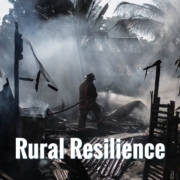
HAC offers the following resources with information for nonprofits dealing with loss and damage from tornadoes: Rural Resilience in the Face of Disaster site and Disaster Response for Rural Communities Guide.

If you are in need of emergency, transient housing, you can text SHELTER and your Zip Code to 43362 (4FEMA) to find where the shelter closest to you is located.

TIPS

Disaster Assistance Improvement Program (DAIP)
Individuals and business owners who sustained losses in the designated area can begin applying for assistance by registering online at http://www.DisasterAssistance.gov or by calling 1-800-621- 3362 or 1-800- 462-7585 TTY. The toll-free telephone numbers will operate from 7:00 a.m. to 10:00 p.m. seven days a week until further notice.

Check Your Home: Structural Elements

If your home has experienced damage, remember to the check the outside of your home before you enter. Look for loose power lines, broken or damaged gas lines, foundations cracks, missing support beams, or other damage. It may be safest to ask a building inspector of contractor to check the structure before you enter. Do not force jammed doors open, as they may be providing needed support to the rest of the home. Sniff for gas to ensure there are no natural or propane gas leaks. If you do have a propane tank system, make sure to turn off all valves and contact a propane supplier to check the system before you use it again. Check floors and ceilings to ensure they are not sagging from water damage; this can be especially hazardous. Take photographs of any damage as you may need them for insurance claims or FEMA claims later.

Federal Emergency Management Agency (FEMA)

To apply to disaster assistance funding, you must complete a multi-purpose application over the phone on FEMA’s toll-free national tele registration or online.
Toll-free helpline:
1-800-621-FEMA (3362)
For hearing impaired callers only:
1-800-462-7585 (TTY)
1-800-621-3362 (Video Relay Service)
For more information on federal aid programs visit FEMA’s website. Aid may include rental payments, home repair, unemployment payments, loans, and other assistance.

American Red Cross Disaster Service

For referrals and updates on Red Cross shelter services in your area, locate a local Red Cross office through: https://www.redcross.org/get-help.html or by calling the Public Inquiry Center at 1-800-214-0441. If an emergency has forced you to evacuate your home, the Red Cross has a list of Open Shelters on its website.

State and Local Housing Agencies

Each state has at least one agency that administers state and federal programs to promote decent affordable housing for low-income individuals. Typically, these agencies and authorities administer some aspects of state or federal programs. Below is a list of relevant organizations in states impacted by the tornadoes.

Alabama
Alabama Housing Finance Authority
7460 Halcyon Pointe Drive, Suite 200
Montgomery, AL 36117
(334) 244-9200
http://www.ahfa.com/

Arkansas
Arkansas Development Finance Authority
P.O. Box 8023
Little Rock, AR 72203-8023
(501) 682-5900
http://www.arkansas.gov/adfa

 Illinois
Illinois Housing Development Authority
111 E Wacker Drive, Suite 1000
Chicago, IL 60601
(312) 836-5200
http://www.ihda.org

Indiana
Indiana Housing and Community Development Authority
30 South Meridian Street
Suite 900
Indianapolis IN – 46204
(800) 872-0371 (Inside Indiana Only)
(317) 232-7777
https://www.in.gov/ihcda/home/

Mississippi
Mississippi Home Corporation
735 Riverside Drive
Jackson, MS 39202-1166
Phone: (601) 718-4642
Fax: (601) 718-4643
http://www.mshomecorp.com

Tennessee
Tennessee Housing Development Agency
502 Deaderick Street, Third Floor
Nashville, TN 37243
Phone: (615) 815-2200
Fax: (615) 564-2700
https://www.thda.org

Federal Emergency Management Agency Regional Offices

REGION IV
(serves Alabama, Florida, Georgia, Kentucky, Mississippi, North Carolina, South Carolina, Tennessee)
(770) 220-5200
www.fema.gov/region-iv-al-fl-ga-ky-ms-nc-sc-tn

REGION V
(serves Illinois, Indiana, Michigan, Minnesota, Ohio, and Wisconsin)
(312) 408-4427
https://www.fema.gov/about/organization/region-5

REGION VI
(serves Arkansas, Louisiana, New Mexico, Oklahoma, and Texas)
(940) 898-5399
https://www.fema.gov/about/organization/region-6

Department of Housing and Urban Development State Field Offices

Alabama
417 20th Street North,Suite 700
Birmingham, AL 35203
(205) 731 2617
Director Kenneth E. Free
https://www.hud.gov/states/alabama/offices

Arkansas
425 West Capitol Avenue, Suite 1000
Little Rock, AR 72201-3488
(501) 918-5700
Director: Wanda C. Merritt
https://www.hud.gov/states/arkansas/offices

Illinois
Ralph Metcalfe Federal Building
77 West Jackson Boulevard
Chicago, IL 60604-3507
(312) 353-6236
Director: Kimberly Danna
https://www.hud.gov/states/illinois/offices

 Indiana
Minton Capehart Federal Building
575 North Pennsylvania Street, Suite 655
Indianapolis, IN 46204
(317) 226-6303
Director: Kimberly Wize
https://www.hud.gov/states/indiana/offices

Mississippi
Dr. A. H. McCoy Federal Building
100 West Capitol Street
Room 910
Jackson, MS 39269-1096
(601) 965-4757
Director: Adrenace Williams
https://www.hud.gov/states/mississippi/offices

Tennessee
200 Jefferson Suite 300
Memphis, TN 38103
(901) 544-3367
Acting Director: Kenneth E. Free
https://www.hud.gov/states/tennessee/offices

Rural Development State Offices

Alabama
Nivory Gordon, Jr., State Director
4121 Carmichael Road, Suite 601
Montgomery, AL 36106-3683
(334) 279-3400
www.rd.usda.gov/al

Arkansas
Jill Floyd, State Director
Federal Building
700 West Capitol Avenue, Room 3416
Little Rock, AR 72201-3225
(501) 301-3216
https://www.rd.usda.gov/ar

Illinois
Betsy Dirksen Londrigan, State Director
2118 West Park Court, Suite A
Champaign, IL 61821
(217) 403-6200
https://www.rd.usda.gov/il

Indiana
Terry Goodin, State Director
5975 Lakeside Boulevard
Indianapolis, Indiana 46278
(317) 290-3100
https://www.rd.usda.gov/in

Mississippi
Trina George, State Director
Federal Building, Suite 831
100 West Capitol Street
Jackson, MS 39269
(601) 965-4316
www.rd.usda.gov/ms
 
Tennessee
Arlisa Armstrong, State Director
441 Donelson Pike, Suite 310
Nashville, TN  37214
(615) 783-1300
www.rd.usda.gov/tn

State Emergency Management Agencies

Alabama
Alabama Emergency Management Agency
5898 County Road 41
Clanton, Alabama 35046-2160
Phone: (205) 280-2476
Fax: (205) 280-2442
https://ema.alabama.gov/

Arkansas
Building 9501
Camp Joseph T. Robinson
North Little Rock, AR 72199
(501) 683-6700
https://www.dps.arkansas.gov/emergency-management/adem/

Illinois
Illinois Emergency Management Agency
2200 South Dirksen Parkway
Springfield, Illinois 62703
(217) 782-2700
24-hour Response (217) 782-7860
https://www2.illinois.gov/iema/Pages/default.aspx

Indiana
Indiana Dept. of Homeland Security
Indiana Government Center-South, Room E208
302 W. Washington St.
Indianapolis, IN 46204-2739
(317) 232-2222
https://www.in.gov/dhs/emergency-management-and-preparedness/

Mississippi
P.O. Box 5644 Pearl, Mississippi
(601) 933-MEMA
24 hour emergency line: 1-800-222-MEMA(6362)
https://www.msema.org/

Tennessee
Tennessee Emergency Management Agency
3041 Sidco Dr.
Nashville, TN 37204
(615) 741-0001
https://www.tn.gov/tema.html

Southern Tornadoes 2023 Disaster Guide

On March 24th, a supercell storm caused a major tornado that wreaked havoc on Mississippi and Alabama. A state of emergency has been declared with federal funds deployed to the affected area. As of Monday morning, 25 people have been killed, dozens injured, and 36,000 people are without power. Much of the devastation is concentrated in Rolling Fork, MS, a poor rural town with a population of about 2000. The storm was particularly destructive because of the wide nature of the tornado that occurred at night, which made it difficult to see forming. Severe weather continues on Monday.

HAC offers the following resources with information for nonprofits dealing with loss and damage from tornadoes: Rural Resilience in the Face of Disaster site and Disaster Response for Rural Communities Guide.

If you are in need of emergency, transient housing, you can text SHELTER and your Zip Code to 43362 (4FEMA) to find where the shelter closest to you is located.

TIPS

Disaster Assistance Improvement Program (DAIP)
Individuals and business owners who sustained losses in the designated area can begin applying for assistance by registering online at http://www.DisasterAssistance.gov or by calling 1-800-621- 3362 or 1-800- 462-7585 TTY. The toll-free telephone numbers will operate from 7:00 a.m. to 10:00 p.m. seven days a week until further notice.

Check Your Home: Structural Elements

If your home has experienced damage, remember to the check the outside of your home before you enter. Look for loose power lines, broken or damaged gas lines, foundations cracks, missing support beams, or other damage. It may be safest to ask a building inspector of contractor to check the structure before you enter. Do not force jammed doors open, as they may be providing needed support to the rest of the home. Sniff for gas to ensure there are no natural or propane gas leaks. If you do have a propane tank system, make sure to turn off all valves and contact a propane supplier to check the system before you use it again. Check floors and ceilings to ensure they are not sagging from water damage; this can be especially hazardous. Take photographs of any damage as you may need them for insurance claims or FEMA claims later.


RESOURCES

Apply for FEMA Assistance by registering online at www.DisasterAssistance.gov. FEMA Disaster Assistance Helpline answers questions about the help offered by FEMA, how to apply for assistance, or the information in your account.
Toll-free helpline: 1-800-621-FEMA (3362)
For hearing impaired callers only:
1-800-462-7585 (TTY)
1-800-621-3362 (Video Relay Service)
Operators are multilingual and calls are answered seven days a week from 7 a.m. to 11 p.m. ET

American Red Cross Disaster Service: For referrals and updates on Red Cross shelter services in your area, locate a local Red Cross office through: https://www.redcross.org/find-help or by calling 1-800-RED CROSS (1-800-733-2767).
The Red Cross helps disaster victims by providing safe shelter, hot meals, essential relief supplies, emotional support and health services like first aid. Trained Red Cross workers often meet one-on-one with families to develop individual plans and identify available resources to help aid recovery.


FEDERAL EMERGENCY MANAGEMENT AGENCY REGIONAL OFFICE REGION IV
(serves Alabama, Florida, Georgia, Kentucky, Mississippi, North Carolina, South Carolina, Tennessee)
Federal Emergency Management Agency
3003 Chamblee Tucker Road
Atlanta, GA 30341
Main Number: 770-220-5200
Fax Number: 770-220-5230
www.fema.gov/region-iv-al-fl-ga-ky-ms-nc-sc-tn


STATE EMERGENCY MANAGEMENT AGENCIES

Alabama
Alabama Emergency Management Agency
5898 County Road 41
Clanton, Alabama 35046-2160
Phone: (205) 280-2476
Fax: (205) 280-2442
https://www.ema.alabama.gov

Mississippi
P.O. Box 5644 Pearl, Mississippi
(601) 933-MEMA
24 hour emergency line: 1-800-222-MEMA(6362)
https://www.msema.org/


STATE HOUSING AGENCIES

Alabama
Alabama Housing Finance Authority
7460 Halcyon Pointe Drive, Suite 200
Montgomery, AL 36117
Phone: (334) 244-9200
http://www.ahfa.com/

Mississippi
Mississippi Home Corporation
735 Riverside Drive
Jackson, MS 39202-1166
Phone: (601) 718-4642
Fax: (601) 718-4643
http://www.mshomecorp.com


DEPARTMENT OF HOUSING AND URBAN DEVELOPMENT STATE FIELD OFFICES

Alabama
417 20th Street North
Suite 700
Birmingham, AL 35203
(205) 731-2617
Director Kenneth E. Free
www.hud.gov/states/alabama

Mississippi
Dr. A. H. McCoy Federal Building
100 West Capitol Street
Room 910
Jackson, MS 39269-1096
(601) 965-4757
Director: Adrenace Williams
https://www.hud.gov/states/mississippi/offices


USDA RURAL DEVELOPMENT STATE OFFICES

Alabama
4121 Carmichael Road, Suite 601
Montgomery, AL 36106-3683
Phone: (334) 279-3400
Fax: (855) 304-8456
Nivory Gordon, Jr., State Director
www.rd.usda.gov/al

Mississippi
Federal Building, Suite 831
100 West Capitol Street
Jackson, MS 39269
Phone: (601) 965-4316
Fax: (601) 965-4088
Trina George, State Director
www.rd.usda.gov/ms

Eligibility expanded for hazard mitigation revolving loan funds

FEMA’s new Safeguarding Tomorrow Revolving Loan Fund grant program has been expanded, allowing American Samoa, Guam, Northern Mariana Islands, and U.S. Virgin Islands – as well as states, D.C., and Puerto Rico – to apply for grants to capitalize revolving loan funds for resilience-related activities. Twenty Tribal Nations are now eligible to receive funds directly from FEMA, and all federally recognized Tribes are eligible to get this funding through a state. The application process opened on February 1. For more information, contact FEMA staff, askcsid@fema.dhs.gov.

Rural Communities Need More Disaster Relief

The Center for American Progress has released two reports revealing how federal disaster relief does not reach the rural communities most vulnerable to climate risk and least able to prepare for disasters.

Some initial solutions include:

  • Invest up to 20 percent of grants in building lasting capacity, such as hiring local and long-term staff.
  • Target more noncompetitive project funding to low-capacity rural communities using metrics that measure physical and social vulnerability and capacity.
  • Increase rural competitiveness for national grants by making small and appropriately designed projects eligible.
  • Align grant eligibility criteria and application requirements among federal agencies and programs.
  • Provide agency assistance to help rural communities navigate the complex process of securing federal grants.

The Daily Yonder‘s Tim Marema interviews Susan L. Cutter, a professor and director of the USC’s Hazards Vulnerability & Resilience Institute studying the science of community resilience and vulnerability, about the unique challenges rural areas face when experiencing a disaster.

Hurricane Ian Disaster Guide

Hurricane Ian hit Florida’s southwest coast as a Category 4 storm with 155 mph winds on Wednesday, September 28, 2022. Over 2.5 million residents across Florida are without power and many must boil their water. Lee and Charlotte counties were hit the hardest with major flooding and wind damage. The governor has declared a state of emergency and President Biden has ordered federal aid to support recovery efforts. The storm weakened as it moved northeast over the state and is expected to move off the coast Thursday and approach the coast of Georgia and South Carolina on Friday.

HAC offers the following resources with information for nonprofits dealing with loss and damage from Hurricane Ian: Rural Resilience in the Face of Disaster site and Disaster Response for Rural Communities Guide.

If you are in need of emergency, transient housing, you can text SHELTER and your Zip Code to 43362 (4FEMA) to find where the shelter closest to you is located.

TIPS

Please keep in mind the following safety protocols for hurricanes and flooding:

  • Only call 911 if you have an immediate need for medical attention or evacuation assistance.
  • If you can’t get through to 911 on first try, keep calling.
  • DO NOT DRIVE through high water and DO NOT DRIVE AROUND BARRICADES! Just 2 feet of water can sweep your vehicle away.
  • DO NOT WALK through flood waters. Just 6 inches of moving water can knock you down. 4
  • If your home floods, STAY THERE. You are safer at home than trying to navigate flooded streets on foot.
  • If floodwaters rise around your car but the water is NOT MOVING, abandon the car and move to higher ground. Do not leave the car and enter MOVING water.
  • STAY AWAY from streams, rivers, and creeks during heavy rainfall. These areas can flood quickly and with little warning.
  • MOVE important items – especially important documents like insurance policies – to the highest possible floor. This will help protect them from flood damage.
  • DISCONNECT electrical appliances and do not touch electrical equipment if you are wet or standing in water. You could be electrocuted.

This flooding event is a reminder that all residents in this area should carry flood insurance. Contact your insurance agent for more information about purchasing flood insurance or visit the National Flood Insurance Program at www.fema.gov/national-flood-insurance-program or call 1-888-379-9531. Please keep in mind that new insurance policies take 30 days to go into effect.

If your home has experienced damage, remember to check the outside of your home before you enter. Look for loose power lines, broken or damaged gas lines, foundations cracks, missing support beams, or other damage. It may be safest to ask a building inspector of contractor to check the structure before you enter. Do not force jammed doors open, as they may be providing needed support to the rest of the home. Sniff for gas to ensure there are no natural or propane gas leaks. If you do have a propane tank system, make sure to turn off all valves and contact a propane supplier to check the system before you use it again. Check floors and ceilings to ensure they are not sagging from water damage. This can be especially hazardous. Take photographs of any damage as you may need them for insurance claims or FEMA claims later on.

RESOURCES

Apply for FEMA Assistance by registering online at www.DisasterAssistance.gov. FEMA Disaster Assistance Helpline answers questions about the help offered by FEMA, how to apply for assistance, or the information in your account.
Toll-free helpline: 1-800-621-FEMA (3362)
For hearing impaired callers only:
1-800-462-7585 (TTY)
1-800-621-3362 (Video Relay Service)
Operators are multilingual and calls are answered seven days a week from 7 a.m. to 11 p.m. ET

American Red Cross Disaster Service: For referrals and updates on Red Cross shelter services in your area, locate a local Red Cross office through: https://www.redcross.org/find-help or by calling 1-800-RED CROSS (1-800-733-2767).
The Red Cross helps disaster victims by providing safe shelter, hot meals, essential relief supplies, emotional support and health services like first aid. Trained Red Cross workers often meet one-on-one with families to develop individual plans and identify available resources to help aid recovery.

Fannie Mae Disaster Response Network:

English

Spanish


STATE EMERGENCY MANAGEMENT AGENCIES

Florida

Florida Division of Emergency Management

2555 Shumard Oak Blvd.

Tallahassee, Florida 32399-2100

Phone: (850) 815-4000

https://www.floridadisaster.org/

Georgia

Georgia Emergency Management and Homeland Security Agency

935 United Ave. SE

Atlanta, GA 30316-0055

Phone: (404) 635-7200

https://gema.georgia.gov/locations

South Carolina

South Carolina Emergency Management Division

Phone: (803) 737-8500

https://www.scemd.org/


STATE HOUSING AGENCIES

Florida

Florida Housing Finance Corporation

227 N Bronough Street, Suite 5000

Tallahassee, FL 32301-1367

Phone: (850) 488-4197

http://www.floridahousing.org

Georgia

Georgia Department of Community Affairs / Georgia Housing and Finance Authority

60 Executive Park South NE

Atlanta, GA 30329-2231

Phone: (404) 679-4940

http://www.dca.ga.gov

South Carolina

South Carolina State Housing Finance and Development Authority

300 Outlet Pointe Boulevard, Suite C

Columbia, SC 29210

Phone: (803) 896-9001

Fax: (803) 551-4876

http://www.schousing.com


DEPARTMENT OF HOUSING AND URBAN DEVELOPMENT STATE FIELD OFFICES

Florida

    Jacksonville Field Office

Charles E. Bennett Federal Building

400 W. Bay Street, Suite 1015

Jacksonville, FL 32202

Phone: (904) 232-2627

Director: Alesia Scott-Ford

https://www.hud.gov/states/florida/offices

    Miami Field Office

Brickell Plaza Federal Building

909 SE First Avenue, Room 500

Miami, FL 33131-3028

Phone: (305) 536-4456

Director: Luis M. Rolle

Georgia

Atlanta Regional Office

Five Points Plaza Building

40 Marietta Street

Atlanta, GA 30303

Phone: (404) 331-5136

Regional Administrator: José Alvarez

Phone: (678) 732-2200

https://www.hud.gov/states/georgia/offices

South Carolina

Columbia Field Office

Dept. of Housing and Urban Development Strom Thurmond Federal Building

1835 Assembly Street, 13th Floor

Columbia, SC 29201

Phone: (803) 765-5592

Director- Kristine Foye

https://www.hud.gov/states/south_carolina


USDA RURAL DEVELOPMENT STATE OFFICES

Florida

4500 NW 27th Avenue

Suite D-2

Gainesville, FL 32606
Phone: (352) 338-3400

Director: Lakeisha Hood

https://www.rd.usda.gov/fl-vi

Georgia

Stephens Federal Building

355 E. Hancock Avenue, Stop 300

Athens, GA 30601-2768

Phone: (706) 546-2162

Director: Reggie Taylor

https://www.rd.usda.gov/ga

South Carolina

Strom Thurmond Federal Building

1835 Assembly Street, Room 1007

Columbia, SC 29201

Phone: (803) 765-5163

Director: Dr. Saundra Glover

https://www.rd.usda.gov/sc


Hurricane Fiona Disaster Guide

Información en español aqui.

Hurricane Fiona hit Puerto Rico’s southwest coast on Sunday, September 18, 2022 as a Category 1 storm. As the hurricane makes its way towards the Dominican Republic, the territory is still experiencing devastating flooding, power outages, massive landslides, and heavy rain, with as much as 30 inches of rain fall in some areas. President Joe Biden has declared a state of emergency and Puerto Rico’s governor Pedro Pierluisi says the government is working closely with FEMA as they continue to assess the damage. HAC offers the following resources with information for nonprofits dealing with loss and damage from Hurricane Fiona: Rural Resilience in the Face of Disaster site and Disaster Response for Rural Communities Guide.

Puerto Rican Officials have stated that the territory has shelters available for those that have been displaced by the storm. Although the island’s National Guard is currently conducting rescue operations, Governor Pierluisi urges residents to remain in their homes and shelters as officials work to respond to those in need.

If you or your family has been affected by Hurricane Fiona, or wish to help victims of the hurricane, organizations like Con PR Metidos, Red Cross, and Americares all have resources available. If you are in need of emergency, transient housing, you can text SHELTER and your Zip Code to 43362 (4FEMA) to find where the shelter closest to you is located.

Apply for FEMA Assistance by registering online at www.DisasterAssistance.gov. FEMA Disaster Assistance Helpline answers questions about the help offered by FEMA, how to apply for assistance, or the information in your account.
Toll-free helpline: 1-800-621-FEMA (3362)
For hearing impaired callers only:
1-800-462-7585 (TTY)
1-800-621-3362 (Video Relay Service)
Operators are multilingual and calls are answered seven days a week from 7 a.m. to 11 p.m. ET

American Red Cross Disaster Service: For referrals and updates on Red Cross shelter services in your area, locate a local Red Cross office through: https://www.redcross.org/find-help or by calling 1-800-RED CROSS (1-800-733-2767).
The Red Cross helps disaster victims by providing safe shelter, hot meals, essential relief supplies, emotional support and health services like first aid. Trained Red Cross workers often meet one-on-one with families to develop individual plans and identify available resources to help aid recovery.


DEPARTMENT OF HOUSING AND URBAN DEVELOPMENT FIELD OFFICE

Puerto Rico
San Juan Field Office
235 Federico Costa Street, Suite 200, San Juan, PR 00918
Phone: +1 787-274-5846
Director: Efraín Maldonado


USDA RURAL DEVELOPMENT  FIELD OFFICE
Camuy Sub-Area Office
EDIF 654 Plaza Suite 601
654 Ave. Munoz Rivera
San Juan, PR  00918-4129
Phone: (787) 766-5095
Director: Luis R. Garcia


STATE EMERGENCY MANAGEMENT AGENCIES

Central Office
Sr. Nino Correa Filomeno
Comisionado Interino
Email: ncorrea@prema.pr.gov
Phone: 787-724-0124

San Juan Zone
Zone Director: Sr. Jaime González
Email: jgonzalez@prema.pr.gov
Phone: 787-294-0277

Vega Baja Zone
Zone Director: Sr. Víctor Sánchez Rivera
Email: vsanchez@prema.pr.gov
Phone: 787-965-7770

Arecibo Zone
Zone Director: Sr. Juan C. Santos Santos
Email: aperez@prema.pr.gov
Phone: 787-878-9454

Aguadilla Zone
Zone Director: Sr. Elvis Morales
Email: emorales@prema.pr.gov
Phone: 787-882-6871

Mayagüez Zone
Zone Director: Sr. Alberto Trabal Alicea
Email: atrabal@prema.pr.gov
Phone: 787-833-7272

Ponce Zone
Zone Director: Sr. Paul D. Fourquet
Email: pfourquet@prema.pr.gov
Phone: 787-844-1763

Guayama Zone
Zone Director: Sr. Carlos A. Reyes
Email: careyes@prema.pr.gov
Phone: 787-864-1600

Caguas Zone
Zone Director: Sr. George L. Pacheco
Email: gpacheco@prema.pr.gov
Phone: 787-656-9643

Humacao Zone
Zone Director: Sr. Orlando Díaz flores
Email: odiaz@prema.pr.gov 
Phone: 787-852-4044

Ceiba Zone
Zone Director: Sr. Francisco Bruno Orellano
Email: fbruno@prema.pr.gov
Phone: 787-863-3330


HUD CDBG-DR grantees surveyed

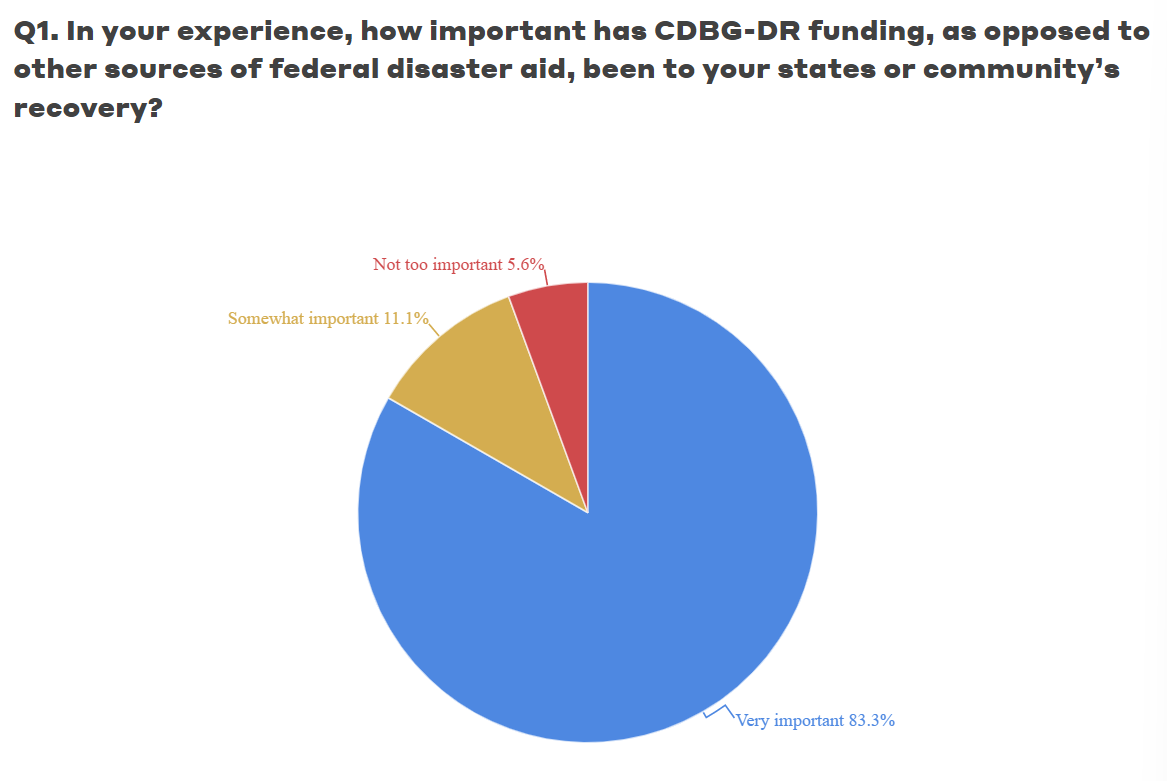
Bipartisan Policy Center surveyed CDBG-DR grantees to better support communities as they recover from disasters. Takeaways include almost all respondents found CDBG-DR funding to be somewhat or very important to their state or community’s recovery and 69 percent of survey respondents say that housing is the unmet need that CDBG-DR funding has been most important in addressing. See survey results.

Eastern Kentucky Flooding Disaster Guide

Since July 26th southeastern Kentucky has seen some of the worst flooding in the state’s history, according to Kentucky Gov. Andy Beshear. The region has received about 12 inches of rain with another two expected on Friday. So far 15 fatalities have been reported and hundreds are trapped in flooded areas. Hundreds of homes are expected to be destroyed by this flood, along with vital infrastructure in many towns and rural areas. This disaster is ongoing, and the full impacts have not been assessed yet. HAC offers the following guide as a source of information for individuals and families dealing with direct housing loss and damage from the rain and flooding. For more information, please see HAC’s disaster resources: Rural Resilience and Disaster Response for Rural Communities Guide.

If your house is inaccessible or currently uninhabitable, emergency, transient housing will likely be made available to provide immediate shelter for those in need. Organizations and resources available to assist with emergency transient housing in previous similar disasters include the Red Cross, Salvation Army, Church World Service, Mennonite Disaster Service, and state- and city-run emergency shelters. If you are in need of emergency, transient housing, you can text SHELTER and your Zip Code to 43362 (4FEMA) to find where the shelter closest to you is located.

FEMA makes available temporary assistance funding for residents of counties affected by flooding. Temporary assistance can include grants for temporary housing and home repairs, low-cost loans to cover uninsured property losses, and other programs to help individuals and business owners recover from the effects of the disaster. To see if you are eligible for funding, you can apply online at https://www.disasterassistance.gov/ or call FEMA’s toll-free helpline at 1-800-621-FEMA(3362). When applying, make sure to have a pen and paper as well as the following information: your social security number, current and pre-disaster address, a telephone number where you can be contacted, insurance information, total household income, a routing and account number from your bank if you are interested in having disaster assistance funds transferred directly into your bank account, and a description of your losses that were caused by the disaster.

Tips

Please keep in mind the following safety protocols for flooding:

  • Only call 911 if you have an immediate need for medical attention or evacuation assistance.
  • If you can’t get through to 911 on first try, keep calling.
  • DO NOT DRIVE through high water and DO NOT DRIVE AROUND BARRICADES! Just 2 feet of water can sweep your vehicle away.
  • DO NOT WALK through flood waters. Just 6 inches of moving water can knock you down.
  • If your home floods, STAY THERE. You are safer at home than trying to navigate flooded streets on foot.
  • If floodwaters rise around your car but the water is NOT MOVING, abandon the car and move to higher ground. Do not leave the car and enter MOVING water.
  • STAY AWAY from streams, rivers, and creeks during heavy rainfall. These areas can flood quickly and with little warning.
  • MOVE important items – especially important documents like insurance policies – to the highest possible floor. This will help protect them from flood damage.
  • DISCONNECT electrical appliances and do not touch electrical equipment if you are wet or standing in water. You could be electrocuted.

This flooding event is a reminder that all residents in this area should carry flood insurance. Contact your insurance agent for more information about purchasing flood insurance or visit the National Flood Insurance Program at www.fema.gov/national-flood-insurance-program or call 1-888-379-9531. Please keep in mind that new insurance policies take 30 days to go into effect.

If your home has experienced damage, remember to check the outside of your home before you enter. Look for loose power lines, broken or damaged gas lines, foundations cracks, missing support beams, or other damage. It may be safest to ask a building inspector or contractor to check the structure before you enter. Do not force jammed doors open, as they may be providing needed support to the rest of the home. Sniff for gas to ensure there are no natural or propane gas leaks. If you do have a propane tank system, make sure to turn off all valves and contact a propane supplier to check the system before you use it again. Check floors and ceilings to ensure they are not sagging from water damage. This can be especially hazardous. Take photographs of any damage as you may need them for insurance claims or FEMA claims later on.

Resources

Apply for FEMA Assistance by registering online at www.DisasterAssistance.gov. FEMA Disaster Assistance Helpline answers questions about the help offered by FEMA, how to apply for assistance, or the information in your account.

Toll-free helpline: 1-800-621-FEMA (3362)
For hearing impaired callers only:
1-800-462-7585 (TTY)
1-800-621-3362 (Video Relay Service)
Operators are multilingual and calls are answered seven days a week from 7 a.m. to 11 p.m. ET

American Red Cross Disaster Service: For referrals and updates on Red Cross shelter services in your area, locate a local Red Cross office through: https://www.redcross.org/find-help or by calling 1-800-RED CROSS (1-800-733-2767)
The Red Cross helps disaster victims by providing safe shelter, hot meals, essential relief supplies, emotional support and health services like first aid. Trained Red Cross workers often meet one-on-one with families to develop individual plans and identify available resources to help aid recovery.

STATE HOUSING AGENCY
Kentucky Housing Corporation
1231 Louisville Road, Frankfort, KY 40601
Phone:502-564-7630
Phone: 800-633-8896 (KY only)
https://www.kyhousing.org

HUD STATE FIELD OFFICE

Gene Snyder Courthouse
601 W. Broadway, Room 110
Louisville, KY 40202
Phone: (502) 582-5251
Fax: (502) 582-6074
TTY: (800) 648-6056
Email: Customer Service

USDA RURAL DEVELOPMENT STATE OFFICE

Thomas Carew, State Director
771 Corporate Drive, Suite 200
Lexington, KY 40503
Phone: (859) 224-7300
Fax: (855) 661-8335
https://www.rd.usda.gov/ky

STATE EMERGENCY MANAGEMENT AGENCY
Kentucky Emergency Management
100 Minuteman Pkwy, Frankfort, KY 40601
Phone: (800) 255-2587
https://kyem.ky.gov/Pages/default.aspx

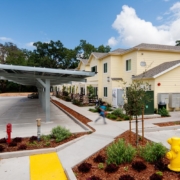
Solar panels covering parking spaces at Calistoga Family Apartmentshttps://flic.kr/p/CpXy7x The U.S. Department of Agriculture

Housing Assistance Council Receives Gift from Mackenzie Scott

Contact: Jennifer McAllister
(202) 842-8600
jennifer@ruralhome.org

Washington, DC, March 23, 2022 – The Housing Assistance Council (HAC) is pleased to announce a $7,000,000 gift from MacKenzie Scott, the largest private gift in HAC’s 50-year history. HAC will leverage this funding to establish and grow local organizations that build affordable housing in the nation’s poorest and most rural places. This gift ensures that more people and more communities will enjoy the benefits of American prosperity.

“HAC and our local partners work in small towns and rural communities to develop good quality housing that folks can afford,” said HAC CEO David Lipsetz. “Ms. Scott’s trust in our organization and encouragement to do more will help plenty of communities in need.”

“This gift helps HAC remain true to its mission,” said Maria Luisa Mercado, HAC’s Board Chair. “We will continue to be the voice for the poorest of the poor in the most rural places.”

About the Housing Assistance Council

The Housing Assistance Council (HAC) is a national nonprofit that supports affordable housing efforts throughout rural America. Since 1971, HAC has provided: below-market financing for affordable housing and community development; technical assistance and training for community-based organizations; research on life in rural places; and information for federal policy-makers on the impact of their work on rural places. To learn more, visit www.ruralhome.org.

###

Self-Determination in Tribal Housing: Reflections on NAHASDA’s Impact

Twenty-five years ago, the Native American Housing Assistance and Self-Determination Act (NAHASDA) overhauled federal housing policy for tribal lands. One of its primary goals was to respect the sovereignty of tribes by giving them more power to determine how their federal housing funding is spent. Reauthorizing NAHASDA and making targeted improvements to build upon its first twenty-five years of achievements is one of HAC’s 2022 Rural Housing Policy Priorities.

We asked four experts on housing in Indian Country to reflect on NAHASDA and its impact.


Tony Walters

Tony Walters

Tony Walters, Executive Director, National American Indian Housing Council

Washington, DC

Tony Walters explains that NAHASDA “definitely has been a success.” By expanding the capacity of tribal housing authorities to meet the needs of their communities, the act has improved the quality and quantity of tribal housing.

Under NAHASDA, tribal housing authorities receive dedicated, reliable funding. As Walters points out, this steady stream of funds has “put tribes into a position where they can build homes quickly.” It has also increased their capacity, making other federal housing programs (like the Low-Income Housing Tax Credit) more accessible. While tribes undoubtedly need increased resources to offset thirty years of flat funding, NAHASDA has put many tribal housing authorities closer to their goal of being “one stop shops” for all the housing needs of Tribe members. Simply put, there’d be fewer homes without NAHASDA, Walters explains.

Additionally, self-determination has given tribes more ability to tailor housing development to their specific needs. Unlike the former system of federally built homes, the current system allows tribes the flexibility to include important “cultural elements” like community centers and to decide the specific number and location of new homes.

“Housing is the foundation of any community,” Walters notes. While NAHASDA has helped strengthen the foundations of many communities, Walters cautions that increased funding, capacity, and cooperation between government programs are needed to prevent tribal housing projects from “falling through the cracks.” The solution, as Walters sees it, is to expand on the work of NAHASDA by strengthening capacity building and increasing resources.


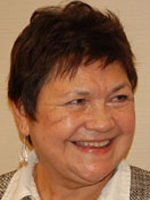
Twila Martin-KeKahbah

Twila Martin-KeKahbah

Twila Martin-Kekahbah, Turtle Mountain Band of Chippewa Indians and HAC board member

Belcourt, ND

Twila Martin-Kekahbah opposed NAHASDA when it was proposed, and still believes that the law has failed to live up to its intentions. While the homes built under the law are successes, they’re nowhere near what is needed.

As she explains, the law recognizes the importance of tribal sovereignty, but it doesn’t provide the level of financial support or assistance necessary to help tribes build their capacity. In other words, NAHASDA’s model of self-determination doesn’t work if tribes don’t have the funding or capacity to act on it. Martin-Kekahbah noted that under NAHASDA, federal experts withdrew from areas where they’d been running housing programs, leaving tribal housing authorities unprepared for the responsibilities before them.

While the intentions of the act were noble, she is left asking a challenging question: “Why would housing be so bad right now if NAHASDA was so great?”


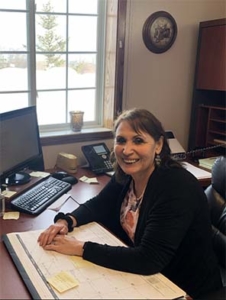
Rebecca Patnaude-Olander

Rebecca Patnaude-Olander

Rebecca Patnaude-Olander, Executive Director, Turtle Mountain Housing Authority

Belcourt, ND

Rebecca Patnaude-Olander explained that NAHASDA’s self-determination only allows her housing authority to “be self-determining within guidelines” established by the statute. The Turtle Mountain Housing Authority spends 90% of its budget on operations and upkeep of existing units, with very little left over for new development. While the choice of how to spend federal funds is useful, with so little funding, it’s a “moot point.”

Patnaude-Olander also noted concerns over the structure of funding under NAHASDA. Funding is tied to the homes in a housing authority’s portfolio, which in the case of the Turtle Mountain Housing Authority is “basically the housing stock built under the Housing Act of 1937.” When homes leave the portfolio for any reason—including when they are paid off by tribal families under previous home ownership programs or when it’s no longer feasible to continue to rehab an older unit—funding is affected and may decrease. This makes it even harder to maintain existing units, let alone develop new ones. Additionally, she noted that the law creates a “Catch 22”: many units are vacant because they are too expensive to repair, but vacant units may be subject to losing their federal funding, leaving even fewer resources to address tribal housing needs.

Still, Patnaude-Olander doesn’t have an entirely negative view of NAHASDA. As she explains, without NAHASDA, her community wouldn’t have the ability to maintain its current housing. Plus, the law’s built-in consultation mechanisms give tribes “a seat at the table” for new federal regulations. Still, the model is far from true self-determination. After all, NAHASDA’s housing programs, like all programs, “need the necessary funding allocated to effectively run them.”


Dave Castillo

Dave Castillo

Dave Castillo, CEO, Native Community Capital and HAC board member

Tempe, AZ

Dave Castillo began his career the year after NAHASDA was signed into law. As he explains it, his colleagues held the expectation that this law would open a new era in tribal housing. “NAHASDA created opportunity,” he explains, but it required tribes to seize it.

The opportunity created by NAHASDA hasn’t yet been fully actualized, in Castillo’s view. With a “severe lack of precedent” developing new properties, instead of just maintaining them, and without the necessary capacity building, many tribal housing authorities were unable to take full advantage of the opportunities before them.

Additionally, NAHASDA hasn’t completely succeeded at bringing more funding to tribal housing. Under the law’s “regressive” funding formula, housing authorities lose funding when homes leave their portfolio. Also, since there is an expectation that tribes will leverage their NAHASDA allocation with other grants or private investment—which has been difficult if not impossible to attract—many innovative tribal housing initiatives have stalled. To make matters worse, the legislation’s goal of stimulating mortgage lending on tribal trust lands has been undercut by a loophole which gives banks credit for loans made to tribal members living off-reservation.

While Castillo has seen little “recognition of [NAHASDA’s] shortcomings,” (reauthorization of the law has failed every year since 2013) the law still contains valuable opportunities. For example, it requires federal agencies to negotiate new housing rules with tribes, a process known as “negotiated rulemaking.” In the end, Castillo takes a nuanced view on NAHASDA’s legacy. It provides an incredible opportunity, yet “we are failing” to meet Indian Country’s housing needs, even with NAHASDA.

GET THE HAC NEWS!

Sign-up for HAC information products

SIGN UP HERE

Housing Assistance Council   |  1828 L Street. N.W., Suite 505, Washington, D.C. 20036
(202) 842-8600 (202) 347-3441 hac@ruralhome.org |

Board Portal

HAC is an equal opportunity provider, employer, and lender. | Civil Rights | Privacy