USDA Multi-Family Fair Housing Occupancy Report FY 2013

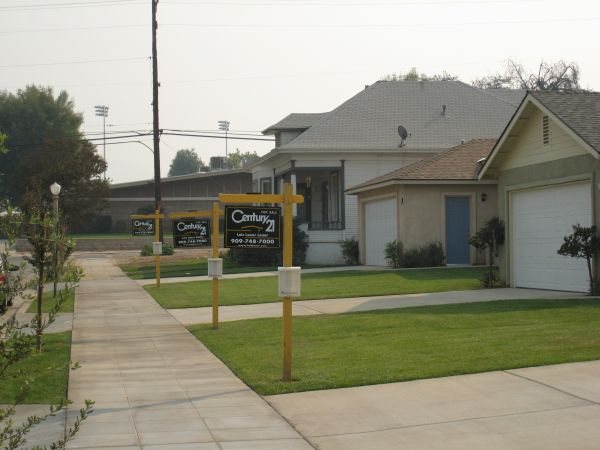
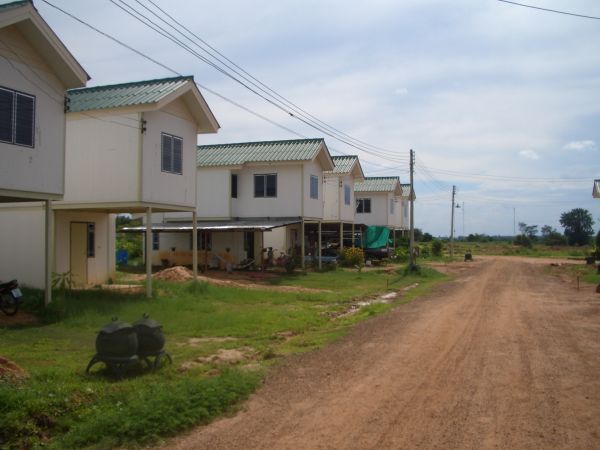
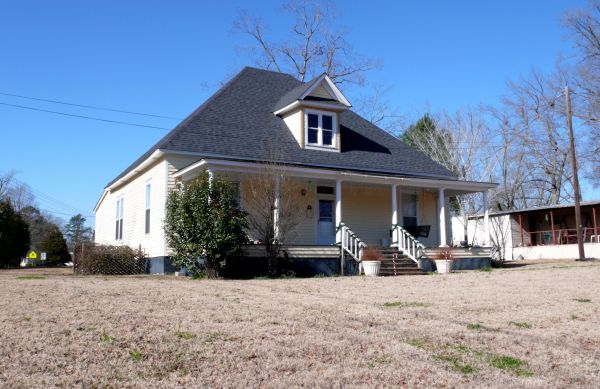
USDA’s yearly occupancy survey shows the total number of properties in USDA’s rural rental portfolio fell by 2.48% from April 2012 to September 2013, a decrease of 346 Section 515 properties and 34 Section 514 properties. The reduction covers 5,092 apartments (1.14% of total units). The 2013 report is the first to include demographic data on Section 521 Rental Assistance (RA) households, and they appear generally similar to tenants in Section 515 properties. The average annual income of Section 515 residents has increased slightly to $11,747. For Section 515 tenants with RA, average income is $9,828.

HAC News: June 25, 2014

HAC News Formats. pdf

June 25, 2014
Vol. 43, No. 13

• USDA and HUD funding stalls in Senate • HUD and OMB nominations proceed • Obama visits Standing Rock Reservation, HUD offers ICDBG funds • USDA will make rural broadband grants • ROSS funds and Choice Neighborhood Planning Grants available • Final changes made to project-based and tenant-based voucher programs • HUD implements FY14 appropriations law provisions • USDA RD to monitor Section 502 direct delinquencies more closely • Travel scholarships available for HUD CHDO workshops on new HOME rule • Rural housing obligations lag, NRHC expresses concern about 502 direct • Elders in HUD-subsidized housing have greater health needs than peers • State of the Nation’s Housing report to be released June 26

June 25, 2014
Vol. 43, No. 13

USDA AND HUD FUNDING STALLS IN SENATE. On June 19 the Senate halted progress, at least temporarily, on FY15 spending bills after Republicans and Democrats were unable to agree on a process for offering and voting on amendments to a mini-omnibus package (H.R. 4660) that combined three funding bills, including USDA and Transportation-HUD. Negotiations continue but it now appears more likely that a continuing resolution will be needed to start the new fiscal year on October 1. Both Senate and House had been moving quickly on the 2015 spending bills. The House has passed its T-HUD bill and put discussion of its USDA bill on hold indefinitely (see HAC News, 6/11/14).

HUD AND OMB NOMINATIONS PROCEED. On June 25, Senate committees voted to support the nominations of Julian Castro for HUD Secretary and Shaun Donovan for OMB director (see HAC News, 5/28/14). On June 19, the Senate confirmed Gustavo Velasquez Aguilar as HUD’s Assistant Secretary for Fair Housing and Equal Opportunity.

OBAMA VISITS STANDING ROCK RESERVATION, HUD OFFERS ICDBG FUNDS. On June 13 President and Mrs. Obama spent time in Cannonball, ND, in only the third visit by a sitting president to Indian Country. The trip focused on education and jobs; neither Obama’s announcement of the visit nor his remarks that day mentioned housing. HUD did announce its NOFA for FY14 Indian Community Development Block Grants the same day. Applications are due July 29. The contact person for the NOFA is Roberta Youmans, HUD, 202-402-3316.

USDA WILL MAKE RURAL BROADBAND GRANTS. Nonprofits, for-profits, tribes, and state or local governments are eligible for Community Connect grants to provide broadband service to areas currently without it. Deadline is July 7. Contact Rural Utilities Service, community.connect@wdc.usda.gov, 202-690-4673.

ROSS FUNDS AND CHOICE NEIGHBORHOOD PLANNING GRANTS AVAILABLE. PHAs, tribes, tribal housing entities, resident associations, and nonprofits can apply by August 18 for the Resident Opportunity and Self-Sufficiency – Service Coordinators Program to coordinate supportive services and activities for public and Indian housing residents. Contact Dina Lehmann-Kim, HUD, 202-402-2430. PHAs, tribal entities, local governments, and nonprofits can apply by August 12 for Choice Neighborhood Planning Grants to develop revitalization plans. Contact ChoiceNeighborhoods@hud.gov.

FINAL CHANGES MADE TO PROJECT-BASED AND TENANT-BASED VOUCHER PROGRAMS. The final regulation follows a proposed rule published in May 2012 (see HAC News, 5/16/12). Contact Michael Dennis, HUD, 202-402-3882.

HUD IMPLEMENTS FY14 APPROPRIATIONS LAW PROVISIONS. Changes include defining “extremely low-income families” as having incomes below the poverty level or 30% of Area Median Income, authorizing housing inspections every two years instead of annually, and capping some utility allowances. Contact Michael Dennis, HUD, 202-402-4059.

USDA RD TO MONITOR SECTION 502 DIRECT DELINQUENCIES MORE CLOSELY. An Unnumbered Letter dated June 12, 2014 requires states (not identified in the UL) with first and second year delinquency rates higher than the national average to use an Underwriting, Pre-Closing and Compliance Tool. RD will provide state offices with reports showing performance at the county level. Contact Migdaliz Bernier or Brooke Baumann, RD, 202-720-1474.

TRAVEL SCHOLARSHIPS AVAILABLE FOR HUD CHDO WORKSHOPS ON NEW HOME RULE. “CHDO Workshop: Understanding the 2013 HOME Final Rule” will be offered in many locations in July and August. Registration is free for CHDO staff. HUD has some travel scholarships available, funded partly by HAC. Contact Rachael Ballard, rballard@tdainc.org, 203-241-2410.

RURAL HOUSING OBLIGATIONS LAG, NRHC EXPRESSES CONCERN ABOUT 502 DIRECT. HAC’s latest USDA RD Program Obligation Reportshows that, as of the end of May, USDA had obligated nearly $2.9 billion less than at the same time last year. The National Rural Housing Coalition has written to RHS Administrator Tony Hernandez expressing concern about the lag in Section 502 direct commitments and supporting increased attention and improved technology for processing direct loans. Subscribe at HAC’s website to receive email notices when HAC’s obligations reports are released monthly. Contact Michael Feinberg, HAC, 202-842-8600.

ELDERS IN HUD-SUBSIDIZED HOUSING HAVE GREATER HEALTH NEEDS THAN PEERS. Picture of Housing and Health: Medicare and Medicaid Use Among Older Adults in HUD-Assisted Housing, a report financed by HUD and HHS, reviewed data for 11 metro areas and the state of Vermont. HUD-assisted residents in the study areas were more likely to be dually eligible for Medicare and Medicaid, and were also sicker and more costly to both programs than their non-subsidized peers in the community.

STATE OF THE NATION’S HOUSING REPORT TO BE RELEASED JUNE 26. The annual study, supported in part by HAC, will be released by Harvard University’s Joint Center for Housing Studies on a live webcast.

HAC News: June 11, 2014

HAC News Formats. pdf

June 11, 2014
Vol. 43, No. 12

• June is National Homeownership Month • HUD funding bills move forward, differences remain • House considers FY15 USDA bill, White House veto looms • House and Senate differ on requiring ACS responses • Section 533 HPG funds offered • USDA amends IRP regulations • Upcoming Trainings from HAC

June 11, 2014
Vol. 43, No. 12

June is National Homeownership Month. HUD and USDA press releases are online.

HUD funding bills move forward, differences remain. The full House on June 10 and the Senate Appropriations Committee on June 5 approved FY15 funding for HUD. The Senate, with many programs at 2014 levels or at the Obama budget’s level, provides higher amounts than the House for most HUD programs. Amendments adopted on the House floor prohibit funding from this bill being used for the Housing Trust Fund, forbid HUD implementation of a new Affirmatively Furthering Fair Housing rule (see HAC News, 7/17/13), shift $10 million within the Homeless Assist-ance Grants account to the Rural Housing Stability Program, and move $10 million from HUD’s information technology account to the Fair Housing Initiatives Program.[tdborder][/tdborder]

HUD Program
(dollars in millions)

FY13
Approp.a

FY14
Approp.

FY15
Admin. Budget

FY15
House Bill
H.R. 4745

FY15
Senate Bill
S. 2438

Cmty. Devel. Fund
CDBG

3,308
2,948

3,100
3,030

2,870
2,800

3,060
3,000

3,090
3,020

HOME
SHOP setaside

1,000
b

1,000
b

950
10

700
10

950
0

Self-Help Homeownshp. (SHOP)

13.5

10

c

c

10

Tenant-Based Rental Asstnce.
VASH setaside

18,939.4
75

19,177.2
75

20,100
75

19,356
75

19,562
75

Project-Based Rental Asstnce.

9,339.7

9,516.6

9,346

9,346

9,346

Public Hsg. Capital Fund

1,886

1,875

1,925

1,775

1,900

Public Hsg. Operating Fund

4,262

4,400

4,600

4,400

4,475

Choice Neighbrhd. Initiative

120

90

120

0

90

Housing Trust Fund

d

d

1,000

0

0

Native Amer. Hsg. Block Grant

650

650

650

650

650

Homeless Assistance Grantse

2,033

2,105

2,406.4

2,105

2,145

Hsg. Opps. for Persons w/ AIDS

334

330

332

303

330

202 Hsg. for Elderly

377

385.3

440

420

420

811 Hsg. for Disabled

165

126

160

135

135

Fair Housing

70.8

66

71

56

66

Healthy Homes & Lead Haz. Cntl.

120

110

120

70

110

Housing Counseling

45

45

60

45

49

a. Figures shown do not include 5% sequester. b. Funded under separate Self-Help & Assisted Homeownership Opportunity Program.
c. Funded as a setaside in HOME. d. National Housing Trust Fund is “mandatory” funding, not discretionary, so does not need to be funded through appropriations legislation, although the Administration did include it in the budget request. e. Includes Rural Housing Stability Program.

House considers FY15 USDA bill, White House veto looms. The House begins floor debate June 11 on H.R. 4800, its USDA appropriations bill. The White House issued a veto threat, based primarily on the bill’s food and nutrition provisions, and encouraged adoption of all requested changes to the Section 521 Rental Assistance program.

House and Senate differ on requiring ACS responses. The FY15 Commerce, Justice, Science and Related Agencies appropriations bill passed by the House on May 30 would make responses to the American Community Survey voluntary. On June 5 the Senate Appropriations Committee passed its companion spending bill, retaining the current requirement that those who receive the survey must respond. The ACS provides data on many subjects including housing conditions and costs, and research shows that making responses voluntary would seriously reduce the reliability of data for small areas and Indian reservations.

Section 533 HPG funds offered. Nonprofits, state or local governments, and tribes can submit preapplications by July 28 for Housing Preservation Grants. Contact a USDA RD state office for details and a preapplication package.

USDA amends IRP regulations. Changes to the Rural Business-Cooperative Service’s Intermediary Relending Program are intended to address items based on an Office of Inspector General audit and the 2014 Farm Bill. They will become final unless adverse comments are filed by August 4. Contact Lori A. Washington, RBS, 202-720-9815.

VISIT RURALHOME.ORGTO LEARN ABOUT UPCOMING HAC TRAINING AND WEBINARS on rehab, financial management, board basics, veterans housing, and more!

HAC News: May 28, 2014

HAC News Formats. pdf

May 28, 2014
Vol. 43, No. 11

• USDA funding bills advance without major cuts • House committee approves FY15 T-HUD bill • Senate committee passes housing finance reform bill • Donovan nominated for OMB, Castro for HUD • Section 538 guarantees for rental housing loans are available • Lead hazard funding NOFA issued • USDA offers Intermediary Relending Program funds • HUD allows alternative accessibility standard • HUD allows alternative accessibility standard • Housing counseling pilot proposed by FHA • 2014 OMB Circular A-133 Compliance Supplement available • National Standard for Healthy Housing released • Research briefs link housing with education, employment, health, and other outcomes • Advocates’ Guide to Housing and Community Development Policy available online and in print • Draft handbook for Section 502 guaranteed loans posted • Homelessness decreased slightly from 2012 to 2013, research finds • Rural Data Portal updated with 2008-2012 ACS Data

May 28, 2014
Vol. 43, No. 11

USDA FUNDING BILLS ADVANCE WITHOUT MAJOR CUTS. The House Agriculture Appropriations Subcommittee passed its FY15 agriculture appropriations bill on May 20, and the full House committee will consider the measure on May 29. The full Senate Appropriations Committee approved its version, S. 2389, on May 22. Both bills reject many of the Administration’s budget proposals and retain funding for Section 502 direct loans, Section 523 self-help, and the capacity-building Rural Community Development Initiative. Neither house adopted the Administration’s request for minimum rents. Both bills include language prohibiting renewal of Section 521 Rental Assistance contracts that use up their funding before their full 12-month terms. The House bill supports expansion of the demonstration packaging program for Section 502 direct loans, while the Senate bill is silent on the matter.[tdborder][/tdborder]

USDA Rural Dev. Prog.
(dollars in millions)

FY13
Approp.a

FY14
Approp.

FY15
Admin. Budget

FY15 House Subcmte. Bill

FY15 Senate
Cmte. Bill
S. 2389

502 Single Fam. Direct
Self-Help setaside

$900
5

$900
5

$360
0

$1,042
5

$900
5

502 Single Family Guar.

24,000

24,000

24,000

24,000

24,000

504 VLI Repair Loans

28

26.3

26.3

26.4

26.3

504 VLI Repair Grants

29.5

28.7

25

27

28.7

515 Rental Hsg. Direct Lns.

31.3

28.4

28.4

28.3

28.4

514 Farm Labor Hsg. Lns.

20.8

23.9

23.9

23.6

23.8

516 Farm Labor Hsg. Grts.

7.1

8.3

8.3

8.3

8.3

521 Rental Assistanceb

907.1

1,110

1,089

1,089

1,094

523 Self-Help TA

30

25

10

30

25

533 Hsg. Prsrv. Grants

3.6

3.5

0

0

3.5

538 Rental Hsg. Guar.

150

150

150

150

150

Rental Prsrv. Demo. (MPR)

17.8

20

20

20

20

Rental Prsrv. Revlg. Lns.

0

0

0

0

0

542 Rural Hsg. Vouchers

10

12.6

8

8

8

Rural Cmnty. Dev’t Init.

6.1

6

0

5

6

a. Figures shown do not include 5% sequester or 2.5% across the board cut. b. None of the FY15 documents propose RA setasides for preservation or for new Section 514/516 housing. The final FY13 appropriation included a $3 million 514/516 setaside, and the final FY14 appropriation has no setasides.

HOUSE COMMITTEE APPROVES FY15 T-HUD BILL. On May 21 the full House Appropriations Committee passed the Transportation-HUD spending bill as reported by its T-HUD subcommittee and summarized in the May 14 HAC News. The Senate subcommittee is expected to consider its bill on June 3.

SENATE COMMITTEE PASSES HOUSING FINANCE REFORM BILL. S. 1217, the Johnson-Crapo Housing Finance Reform and Taxpayer Protection Act, was approved by the Senate Committee on Banking, Housing and Urban Affairs on May 15. The full Senate is not expected to vote on the bill, however, and it has not been introduced in the House. It is likely to provide a starting point for finance reform efforts in the next Congress.

DONOVAN NOMINATED FOR OMB, CASTRO FOR HUD. President Obama has nominated HUD Secretary Shaun Donovan to head the Office of Management and Budget, and San Antonio Mayor Julián Castro to replace Donovan at HUD. Both positions require Senate confirmation.

SECTION 538 GUARANTEES FOR RENTAL HOUSING LOANS ARE AVAILABLE. Funds can be used for new construction or acquisition with rehabilitation of affordable rural rental housing, including USDA-financed properties. Applications are reviewed on a rolling basis. Contact Monica Cole, USDA, 202-720-1251.

LEAD HAZARD FUNDING NOFA ISSUED. States, local governments, and tribes can apply by June 27 for HUD’s Lead-Based Paint Hazard Control Grants or Lead Hazard Reduction Demonstration Grants. Contact Michelle Miller, HUD, 202-402-5769.

USDA OFFERS INTERMEDIARY RELENDING PROGRAM FUNDS. Intermediaries that relend funds for business facilities and community developments in rural areas can apply by June 30 for IRP loans. Contact a USDA RD state office.

HUD ALLOWS ALTERNATIVE ACCESSIBILITY STANDARD. HUD funding recipients may comply with accessibility requirements by using either the 2010 Americans with Disabilities Act Standards for Accessible Design (with specific exceptions) or the Uniform Federal Accessibility Standards. This instruction is effective from May 23 until HUD completes an update of its accessibility regulations. Contact Cheryl Kent, HUD, 202-402-7058.

HOUSING COUNSELING PILOT PROPOSED BY FHA. The Federal Housing Administration requests comments by July 14 on a four-year housing counseling pilot to be called Homeowners Armed With Knowledge (HAWK) for New Homebuyers. In exchange for participating, first-time homebuyers will get “substantial reductions” in the pricing of their FHA insurance. Email questions to housing.counseling@hud.gov with “HAWK Notice Question” in the subject line. Contact Arlene Nunes, HUD, 202-402-2532.

2014 OMB CIRCULAR A-133 COMPLIANCE SUPPLEMENT AVAILABLE. Comments on this year’s supplement are due October 31. Contact a federal awarding agency.

NATIONAL STANDARD FOR HEALTHY HOUSING RELEASED. The National Center for Healthy Housing and the American Public Health Association have issued a standard intended to be used by property owners, elected officials, code agency staff, and others. Written in code language for easy adoption, the document covers existing owner-occupied and rental housing. Contact NCHH, info@nchh.org, 410-992-0712.

RESEARCH BRIEFS LINK HOUSING WITH EDUCATION, EMPLOYMENT, HEALTH, AND OTHER OUTCOMES. Produced by the John D. and Catherine T. MacArthur Foundation’s “How Housing Matters to Families and Communities Initiative, “ the briefs present findings from longer research pieces and are intended to help inform policy discussions.

ADVOCATES’ GUIDE TO HOUSING AND COMMUNITY DEVELOPMENT POLICY AVAILABLE ONLINE AND IN PRINT. The 2014 guide published by the National Low Income Housing Coalition provides brief overviews of housing programs and advocacy tools. To purchase a print copy, contact Christina Reyes, 202-662-1530 x224.

DRAFT HANDBOOK FOR SECTION 502 GUARANTEED LOANS POSTED. The handbook accompanies the program’s interim final rule, which was issued in December 2013 and will take effect on September 1, 2014. Contact USDA RD’s Single Family Housing Guaranteed Loan Division, 202-720-1452.

HOMELESSNESS DECREASED SLIGHTLY FROM 2012 TO 2013, RESEARCH FINDS. Nevertheless, nationally there are about 184,000 more homeless persons than beds available to assist them, according to the National Alliance to End Homelessness’s State of Homelessness in America report for 2014.

HAC’s RURAL DATA PORTAL now features the most recent 2008-2012 American Community Survey (ACS) data. Visit www.ruraldataportal.org to start “taking stock” of your community today.

The RURAL DATA PORTAL is a simple, easy to use, on-line resource that provides essential information on the social, economic, and housing characteristics of communities in the United States.

The RURAL DATA PORTAL is targeted toward rural communities, but a wide range of information is presented for the nation, states, and counties for rural, suburban, and urban areas.

A Brief History of Rural Mutual Self-Help Housing in the United States

The U.S. Department of Agriculture (USDA) has been funding mutual self-help housing since the early 1960s. The self-help housing model uses homeowner contributed labor to reduce the costs of their homes. This report provides a historical overview of the USDA program, including a brief narrative summary and detailed tables, updated through Fiscal Year 2013.

HAC News: May 14, 2014

HAC News Formats. pdf

May 14, 2014
Vol. 43, No. 10

• House subcommittee approves cuts for FY15 HUD spending • Lisa Mensah nominated as USDA Under Secretary for Rural Development • CDFI Fund offers bond guarantees • CFPB proposes mortgage rule amendments • Manufactured housing label fee increase proposed • FHFA Director addresses Fannie Mae and Freddie Mac’s future • VA proposes changes, including homeless definitions, for two programs

May, 2014
Vol. 43, No. 10

House subcommittee approves cuts for FY15 HUD spending. On May 7 the House Transportation-HUD Appropriations Subcommittee passed a spending bill that reduces HOME by 30% from 2014 and cuts fair housing, HOPWA, lead-hazard control, public housing capital, and project-based rental assistance. The Center on Budget and Policy Priorities estimates the bill’s funding probably would not be enough to renew all Housing Choice Vouchers. The bill includes HUD’s SHOP program as part of HOME, following a recommendation in the President’s budget. The full House Appropriations Committee is expected to act during the week of May 19. [tdborder][/tdborder]

HUD Program
(dollars in millions)

FY13
Approp.a

FY14
Approp.

FY15
Admin. Budget

FY15
House Bill

Cmty. Devel. Fund
CDBG
Sustainable Commun. Init.
Rural Innovation Fund

3,308
2,948
0
0

3,100
3,030
0
0

2,870
2,800
0
0

3,060
3,000
0
0

HOME
SHOP setaside

1,000
b

1,000
b

950
10

700
10

Self-Help Homeownshp. (SHOP)

13.5

10

c

c

Tenant-Based Rental Asstnce.
VASH setaside

18,939.4
75

19,177.2
75

20,100
75

19,356
75

Project-Based Rental Asstnce.

9,339.7

9,516.6

9,346

9,346

Public Hsg. Capital Fund

1,886

1,875

1,925

1,775

Public Hsg. Operating Fund

4,262

4,400

4,600

4,400

Choice Neighbrhd. Initiative

120

90

120

0

Housing Trust Fund

d

d

1,000

0

Native Amer. Hsg. Block Grant

650

650

650

650

Homeless Assistance Grants

2,033

2,105

2,406.4

2,105

Rural Hsg. Stability Prog.

e

e

e

e

Hsg. Opps. for Persons w/ AIDS

334

330

332

303

202 Hsg. for Elderly

377

385.3

440

420

811 Hsg. for Disabled

165

126

160

135

Fair Housing

70.8

66

71

46

Healthy Homes & Lead Haz. Cntl.

120

110

120

70

Housing Counseling

45

45

60

45


a.
Figures shown do not include 5% sequester. b. Funded under separate Self-Help & Assisted Homeownership Opportunity Program. c. Funded as a setaside in HOME. d. National Housing Trust Fund is “mandatory” funding, not discretionary, so does not need to be funded through appropriations legislation, although the Administration did include it in the budget request. e. Funded under Homeless Assistance Grants.

Lisa Mensah nominated as USDA Under Secretary for Rural Development. Mensah, currently executive director of the Aspen Institute Initiative on Financial Security, needs to be confirmed by the Senate. Deputy Under Secretary Doug O’Brien is currently Acting Under Secretary.

CDFI Fund offers bond guarantees. Certified CDFIs can apply by June 23 to become Qualified Issuers in the CDFI Bond Guarantee Program and by June 30 to receive bond guarantees. Email bgp@cdfi.treas.gov.

CFPB proposes mortgage rule amendments. Comments are due June 5 on suggested changes including some new nonprofit exemptions and July 7 on other specified topics. Contact Pedro De Oliveira, CFPB, 202-435-7700.

Manufactured housing label fee increase proposed. Comment by June 2 on HUD’s request to raise the fee for each new section from $39 to $95-$105. Contact Pamela B. Danner, HUD, 202-708-6423.

FHFA Director addresses Fannie Mae and Freddie Mac’s future. In a May 13 speech, Mel Watt presented a strategic plan for ongoing conservatorship. He mentioned increasing activity in small multifamily properties and manufactured home communities, and did not address the not-yet-implemented duty to serve underserved markets including rural areas, or the National Housing Trust Fund.

VA proposes changes, including homeless definitions, for two programs. Comments are due June 23 on Supportive Services for Veteran Families (contact John Kuhn, 877-737-0111) and in July on Health Care for Homeless Veterans (to be published in the May 15 Federal Register; contact Robert Hallett, 781-687-3187).

HAC News: April 30, 2014

HAC News Formats. pdf

April 30, 2014
Vol. 43, No. 9

• Congress back from recess, returns to appropriations bills • April is National Financial Capability Month • HUD offers funds for Family Self-Sufficiency coordinators • Comments on Promise Zone application requested • HUD and USDA close to adopting revised energy codes • USDA RD reminds field staff of protocols for borrower credit reports • Some USDA RD single-family loan limits will change on May 1 • More than 100 groups oppose USDA minimum rents • Census Bureau reconsidering American Community Survey questions • UN committee criticizes US laws criminalizing homelessness • FDIC reports on changes in the banking industry since 1985 • Join HAC on May 23 for a webinar entitled “Practitioner’s Guide to Meeting ENERGY STAR 3.0.”

April 30, 2014
Vol. 43, No. 9

CONGRESS BACK FROM RECESS, RETURNS TO APPROPRIATIONS BILLS.Appropriations leaders in both houses have said they hope to complete FY15 appropriations bills before August 1, when Congress’s five-week summer recess begins. Both appropriations committees first need to set their 302(b) allocations, the totals for each of the 12 individual spending bills. USDA and Transportation-HUD will not be among the first bills considered.

HUD OFFERS FUNDS FOR FAMILY SELF-SUFFICIENCY COORDINATORS. Public housing authorities and Indian housing authorities can applyby May 29.

COMMENTS ON PROMISE ZONE APPLICATION REQUESTED. HUD requests comments by June 16 on its upcoming competition for the second round of Promise Zone designations. A draft Second Round Application Guide is posted at www.hud.gov/promisezones. Promise Zones do not receive specific funding, but get technical assistance to help them access federal assistance from existing programs and may receive some preferences in funding competitions. Contact Brooke Bohnet, HUD, 202-402-6693.

HUD AND USDA CLOSE TO ADOPTING REVISED ENERGY CODES. Comments are due May 30 on the agencies’ preliminary determination that two revised codes – one applicable to single-family homes and low-rise multifamily buildings, the other to high-rise multifamily – can be used for new housing. They would apply only to USDA’s Section 502 direct and guaranteed programs and to HUD’s HOME, Section 202, Section 811, public housing, Choice Neighborhoods, and FHA single-family insurance programs. ContactMeghan Walsh, USDA, 202-205-9590, or Michael Freedberg, HUD, 202-402-4366.

USDA RD REMINDS FIELD STAFF OF PROTOCOLS FOR BORROWER CREDIT REPORTS. The explanation is in an Unnumbered Letter dated March 25, 2014, which notes instances of field staff errors in checking credit histories of applicants for Section 502 direct loans.

SOME USDA RD SINGLE-FAMILY LOAN LIMITS WILL CHANGE ON MAY 1. Changes will be posted at https://www.rurdev.usda.gov/HSF-Area_Loan_Limits.htmlon or after May 1.

MORE THAN 100 GROUPS OPPOSE USDA MINIMUM RENTS. The National Low Income Housing Coalition reports that over 100 national and state organizations signed a letter to key members of Congress’s appropriations subcommittees opposing the $50 minimum rent requested in the Administration’s budget (see HAC News, 3/5/14).

CENSUS BUREAU RECONSIDERING AMERICAN COMMUNITY SURVEY QUESTIONS. Census will compare the usefulness of each ACS question to negatives such as the time needed to answer and complaints from the public. Feedback from respondents and data users will also be collected. The first topics to be reviewed are plumbing, commuting, income, and disability. The Pew Research Centerreports that ACS data, the only source of local data on topics including housing, are used to allocate significant amounts of federal funding each year.

UN COMMITTEE CRITICIZES US LAWS CRIMINALIZING HOMELESSNESS. At a session in March reviewing the United States’ record on a number of issues, the United Nations Human Rights Committee concluded that the criminalization of homelessness “raises concerns of discrimination and cruel, inhuman or degrading treatment” under the International Covenant on Civil and Political Rights. The U.S. Interagency Council on Homelessness and the National Law Center on Homelessness and Povertysummarize the issues and the reasons for addressing homelessness in a human rights context.

FDIC REPORTS ON CHANGES IN THE BANKING INDUSTRY SINCE 1985. “The Continued Resiliency and Importance of Community Banks Amid Long-Term Industry Consolidation” says the smallest and largest banks have been most impacted by consolidation. The number of small banks with assets under $100 million dropped by 85% from 1985 to 2013, and banks with assets over $10 billion have grown significantly. Least affected by consolidation are community banks – those that focus on traditional bank services with a limited geographic scope – which comprise more than 90% of FDIC-insured institutions.[tdborder][/tdborder]

JOIN HAC ON MAY 23 FOR A WEBINAR ENTITLED “PRACTITIONER’S GUIDE TO MEETING ENERGY STAR 3.0.” This one-hour session will cover ENERGY STAR fundamentals; identifying the building envelope; controlling air infiltration; insulating attics, walls, and other spaces; insulating and sealing ducts; and understanding heating and cooling units. This webinar is the first of two. The second, “Advanced ENERGY STAR,” will cover check lists, formulas, and the duties of contractors and HERS Raters. Register online.

HAC News: April 16, 2014

HAC News Formats. pdf

April 16, 2014
Vol. 43, No. 8

• House members question USDA officials about minimum rent proposal and support homeownership • April is National Financial Capability Month • USDA to hold phone or web meetings for Section 538 stakeholders • Rule proposed to implement oversight of appraisal management companies • Report makes case for homeless bills of rights • HUD releases interim report on Native American and Alaska Native housing • Entire nonmetro U.S. loses population for the first time, ERS says • State rental assistance programs study published • Health report for counties includes housing conditions for the first time • HAC reports on rural veterans’ housing • Recent blog posts cover decline of USDA housing, minimum rent proposal

April 16, 2014
Vol. 43, No. 8

HOUSE MEMBERS QUESTION USDA OFFICIALS ABOUT MINIMUM RENT PROPOSAL AND SUPPORT HOMEOWNERSHIP. At an Agriculture Appropriations Subcommittee hearing on April 4, Reps. Rosa DeLauro (D-CT) and Robert Aderholt (R-AL), the subcommittee chair, asked about the Administration’s budget’s $50 minimum rent proposal (see HAC News, 3/5/14). Housing Administrator Tony Hernandez emphasized that the request included provisions for hardship exemptions. Rep. Hal Rogers (R-KY), who is chair of the full committee, and several others criticized the budget’s low requests for Section 502 direct loans and the Section 523 self-help program. The archived webcast and written statements and testimony are available online.

APRIL IS NATIONAL FINANCIAL CAPABILITY MONTH. President Obama’s proclamation recommends consumers get free resources on managing money at www.MyMoney.gov and www.ConsumerFinance.govor call 1-888-MyMoney.

USDA TO HOLD PHONE OR WEB MEETINGS FOR SECTION 538 STAKEHOLDERS. Sessions are expected to be held in spring, July, and November. To receive notice of dates and times, register with Monica Cole, RD, 202-720-1251.

RULE PROPOSED TO IMPLEMENT OVERSIGHT OF APPRAISAL MANAGEMENT COMPANIES (AMCS). The federal agencies that oversee private lenders, along with the Consumer Financial Protection Bureau and the Federal Housing Finance Agency, request comments by June 9 on proposed regulationsfor AMCs. These are entities that serve as intermediaries for, and provide certain services to, appraisers and lenders. To be eligible to provide services for federally related transactions, AMCs and appraisers that are lender subsidiaries will have to meet federal and state standards and register in a national database. Contact Robert L. Parson, OCC, 202-649-6423.

REPORT MAKES CASE FOR HOMELESS BILLS OF RIGHTS. On April 15 the National Law Center on Homelessness & Poverty released From Wrongs to Rights: The Case for Homeless Bills of Rights Legislation.It describes the need for homeless bills of rights legislation, examines models of laws enacted and proposed in some states, and offers guidance on how to enact them.

HUD RELEASES INTERIM REPORT ON NATIVE AMERICAN AND ALASKA NATIVE HOUSING. Continuity and Change: Demographic, Socioeconomic, and Housing Conditions of American Indians and Native Alaskans,which uses secondary data sources, is part of the National Assessment of Native American, Alaska Native, and Native Hawaiian Housing Needs. The full report will include original research. The preliminary findings indicate that some socioeconomic differences between the American Indian and Alaska Native population and others have narrowed, but significant gaps persist in poverty, employment, and housing needs. Affordability is the most frequent housing problem for AIAN households, though crowding and physical inadequacy are common in some places. A separate report will cover Native Hawaiians.

ENTIRE NONMETRO U.S. LOSES POPULATION FOR THE FIRST TIME, ERS SAYS. USDA’s Economic Research Service reports that nonmetro areas in some parts of the country have experienced population loss for decades. However, 2010-13 marks the first period with an estimated population loss for nonmetro America as a whole, despite growth in some places. Some new regional patterns of growth and decline have emerged in recent years, such as growth in energy producing areas of the northern Great Plains. A Census Bureau analysisof population changes for the year ending July 1, 2013 notes this trend and others, including data for metropolitan and micropolitan places as well as nonmetro.

STATE RENTAL ASSISTANCE PROGRAMS STUDY PUBLISHED. State Funded Housing Assistance Programs,released by the Technical Assistance Collaborative, catalogs existing programs and identifies their key characteristics.

HEALTH REPORT FOR COUNTIES INCLUDES HOUSING CONDITIONS FOR THE FIRST TIME. The Robert Wood Johnson Foundation has added housing problems (cost burden, crowding, lacking plumbing or lacking kitchen) as a factor in its county health rankings. Other factors include smoking, high school graduation rates, unemployment, and many more.

HAC REPORTS ON RURAL VETERANS’ HOUSING. From Service to Shelter: Housing Veterans in Rural America, funded by the Home Depot Foundation, covers the characteristics of rural veterans and their housing, as well as issues facing them, and summarizes available housing resources. Veteran homelessness has decreased and housing conditions have improved, but rural challenges remain, such as the distance to service providers. HAC and the Home Depot Foundation hosted a symposium on serving rural veterans on April 9; materials are posted online.

RECENT BLOG POSTS COVER DECLINE OF USDA HOUSING, MINIMUM RENT PROPOSAL. “Analysis: Rural Housing Programs in Decline,” written by HAC staff for the Daily Yonder, reviews funding trends and the FY15 Administration budget request. “Obama Plan to Raise Rents on Rural Poor is the Wrong Way to Save Money,” a post on the Center on Budget and Policy Priorities blog, addresses the budget’s request to impose minimum rents on USDA tenants.

From Service to Shelter: Housing Veterans in Rural America

No veteran who has risked his or her life to protect our homes should return to find that they are not able have their own. For their sacrifice, it is imperative that we ensure our veterans have access to safe, affordable, and secure housing. This can be particularly challenging in rural America due to vast geographies, limited resources, and less social service infrastructure. The overall demographic picture of veterans will undergo major shifts in the coming years. As two wars overseas wind down, more veterans will be coming home. Returning to all corners of our nation, they will have housing needs to be addressed. The demographic changes associated with the baby boom generation and the overall graying of America will also shape veterans housing needs. The aging veteran population will have its own unique challenges. Ensuring that their housing needs are met is the least we can do to thank them for their service to this country.

HAC News: April 2, 2014

HAC News Formats. pdf

April 2, 2014
Vol. 43, No. 7

• April is National Fair Housing Month • House subcommittee hearing on FY15 RD budget set for Friday • Waters proposes GSE reform bill • USDA offers Household Water Well System grants • Deadline extended for RD environmental rules comments • NLIHC report confirms housing costs still out of reach • GAO addresses tribes’ housing challenges • New index shows wide opportunity gap for children of different races/ethnicities • Report stresses home- and community-based services for seniors • Rural housing and youth spotlighted in Rural Voices • HAC training “Housing for Seniors and Veterans in Rural America”

April 2, 2014
Vol. 43, No. 7

APRIL IS NATIONAL FAIR HOUSING MONTH. HUD offers information for download and a press release.

HOUSE SUBCOMMITTEE HEARING ON FY15 RD BUDGET SET FOR FRIDAY. At 10:00 a.m. Eastern time on April 4, USDA Rural Development officials will testify on the Administration’s FY15 budget request before the House Agriculture Appropriations Subcommittee. The hearing will be webcast. Updates will be posted on HAC’s site.

WATERS PROPOSES GSE REFORM BILL. On March 27 Rep. Maxine Waters (D-CA), Ranking Member of the House Financial Services Committee, released a discussion draft of a bill that would replace Fannie Mae and Freddie Mac with a lender cooperative and would fund the National Housing Trust Fund. It would also replace the affordable housing goals, instead requiring the cooperative to “facilitate” service to all income levels, including borrowers in underserved urban and rural markets. There are also two proposals in the Senate (see HAC News, 3/19/14) and H.R. 2767, introduced by Rep. Jeb Hensarling (R-TX), which passed the House Committee in July 2013 (see HAC News, 8/1/13).

USDA OFFERS HOUSEHOLD WATER WELL SYSTEM GRANTS. Nonprofits can use these funds to establish lending programs for homeowners, who can borrow up to $11,000 to construct or repair household water wells for existing homes. This year’s competition will give points to high-poverty places and to colonias or substantially underserved trust areas. Deadline is May 27. Contact Joyce M. Taylor, RUS, 202-720-9589.

DEADLINE EXTENDED FOR RD ENVIRONMENTAL RULES COMMENTS. Comments on environmental policies and procedures are now due May 7 instead of April 7. (See HAC News, 2/5/14.) Contact Mark S. Plank, RD, 202-720-1649.

NLIHC REPORT CONFIRMS HOUSING COSTS STILL OUT OF REACH. The National Low Income Housing Coalition’s annual Out of Reach report, prepared with HAC assistance for nonmetro data, shows a gap remains between rural rent and rural renters’ incomes. NLIHC estimates that the average hourly wage for nonmetro renters nationwide is $10.24, which falls $3 short of the Housing Wage necessary to afford a two-bedroom home at HUD’s Fair Market Rent. The nonmetro Housing Wage is out of reach for those earning the average renter wage in all but two states (Alaska and North Dakota), though the gap is very small in four other states (Arizona, Nevada, Oklahoma, and Wyoming). The report and data for states, counties, and metro areas are online, as is a HAC Rural Research Note.

GAO ADDRESSES TRIBES’ HOUSING CHALLENGES. Native American Housing: Additional Actions Needed to Better Support Tribal Efforts, GAO-14-255, is based on site visits, interviews, and sources including HAC. It states that challenges tribes face in their use of Indian Housing Block Grant funds are “largely related to remoteness and other geographical factors, land use regulations, lack of adequate infrastructure, differing federal agency requirements, potential reduction in training opportunities and program support, limited administrative capacity, conflict within tribes, and cultural factors.” GAO recommends changes such as federal agency coordination of environmental impact requirements.

NEW INDEX SHOWS WIDE OPPORTUNITY GAP FOR CHILDREN OF DIFFERENT RACES/ETHNICITIES. Race for Results: Building a Path to Opportunity for All Childrencompiles indicators on health, education, family environment, and neighborhood poverty into a single index and presents results for each state. Nationally, Asian/Pacific Islander and White children have far higher index scores than Latino and Native American children, and African-American children have the lowest. At the state level, the lowest scores were among American Indian children in South Dakota. Scores vary across states for all groups, but the range of scores is widest for American Indian children and narrowest for Latino children.

REPORT STRESSES HOME- AND COMMUNITY-BASED SERVICES FOR SENIORS. Aging in Every Place: Supportive Service Programs for High and Low Density Communities says such services are a cost-effective way to help older adults maintain their quality of life as they age in their homes. Published by the Center for Housing Policy at the National Housing Conference, the report notes that successful programs in rural places often offer transportation, use existing community centers, or bring services to the homes of those who are unable to travel.

RURAL HOUSING AND YOUTH SPOTLIGHTED IN RURAL VOICES. Looking to the Future: Housing and Youth in Rural America is the latest issue of HAC’s magazine. Sign up online for email notices when new issues are published, or request one free print subscription per organization from Dan Stern, HAC, 202-842-8600.

JOIN HAC APRIL 22-23 FOR “HOUSING SENIORS AND VETERANS IN RURAL AMERICA: PRESERVATION, DEVELOPMENT, AND SERVICES,” held in Phoenix, AZ. The agenda, targeted to rural housing providers, will feature discussions of federal and other housing programs for veterans and the aging, including home repair, rental housing, and services for the homeless. Successful best practices will be featured. Register online.

GET THE HAC NEWS!

Sign-up for HAC information products

SIGN UP HERE

Housing Assistance Council   |  1828 L Street. N.W., Suite 505, Washington, D.C. 20036
(202) 842-8600 (202) 347-3441 hac@ruralhome.org |

Board Portal

HAC is an equal opportunity provider, employer, and lender. | Civil Rights | Privacy