Ohio River Valley and Mississippi Valley Floods Rural Response Guide

Rural Response Guide

Ohio River Valley and Mississippi Valley Floods

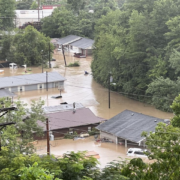
Heavy rainfall led to extreme flooding throughout the states along the Ohio River Valley and the Mississippi Valley beginning on Wednesday, April 2, 2025. Flash flood emergency and tornado warnings were issued through the following Saturday in Arkansas, Mississippi, Tennessee, and Kentucky. In response to the storms, the governors of Arkansas and Kentucky declared a state of emergency. President Trump approved the governor of Kentucky’s request for an emergency disaster declaration which allowed for Federal Emergency Management Agency (FEMA) assistance to be made available in Kentucky. The Housing Assistance Council (HAC) offers the following resources with information for communities and organizations dealing with loss and damage from the recent flooding: Rural Resilience in the Face of Disaster site and Disaster Response for Rural Communities Guide.

In response to the flooding, the National Weather Service issued Flash Flood Emergencies in multiple states. The American Red Cross of Utah’s disaster team deployed to the affected states to provide recovery and rescue efforts.

If you or your family have been affected by the recent flooding, or wish to help victims, organizations like The American Red Cross, All Hands and Hearts, and The Salvation Army have resources available. If you are in need of emergency, transient housing, you can text SHELTER and your Zip Code to 43362 (4FEMA) to find where the shelter closest to you is located.

Apply for FEMA Assistance by registering online at www.DisasterAssistance.gov. FEMA Disaster Assistance Helpline answers questions about the help offered by FEMA, how to apply for assistance, or the information in your account.

Toll-free helpline: 1-800-621-FEMA (3362) For hearing impaired callers only: 1-800-462-7585 (TTY) 1-800-621-3362 (Video Relay Service) Operators are multilingual and calls are answered seven days a week from 7 a.m. to 11 p.m. ET

American Red Cross Disaster Service: For referrals and updates on Red Cross shelter services in your area, locate a local Red Cross office through: https://www.redcross.org/find-help or by calling 1-800-RED CROSS (1-800-733-2767) The Red Cross helps disaster victims by providing safe shelter, hot meals, essential relief supplies, emotional support and health services like first aid. Trained Red Cross workers often meet one-on-one with families to develop individual plans and identify available resources to help aid recovery.

EMERGENCY MANAGEMENT AGENCIES

Arkansas

Arkansas Division of Emergency Management

Phone: (501) 683-6700

https://dps.arkansas.gov/emergency-management/adem/

Kentucky

Kentucky Emergency Management

Phone: (800) 255-2587

https://kyem.ky.gov/Pages/contact.aspx

Mississippi

Mississippi Emergency Management Agency

Phone: (601) 993-6362

https://www.msema.org/

Ohio

Ohio Emergency Management Agency

Phone: (614) 889-7150

https://ema.ohio.gov/help-center/contact-us

Tennessee

TN Emergency Management Agency

Phone: (615) 741-0001

https://www.tn.gov/tema.html

Texas

Texas Department of Emergency Management

Phone: (512) 424-2208

https://www.tdem.texas.gov/about/contact

DEPARTMENT OF HOUSING AND URBAN DEVELOPMENT STATE FIELD OFFICES

Arkansas

Little Rock Field Office

600 West Capitol Ave

Richard Arnold Sheppard US Courthouse

Room A400

Little Rock, AR 72201

Phone: (501) 918-5700

Field Office Director: Reginald D. Marable, Sr.

https://www.hud.gov/states/arkansas

Kentucky

Louisville Field Office

601 W Broadway, Room 110

Louisville, KY 40202

Phone: (502) 582-5251

Field Office Director: Charles E. President Jr.

https://www.hud.gov/states/kentucky

Mississippi

Jackson Field Office

100 W. Capitol Street, Suite 910

Jackson, MS 39269

Phone: (601) 965-4757

Field Office Director: Adrenace Williams

https://www.hud.gov/states/mississippi

Ohio

Cleveland Field Office

1001 Lakeside Ave, Suite 350

Cleveland, OH 44114

Phone: (216) 357-7900

Field Office Director: Kevin Laviano

https://www.hud.gov/states/ohio

Tennessee

Knoxville Field Office

US Department of Housing and Urban Development
John J. Duncan Federal Building
710 Locust Street, Suite 300
Knoxville, TN 37902-2526

Phone: (865) 545-4370

Field Office Director: Walter N. Perry

https://www.hud.gov/states/tennessee

Texas

Houston Field Office

1331 Lamar Street, Suite 550
Houston, TX 77010

Phone: (713) 718-3199

Field Office Director: Eric R. Cobb

Fort Worth Regional Office

307 W 7th Street, Suite 1000

Fort Worth, TX 76102

Phone: (817) 978-5965

San Antonio Field Office

615 E Houston Street

San Antonio, TX 78205

Phone: (210) 475-6800

https://www.hud.gov/states/texas

USDA RURAL DEVELOPMENT STATE OFFICES

Arkansas

700 West Capitol, Room 3416
Little Rock, AR 72201-3225

Phone: (501) 301-3216

https://www.rd.usda.gov/ar

Kentucky

771 Corporate Drive, Suite 200

Lexington, KY 40503

Phone: (859) 224-7300

https://www.rd.usda.gov/ky

Mississippi

100 W. Capitol Street, Suite 831

Jackson, MS 39269

Phone: (601) 965-4316

https://www.rd.usda.gov/ms


Ohio

200 North High Street, Room 507

Columbus, OH 43215

Phone: (614) 255-2400

https://www.rd.usda.gov/oh


Tennessee

441 Donelson Pike, Suite 310
Nashville, TN 37214

Phone: (615) 783-1300

https://www.rd.usda.gov/tn

Texas

101 South Main Street, Suite 102

Temple, Texas 76501

Phone: (254) 742-9700

https://www.rd.usda.gov/tx

Central Appalachia Floods Rural Response Guide

Central Appalachia Floods

In Eastern Kentucky rainfall began on Friday, February 14, 2025, which led to devastating flooding throughout the area over the weekend. The severe storms and flooding also impacted Southwest Virginia, Tennessee, and West Virginia. Thousands have been left without power after the storms. HAC offers the following resources with information for communities and organizations dealing with loss and damage from the recent flooding: Rural Resilience in the Face of Disaster site and Disaster Response for Rural Communities Guide 

In response to the flooding, President Trump approved an emergency declaration for the state of Kentucky. The action authorizes the Federal Emergency Management Agency (FEMA) and the Department of Homeland Security to coordinate disaster relief efforts. In addition to these resources, the Kentucky National Guard has assisted with the evacuation of residents. 

Resources for Individuals

If you or your family have been affected by the recent flooding, or wish to help victims, organizations like The American Red Cross, Appalachian Regional Healthcare (ARH) Foundation Relief Fund, and The United Way of Southern West Virginia have resources available. If you are in need of emergency, transient housing, you can text SHELTER and your Zip Code to 43362 (4FEMA) to find where the shelter closest to you is located. 

Apply for FEMA Assistance by registering online at www.DisasterAssistance.gov. FEMA Disaster Assistance Helpline answers questions about the help offered by FEMA, how to apply for assistance, or the information in your account. 

Toll-free helpline: 1-800-621-FEMA (3362) For hearing impaired callers only: 1-800-462-7585 (TTY) 1-800-621-3362 (Video Relay Service) Operators are multilingual and calls are answered seven days a week from 7 a.m. to 11 p.m. ET 

American Red Cross Disaster Service: For referrals and updates on Red Cross shelter services in your area, locate a local Red Cross office through: https://www.redcross.org/find-help or by calling 1-800-RED CROSS (1-800-733-2767) The Red Cross helps disaster victims by providing safe shelter, hot meals, essential relief supplies, emotional support and health services like first aid. Trained Red Cross workers often meet one-on-one with families to develop individual plans and identify available resources to help aid recovery. 

EMERGENCY MANAGEMENT AGENCIES

Kentucky  

Kentucky Emergency Management  

Phone: (800) 255-2587 

https://kyem.ky.gov/Pages/contact.aspx 


Tennessee 

TN Emergency Management Agency  

Phone: (615) 741-0001 

https://www.tn.gov/tema.html  


Virginia 

Virginia Department of Emergency Management  

Phone: (804) 267-7600 

https://www.virginia.gov/agencies/department-of-emergency-management/ 


West Virginia  

West Virginia Emergency Management Division  

Phone: (304) 558-5380  

https://emd.wv.gov/Preparedness/Pages/Emergency-Information-.aspx 

DEPARTMENT OF HOUSING AND URBAN DEVELOPMENT STATE FIELD OFFICES

Kentucky 

Louisville Field Office 

601 W Broadway, Room 110 

Louisville, KY 40202 

Phone: (502) 582-5251 


Field Office Director: Charles E. President Jr.  

https://www.hud.gov/ky#LocalOffice 


Tennessee 

Knoxville Field Office 

US Department of Housing and Urban Development
John J. Duncan Federal Building
710 Locust Street, Suite 300
Knoxville, TN 37902-2526 

Phone: (865) 545-4370 


Field Office Director: Walter N. Perry 

https://www.hud.gov/states/tennessee#LocalOffice 


Virginia 

Richmond Field Office 

600 East Broad Street, 3rd Floor
Richmond, VA 23219-4920 

Phone: (800) 842-2610 


Field Office Director: Carrie S. Schmidt 

https://www.hud.gov/va#LocalOffice 


West Virginia 

Charleston Field Office 

414 Summers St 

Charleston, WV 25301 

Phone: (304) 347-7000 


Field Office Director: Julie Alston 

https://www.hud.gov/wv#LocalOffice 

USDA RURAL DEVELOPMENT STATE OFFICES

Kentucky 

771 Corporate Drive, Suite 200 

Lexington, KY 40503 

Phone: (859) 224-7300 

https://www.rd.usda.gov/ky 

Tennessee 

441 Donelson Pike, Suite 310
Nashville, TN 37214 

Phone: (615) 783-1300 

https://www.rd.usda.gov/tn 

Virginia 

1606 Santa Rosa Road, Suite 238
Richmond, VA  23229 

Phone: (804) 287-1500  

https://www.rd.usda.gov/va 

West Virginia 

1550 Earl Core Road, Suite 101 

Morgantown, WV 26505 

Phone: (800) 295-8228 

https://www.rd.usda.gov/wv 

Relocations and Insurance Cost Increases are Leading to Falling Property Values, Report Says

First Street’s 12th National Risk Assessment: Property Prices in Peril estimates that by 2055, 84 percent of all U.S. census tracts may experience some form of negative property worth impacts from climate risk. A total of $1.47 trillion in net property value could be lost due to insurance pressures and shifting consumer demand. Greater frequency and intensity of natural disasters has already resulted in a steady increase in the overall cost of homeownership, the report explains. Insurance costs are rising dramatically faster than mortgage payments; from 2013 to 2022, insurance costs climbed from 7-8 percent of mortgage payments to over 20 percent. Additional financial burdens are created by increases in utility bills and maintenance costs. First Street projects that as a result over 55 million Americans will voluntarily relocate within the U.S. to areas less vulnerable to climate risks by 2055, starting with 5.2 million in 2025. Climate migration will intensify some existing migration patterns, the model predicts, and will particularly accelerate rural-to-urban movement because rural places are less resilient to disasters.

Resilience Related Federal Register Items – January 13, 2025

Rural communities are often on the front lines of disaster recovery, requiring clear guidance and timely access to resources.

To support these efforts, we’re sharing two important updates: HUD’s “CDBG-DR Universal Notice” and FEMA’s updated Public Assistance Program and Policy Guide. These resources provide vital information to help rural governments, nonprofits, and communities navigate the complexities of disaster recovery and build resilience.

This “CDBG-DR Universal Notice: Waivers and Alternative Requirements” describes the processes, procedures, timelines, waivers, and alternative requirements that HUD intends to implement with each allocation of CDBG-DR. When CDBG-DR funds are appropriated, HUD will publish an Allocation Announcement Notice in the Federal Register that incorporates the waivers and alternative requirements provided in the Universal Notice, as appropriate, along with any other new requirements imposed by the specific appropriation. The Universal Notice is intended to provide grantees and the public with increased transparency, consistency, and more timely access to CDBG-DR funds. The Universal Notice, which serves essentially the same function as program regulations, incorporates public feedback from a 2022 request for information and is intended to improve the program in a variety of ways.

FEMA has updated its Public Assistance Program and Policy Guide. The PA program assists governments and nonprofits.

Hurricane Helene Disaster Guide

Hurricane Helene made an impact in northwestern Florida on Thursday night, September 26, 2024 as a Category 4 storm. The hurricane made its way through Florida’s Gulf Coast to Tennessee. There are reports of destruction, power outages, and flooding that reaches over 600 miles. HAC offers the following resources with information for communities and organizations dealing with loss and damage from Hurricane Helene: Rural Resilience in the Face of Disaster site and Disaster Response for Rural Communities Guide.

At President Biden’s direction this past weekend, the FEMA Administrator has begun to survey the damages with local and state officials in Florida, Georgia, North Carolina, and Tennessee. The President approved Major Disaster declarations for the states of Florida and North Carolina which allows survivors to immediately access funds and resources for their recovery. Emergency declarations were also stated for Florida, North Carolina, South Carolina, Tennessee, Georgia, Virginia, and Alabama. These emergency declarations allow FEMA to provide direct Federal support and other protective measures to affected states.

On Sunday, September 29, 2024, more than 3,300 rescue personnel were deployed across the Federal workforce. These resources are deployed to support relief efforts across the effected states and to address unmet needs. Though Hurricane Helene is no longer active, many are still without power and are in the process of seeking safety.

If you or your family has been affected by Hurricane Helene, or wish to help victims of the hurricane, organizations like All Hands and Hearts, The American Red Cross, and Americares all have resources available. If you are in need of emergency, transient housing, you can text SHELTER and your Zip Code to 43362 (4FEMA) to find where the shelter closest to you is located

Apply for FEMA Assistance by registering online at www.DisasterAssistance.gov. FEMA Disaster Assistance Helpline answers questions about the help offered by FEMA, how to apply for assistance, or the information in your account.

Toll-free helpline: 1-800-621-FEMA (3362) For hearing impaired callers only: 1-800-462-7585 (TTY) 1-800-621-3362 (Video Relay Service) Operators are multilingual and calls are answered seven days a week from 7 a.m. to 11 p.m. ET

American Red Cross Disaster Service: For referrals and updates on Red Cross shelter services in your area, locate a local Red Cross office through: https://www.redcross.org/find-help or by calling 1-800-RED CROSS (1-800-733-2767) The Red Cross helps disaster victims by providing safe shelter, hot meals, essential relief supplies, emotional support and health services like first aid. Trained Red Cross workers often meet one-on-one with families to develop individual plans and identify available resources to help aid recovery.

Watch “Preparing your Organization for Disaster: A Guide to Rural Resilience” Webinar

EMERGENCY MANAGEMENT AGENCIES

Alabama

Alabama Emergency Management Agency

Phone: 205-280-2200

https://ema.alabama.gov/contacts/

Georgia

Georgia Emergency Management and Homeland Security Agency

935 United Ave. SE

Atlanta, GA 30316-0055

Phone: 404-635-7200

https://gema.georgia.gov/locations

Florida

Florida Division of Emergency Management

2555 Shumard Oak Blvd.

Tallahassee, Florida 32399-2100

Phone: 850-815-4000

https://www.floridadisaster.org/

North Carolina

North Carolina Emergency Management

Phone: 919-825-2500

https://www.ncdps.gov/our-organization/emergency-management

Tennessee

TN Emergency Management Agency

Phone: 615-741-0001

https://www.tn.gov/tema.html

South Carolina

South Carolina Emergency Management Division

Phone: 803-737-8500

https://www.scemd.org/

Virginia

Virginia Department of Emergency Management

Phone: 804-267-7600

https://www.virginia.gov/agencies/department-of-emergency-management/

DEPARTMENT OF HOUSING AND URBAN DEVELOPMENT STATE FIELD OFFICES

Alabama

Birmingham Field Office

417 20th Street North, Suite 700
Birmingham, AL 35203

Phone: (205) 731-2630

Field Office Director: Kenneth E. Free

https://www.hud.gov/states/alabama/offices

Georgia

Atlanta Regional Office

Martin Luther King Jr. Federal Building (MLK FOB)
77 Forsyth Street SW
Atlanta, GA 30303

Phone: (404) 331-5136

Georgia Field Office Director: Shea Johnson

https://www.hud.gov/states/georgia/offices

Florida

Miami Field Office
Brickell Plaza Federal Building
909 SE First Avenue, Room 500
Miami, FL 33131-3028

Phone: (305) 536-4456

Acting Field Office Director: Tiffany Cobb

Jacksonville Field Office

Charles East Bennett Federal Building

400 West Bay Street, Suite 1015

Jacksonville, FL 32202

Phone: (904) 232-2627

Field Office Director: Alesia Scott-Ford

https://www.hud.gov/states/florida/offices

North Carolina

Greensboro Field Office

Asheville Building
1500 Pinecroft Road, Suite 401
Greensboro, NC 27407-3838

Phone: (336) 547-4000

Field Office Director: Lorenzo Claxton

https://www.hud.gov/states/north_carolina/offices


Tennessee

Knoxville Field Office

US Department of Housing and Urban Development
John J. Duncan Federal Building
710 Locust Street, Suite 300
Knoxville, TN 37902-2526

Phone: (865) 545-4370

Field Office Director: Walter N. Perry

https://www.hud.gov/states/tennessee/offices


South Carolina

Columbia Field Office
Strom Thurmond Federal Building
1835 Assembly Street, 13th Floor
Columbia, SC 29201-2480

Phone: (803) 765-5592

Field Office Director: Kristine G. Foye

https://www.hud.gov/states/south_carolina/offices

Virginia

Richmond Field Office

600 East Broad Street, 3rd Floor
Richmond, VA 23219-4920

Phone: (800) 842-2610

Field Office Director: Carrie S. Schmidt

https://www.hud.gov/states/virginia/offices

USDA RURAL DEVELOPMENT STATE OFFICES

Alabama

4121 Carmichael Road, Suite 601
Montgomery, AL 36106

Phone: 334-279-3400

https://www.rd.usda.gov/al

Georgia

355 East Hancock Avenue, Room 300

Athens, Ga 30601

Phone: 404- 635-7200

https://www.rd.usda.gov/ga/georgia-contacts

Florida

4500 NW 27th Avenue

Suite D-2

Gainesville, FL 32606

Phone: 352-338-3400

https://www.rd.usda.gov/fl-vi

North Carolina

4405 Bland Road, Suite 260

Raleigh, NC 27609

Phone: 919-873-2000

https://www.rd.usda.gov/nc

Tennessee

441 Donelson Pike, Suite 310
Nashville, TN 37214
Phone: 615-783-1300

https://www.rd.usda.gov/tn/tennessee-contacts

South Carolina

Strom Thurmond Federal Building

1835 Assembly Street, Room 1007

Columbia, SC 29201

Phone: 803-765-5163

https://www.rd.usda.gov/sc

Virginia

1606 Santa Rosa Road, Suite 238
Richmond, VA  23229
Phone: 804-287-1500

https://www.rd.usda.gov/va/virginia-contacts

DEPARTMENT OF HOUSING AND URBAN DEVELOPMENT STATE FIELD OFFICES

Alabama

Birmingham Field Office

417 20th Street North, Suite 700
Birmingham, AL 35203

Phone: (205) 731-2630

Field Office Director: Kenneth E. Free

https://www.hud.gov/states/alabama/offices

Georgia

Atlanta Regional Office

Martin Luther King Jr. Federal Building (MLK FOB)
77 Forsyth Street SW
Atlanta, GA 30303

Phone: (404) 331-5136

Georgia Field Office Director: Shea Johnson

https://www.hud.gov/states/georgia/offices

Florida

Miami Field Office
Brickell Plaza Federal Building
909 SE First Avenue, Room 500
Miami, FL 33131-3028

Phone: (305) 536-4456

Acting Field Office Director: Tiffany Cobb

Jacksonville Field Office

Charles East Bennett Federal Building

400 West Bay Street, Suite 1015

Jacksonville, FL 32202

Phone: (904) 232-2627

Field Office Director: Alesia Scott-Ford

https://www.hud.gov/states/florida/offices

North Carolina

Greensboro Field Office

Asheville Building
1500 Pinecroft Road, Suite 401
Greensboro, NC 27407-3838

Phone: (336) 547-4000

Field Office Director: Lorenzo Claxton

https://www.hud.gov/states/north_carolina/offices


Tennessee

Knoxville Field Office

US Department of Housing and Urban Development
John J. Duncan Federal Building
710 Locust Street, Suite 300
Knoxville, TN 37902-2526

Phone: (865) 545-4370

Field Office Director: Walter N. Perry

https://www.hud.gov/states/tennessee/offices


South Carolina

Columbia Field Office
Strom Thurmond Federal Building
1835 Assembly Street, 13th Floor
Columbia, SC 29201-2480

Phone: (803) 765-5592

Field Office Director: Kristine G. Foye

https://www.hud.gov/states/south_carolina/offices

Virginia

Richmond Field Office

600 East Broad Street, 3rd Floor
Richmond, VA 23219-4920

Phone: (800) 842-2610

Field Office Director: Carrie S. Schmidt

https://www.hud.gov/states/virginia/offices

Preparing for Disaster in Rural America

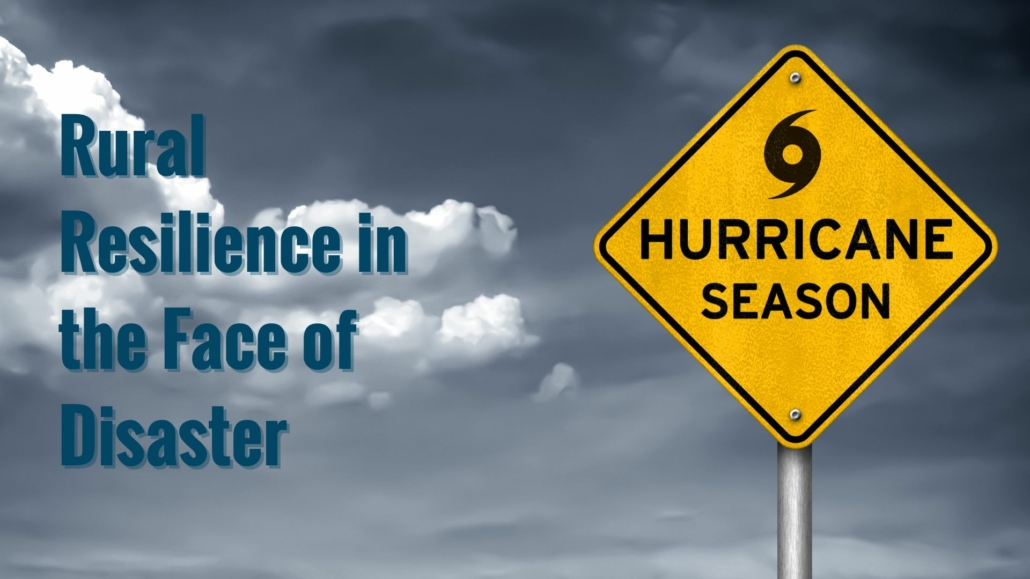
Preparing for a Challenging Hurricane Season: Essential Resources for Rural Communities

As we enter an intensifying period of what is projected to be a particularly severe hurricane season, according to NOAA, it’s crucial for rural communities to be vigilant and prepared. The frequency of billion-dollar disasters has been on the rise, underscoring the growing impact of extreme weather events on communities across the country. With this context, it’s more important than ever for rural areas to bolster their resilience and readiness to face potential disasters.

For rural communities and nonprofits, preparation is key to mitigating the impact of disasters. At the Housing Assistance Council (HAC), we emphasize the importance of being proactive. Our Rural Resilience in the Face of Disaster resource provides guidance on preparing for, responding to, and recovering from disasters. This resource is tailored to the unique challenges faced by rural areas, offering practical advice and tools for communities.

Disaster Readiness involves understanding the potential risks and having a plan in place. Rural communities and organizations should assess their vulnerabilities and develop strategies to protect their residents and infrastructure. This includes creating evacuation plans, securing critical supplies, and ensuring communication systems are robust. Our readiness guide provides detailed steps and resources to help communities prepare effectively. By taking these actions, rural areas can reduce the risk of harm and ensure they are better equipped to handle the immediate aftermath of a disaster.

Disaster Response is about immediate action and support once a disaster strikes. Nonprofits play a critical role in this phase by providing essential services such as emergency shelter, food, and medical care. They can also assist in coordinating local response efforts and communicating with residents. Our response guide outlines best practices for nonprofits to follow, ensuring they can quickly mobilize and offer the necessary support to their communities. Effective disaster response can save lives and help stabilize the situation, paving the way for recovery efforts.

Disaster Recovery focuses on rebuilding and restoring the community over the long term. This process can be lengthy and complex, but it is vital for the long-term resilience of rural areas. Recovery efforts should address not only the physical reconstruction of homes and infrastructure but also the emotional and economic recovery of residents. A comprehensive approach to recovery helps create a thriving community in the wake of the disaster.

To further support your organization’s preparedness, we encourage you to utilize HAC’s Business Continuity and Disaster Recovery Template. This template helps organizations develop plans to maintain operations during and after a disaster, ensuring they can continue to serve their communities when they are needed most.

As we navigate this hurricane season, we urge everyone to stay safe and healthy. Enjoy your summers but make sure to take time to ready yourself and be vigilant. Together, we can build a stronger, more resilient rural America.


HAC's Rural Resilience in the Face of Disaster can help your organization prepare this hurricane season.

Report Released on Natural Hazards and Federally Assisted Housing

The National Low Income Housing Coalition (NLIHC) and the Public and Affordable Housing Research Corporation (PAHRC) released today a joint report, Natural Hazards and Federally Assisted Housing, that analyzes the risks that natural hazards pose to federally assisted housing and its residents. Federally assisted housing and its residents must be protected against climate change and the growing threat of natural hazards through better planning and stronger investments in resilience.

Resilience and Recovery: Insights from the July 2022 Eastern Kentucky Flood

A new report from the Cleveland Federal Reserve Bank focuses on the 13 counties declared federal disaster areas and examines the flood’s impact on the region’s housing.

Key findings

  • Cost of flood insurance can be prohibitive. The average cost of homeowners insurance and a flood insurance policy could account for around 7 percent of the median household income in the counties impacted by the 2022 eastern Kentucky flood. These policies can be expensive, particularly for low-income households, leading them to go without. Evidence of these difficult decisions can be found in the fact that only 5 percent of damaged homes had flood insurance, and households earning $30,000 or less per year accounted for 60 percent of damaged homes.
  • Floods exacerbate affordable housing shortages. Nearly 9,000 housing units were affected by the flood, with 74 percent of the damage occurring in just four counties (Breathitt, Knott, Letcher, and Perry), comprising 22 percent of their occupied housing units. Research finds that low-income households and renters are more likely to suffer permanent displacement because they often have fewer relocation options and lower-quality housing is more likely to be demolished instead of being rebuilt. These points are particularly relevant in these 13 flood-impacted counties where, in 2021, 37 percent of households, including 55 percent of renters, made less than $25,000 per year.
  • Floods increase population out-migration, which, in turn, impacts the local labor force. In the four hardest hit counties (Breathitt, Knott, Letcher, and Perry), an analysis of United States Postal Service (USPS) Vacancy Data shows that residential vacancies increased by 19 percent from the third to the fourth quarter in 2022. This is in addition to an average population decline of 600 people per year going back to 1984. Fewer residents mean fewer people available to fill jobs.
  • The pre-existing weakness of local labor markets will likely impact housing recovery, particularly due to a lack of available workforce in skilled trades. Prior to the July 2022 flood, the region experienced unemployment rates consistently higher than the national rate. In the region, the construction sector, key to the housing recovery, has declined by 24 percent (1,759 jobs) from its 2001 peak to 2022. Only coal mining and financial activities employment saw greater declines. This shortage of skilled trades workers, such as carpenters, electricians, and plumbers, has led to a backlog of people waiting to get their homes repaired or replaced.

For more information and to read the report, visit Resilience and Recovery: Insights from the July 2022 Eastern Kentucky Flood.

HUD Rolls Out 29 Waivers to Accelerate Hurricane Idalia Recovery Efforts in Florida

The U.S. Department of Housing and Urban Development (HUD)  announced today a package of 29 regulatory and administrative waivers aimed at helping communities in Florida accelerate their recovery from Hurricane Idalia.

The regulatory and administrative relief announced covers the following HUD programs: Community Development Block Grant (CDBG), HOME Investment Partnerships (HOME), Housing Trust Fund (HTF), Housing Opportunities for Persons with AIDS (HOPWA), Emergency Solutions Grant (ESG), Continuum of Care (CoC), and Youth Homelessness Demonstration Program (YHDP).

To expedite the use of these funds, HUD’s state and local partners can now access a waiver through a new simplified notification process. Through this waiver package, HUD is providing flexibility by:

  • Allowing new housing construction with CDBG funding in declared disaster areas.
  • Suspending the CDBG public services cap to provide additional support services related to the effects of the disaster on individuals and families.
  • Waiving the HOME matching contribution requirements and CHDO set aside to expeditiously provide housing to displaced persons and repair properties damaged by the disaster.
  • Providing flexibility in HOME tenant-based rental assistance requirements to reduce the burden for those seeking assistance.
  • Extending term limits for certain types of assistance, including CDBG emergency grant payments and ESG rental assistance.

This waiver follows HUD flexibilities announced on September 6 following the natural disaster declaration. Below are examples of what CPD funding can be used for in the wake of a disaster:

  • housing rehabilitation
  • housing reconstruction,
  • homebuyer programs replacing disaster damaged residences,
  • acquisition and relocation programs to help people move out of floodplains,
  • infrastructure improvements,
  • demolition of buildings,
  • reconstruction or replacement of public facilities,
  • small business grants and loans,
  • and assistance to people experiencing or at risk of homelessness after a disaster.


Corrected Notice: Section 504 Home Repair Loans and Grants in Presidentially Declared Disaster Areas Pilot Program

The notice regarding the Single Family Housing Section 504 Home Repair Loans and Grants in Presidentially Declared Disaster Areas Pilot Program, which was published in the Federal Register on Tuesday, July 18, 2023, and shared via a GovDelivery message on the same day, has been corrected. The corrected notice was published in the Federal Register today (September 6, 2023) and expands the pilot to any presidentially declared disaster areas that occurred on or after July 18, 2022 (i.e., is not limited to the pilot states outlined in the original notice), until the conclusion of the pilot on July 18, 2025.


GET THE HAC NEWS!

Sign-up for HAC information products

SIGN UP HERE

Housing Assistance Council   |  1828 L Street. N.W., Suite 505, Washington, D.C. 20036
(202) 842-8600 (202) 347-3441 hac@ruralhome.org |

Board Portal

HAC is an equal opportunity provider, employer, and lender. | Civil Rights | Privacy