Success Stories
Shawn Poynter / There Is More Work To Be Done
Shawn Poynter / There Is More Work To Be Done
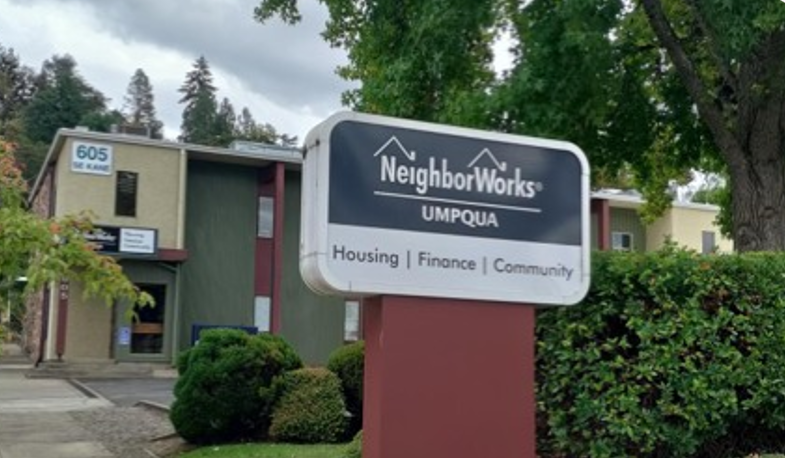
NeighborWorks Umpqua, based in Roseburg, Oregon, is a long-standing housing organization serving Coos, Curry, and Douglas counties. With multiple departments spanning real estate development, property management, resident services, and financial coaching, the organization has historically played a significant role in delivering housing solutions across its region. In recent years, Umpqua CDC began expanding into new areas of work, including the creation of a Climate Resiliency Department focused on homeowner rehabilitation and energy efficiency improvements such as heat pump installations. While the organization brought strong institutional experience and reputation, this newer line of work introduced operational complexity that existing systems were not designed to support.
Despite strong commitment and effort, the absence of clearly documented processes created inefficiencies across the workflow. Key operational steps—such as intake, bidding, construction management, and project closeout—were either inconsistently defined or embedded in outdated policy manuals that did not reflect actual practice. Departments operated in silos, limiting coordination and making it difficult to align the new Climate Resiliency work with existing organizational systems.
In the spring of 2024, Umpqua applied to the Housing Assistance Council’s (HAC) OneRural direct technical assistance program and was officially onboarded into the program that summer. Through OneRural, HAC provides customized, one-on-one support to rural organizations working in affordable housing and community development, with a goal of supporting long-term growth and helping organizations expand their impact in their communities.
“On my first site visit with the organization, I realized the Division of Climate Resiliency was newly formed, with a new director and a team struggling to find its place within the organization,” said HAC Housing Specialist Shreya Shrestha. “The department was operating in a silent way, with limited visibility across the organization, and other departments were not fully aware of their work or impact.”
The implementation of a flowchart-based process mapping system designed by Shreya was a turning point. What began as a tool for one department within Umpqua evolved into a shared resource used across teams that spanned the entire corporation.
“The division staff had a lot of information, but it was siloed and not being shared across the team,” Shreya said. “Their work was more reactionary than proactive, and everyone was overwhelmed by the complexity of the process, struggling to document in their procedure manual. I realized the core need was transparency—something that visualized the complex process in a simple diagram, and the whole team could understand and participate without feeling overwhelmed.”
As workflows became clearer, the organization began addressing specific inefficiencies. Intake processes were streamlined, template documents were developed to reduce repetitive work, and timelines for each phase of the project were defined.
“Developing a flowchart system was the right technical assistance solution because it created transparency, broke down information silos, and supported cross-team collaboration by giving everyone a shared view of how work actually moves through the department,” Shreya said.
These system-level changes introduced by Shreya and the HAC team produced measurable results. Within a year of implementing these improvements, NeighborWorks Umpqua more than doubled its homeowner rehabilitation output, increasing from approximately 22–30 projects annually to over 56 completed projects, while serving roughly 70 households.
This engagement demonstrates that capacity building within established organizations often requires rebuilding the systems that support day-to-day work. For NeighborWorks Umpqua, technical assistance helped move the organization from fragmented, siloed operations to a more integrated and scalable model. With durable systems now in place, the organization is better positioned to expand its homeowner rehabilitation work, adapt to new funding opportunities, and sustain its impact across rural Oregon.

 HAC News: May 14, 2026