Understanding Investment, Unlocking Ownership


Heirs’ property is a form of communal landownership that can be created when a property is inherited without a formal transfer of title. If a property owner dies without a will or estate plan or leaves their property to multiple owners, or if their will is not properly probated, their descendants will inherit the property together, and the title will be considered tangled or unclear. Heirs’ property owners have undivided, shared interests in their property, and every heir has the right to use the property or prevent other heirs from making significant changes to the property. Historically, heirs’ properties have been created because of a lack of access to the legal system, misunderstandings about the risks of heirs’ property ownership, and families’ desires to hold land communally.

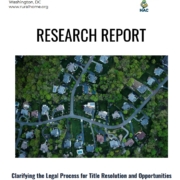
Recognizing the unique and complex nature of heirs’ property, in partnership with the Robert Wood Johnson Foundation, HAC conducted a qualitative analysis of the legal process of clearing property title and identified opportunities for financial intervention and collaboration.

Download the report.

HAC.RWJF_.-Clarifying-the-Legal-Process-for-Title-Resolution


HAC launches Heirs’ Property Central Site


HAC has developed a new website to act as a central clearinghouse for many professionals to access common resources related to heirs’ property. The site, Heirs’ Property Central, is a multidisciplinary hub for cross-sector collaboration, designed to facilitate new connections and discussions around past, present, and future heirs’ property work. Heirs’ Property Central highlights new research, events like trainings, webinars, and conferences, and organizations currently working in the heirs’ property space.

Visit Heirs’ Property Central.


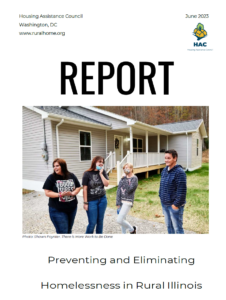
Preventing and Eliminating Rural Homelessness in Illinois

Homelessness and housing related issues manifest differently in rural environments. Highly effective urban solutions aimed at homelessness too often falter in rural America, where service provision is different and those who are homeless are often less conspicuous, but no less in need of assistance.

Recognizing the importance and unique nature of rural homelessness, the State of Illinois is committing resources to help end homelessness in rural Illinois. As part of that effort, the Housing Assistance Council (HAC) partnered with the Supportive Housing Providers Association (SHPA) and the Illinois Department of Human Services to undertake a data and information collection effort that will help inform strategies, solutions, and policies with the goal of preventing and eliminating homelessness in rural Illinois.

Download the document.

HAC Research

HAC Research

The Housing Assistance Council has developed a library of full length research reports, research briefs, and information products covering a wide range of rural housing issues.

HAC’s full length research reports provide details information and analysis on a wide array of social, economic, and housing issues that impact affordable housing needs and provision in rural America.

Rural Research Briefs are a series of data and findings from the recently released decennial Census and American Community Survey (ACS), highlighting various social, economic, and housing characteristics of rural Americans.

Rural Research Notes present summary findings from HAC and other research and analyses on social, economic, and housing characteristics of rural Americans.

Rural Policy Notes present basic summaries and highlights of policy developments important to rural American’s and their housing.

Reports and summaries on public and private programs, and initiatives that help develop, rehabilitate or maintain affordable housing in rural communities including HUD and USDA housing resources.

GET THE HAC NEWS!

Sign-up for HAC information products

SIGN UP HERE

Housing Assistance Council   |  1828 L Street. N.W., Suite 505, Washington, D.C. 20036
(202) 842-8600 (202) 347-3441 hac@ruralhome.org |

Board Portal

HAC is an equal opportunity provider, employer, and lender. | Civil Rights | Privacy