Tag Archive for: rural data

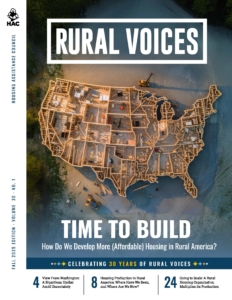
Rural Voices: Time To Build: How Do We Develop More (Affordable) Housing In Rural America?

Rural America needs – and deserves – more housing. The vitality of small towns
and Tribal lands across the country depends on it. While often overlooked in
national conversations about housing and community development, rural areas
are home to approximately 60 million people, many of whom are essential workers
in food production, education, energy, healthcare, and public safety. Yet these
communities struggle with an aging housing stock, limited new construction, and
infrastructure challenges.

The healthiest and most vibrant rural places are finding ways to build and preserve
housing that local residents can afford. New home construction is critical to
attracting and retaining a workforce, replacing an aging and substandard housing
stock, recovering from natural disasters and helping people invest in the place
they call home.

HAC hopes this issue of Rural Voices can illuminate how access to data, resources,
and innovations can better enable solid decisions, strategies, and solutions
for adding housing in rural communities across the nation. The rural voices in
this issue include experts, practitioners, policymakers, and community-based
organizations that seek to produce more and better housing in rural America. They
share tools, processes, and advice about building in today’s housing landscape.

Contents


VIEW FROM WASHINGTON

Housing Supply
by Jonathan Harwitz

HAC’s Director of Policy shares his insights on the landscape of affordable housing funding with messages from Congressmen Zach Nunn (R-IA) and Emanuel Cleaver (D-MO).

FEATURES

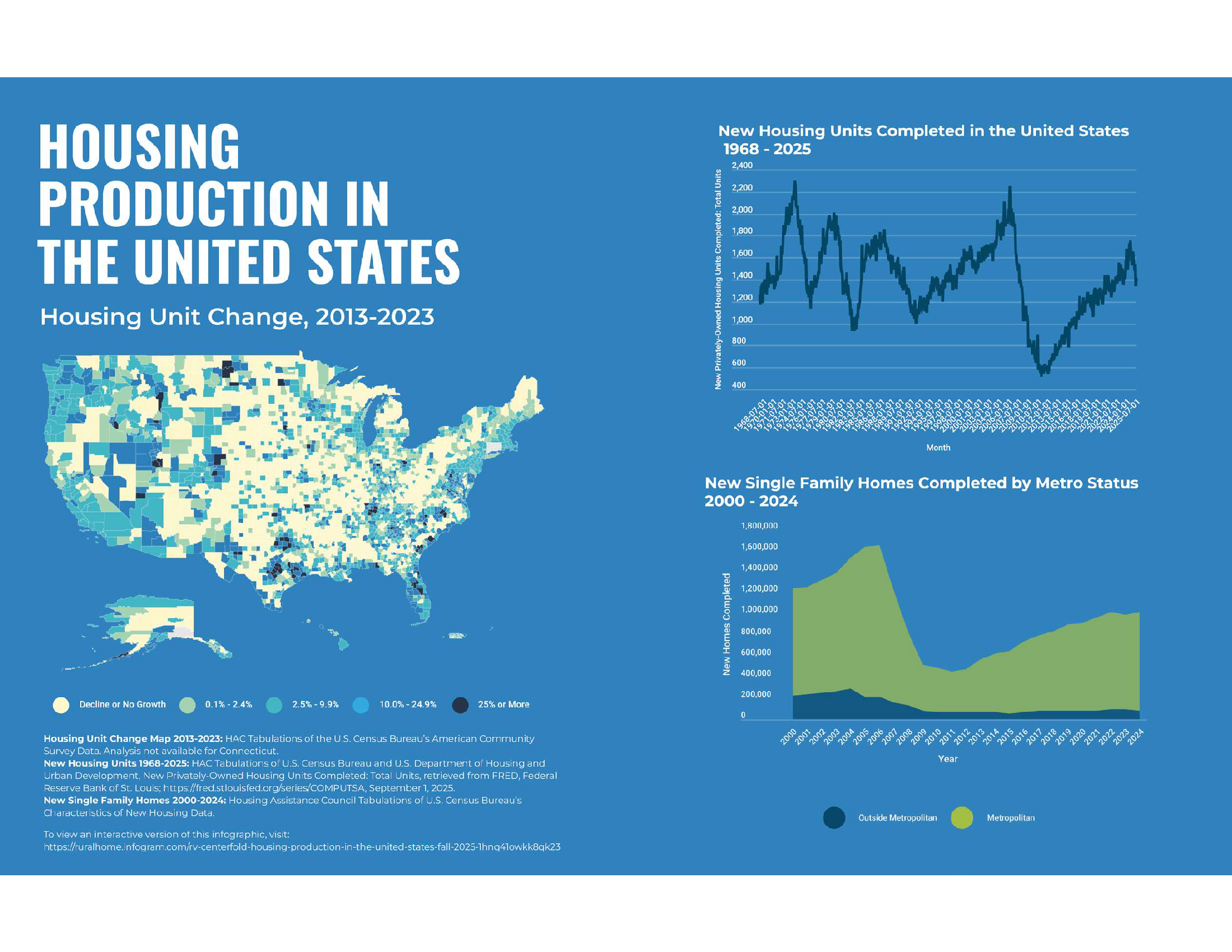
Housing Production in Rural America
by Keith Wiley and Lance George

Understanding how housing production affects housing affordability in rural America.

Are Public Lands the Answer to Improving Housing Affordability?
by Megan Lawson

A closer look at whether America’s vast public lands can ease the housing crunch.

Making Choices
by Nick Mitchell-Bennett and Dr. Daniel Elkin

Innovations behind factory-built housing and the politics behind rural survival.

Going to Scale
by Tom Collishaw

Insights from a rural housing organization and how it multiplied its production.

You Can Do This Because You Are Small
by Seth Leonard

Finding capital for affordable rural housing.


Infographic


Download this infographic: PNG | JPG | PDF


Experts of HAC: Dr. Keith Wiley on How to Work With Data

In this edition, Dr. Keith Wiley shares practical guidance on how to work with data—why it matters, how to tell if it’s trustworthy, and how it can inform effective decision-making.

Keith Wiley

Dr. Keith Wiley is a Senior Research Associate at HAC with extensive experience analyzing housing, development, and lending data in rural communities.

Why is it important to collect data to support things that I already know about my community?

It’s true that people often understand their community’s needs better than outsiders. But the power of data lies in its ability to reinforce and validate those insights. Anecdotal claims, even when accurate, are easy to dismiss. Data lends credibility and weight to your argument.

For example, I might write in a grant proposal that my service area has both an aging population and an aging housing stock—factors that clearly justify funding for a home repair project to support aging in place efforts. However, without numbers, this claim lacks depth. If instead I write that there has been a 25% increase (over the last decade) in the share of service area residents aged 70 or older (500 people), in my community where over 70% of occupied dwellings were built before 1980 (compared to 50% nationally), I’ve added measurable support to the argument that housing rehabilitation is needed.

This same principle applies to research. It may be generally well known that a problem exists, but adding data helps reinforce that understanding, provides information about the scope of the issue, and puts it in context.

How can I know if the data I use is trustworthy?

There’s a lot of data online, and much of it appears conflicting or inconsistent. I completely agree that this makes the work of data users more difficult, but I think if one follows the general rule of relying only on well-respected sources, this problem can be alleviated.

Federal, state, and local governments provide the most trustworthy data. When their data sources align, I always prioritize them over private data. For example, the U.S. Census Bureau is a highly trustworthy resource that applies rigorous standards for its data collection and estimation. Its products—like the decennial census population counts and the American Community Survey (ACS)—are extremely reliable. The same can be said for other federal agencies such as the Department of Housing and Urban Development (HUD), the Consumer Financial Protection Bureau (CFPB), and the Federal Reserve Board. State data centers, agencies, and local governments also provide trustworthy information, such as property tax assessment data.

I am not saying this information is always 100% accurate, but official sources do make every effort to ensure accuracy.

Private data sources can also be acceptable—often they are based on information from government agencies. But, as with all data, it is essential to cite the source and provide any important context about its origin and how you are using it. Transparency is key: if there is an issue, it can be discovered and corrected.

Can secondary data—such as ACS housing estimates—help me with my own data collection?

Yes. While external data is often used to describe community needs or inform planning, it can also guide what you collect for your own projects.

For example, in a housing rehabilitation program, you might collect data on structure age, housing type, household type, and ownership status—using ACS categories as a model. This not only aligns with your project’s purpose but also allows you to compare your data to ACS estimates to measure progress.

There’s no need to reinvent the wheel when deciding what information to collect. It can always be modified if necessary, but the key point is to use reliable data sources to help guide those efforts.

What is one thing that you think people misunderstand about data and its importance?

People often assume data provides one clear answer—just one number that tells you everything. But that’s rarely the case. What makes data valuable is its nuance. Each data point is a piece of a larger puzzle, and the more pieces you have, the better your understanding.

Take a county with limited home lending activity. Many might assume the issue is simply a lack of down payment funds. But an analysis of Home Mortgage Disclosure Act (HMDA) data might show that poor credit history is the most common reason for mortgage denials. That doesn’t mean down payment assistance isn’t needed—it just means other issues, like credit access, also need attention.

In most cases—especially in the social sciences—nuance matters. This isn’t a lab experiment with beakers and controlled conditions.

I find data work to be tedious, not very interesting, and something I put off doing until the last minute. Is there another way to think about it that might motivate me?

I get that working with data can be a challenge—and one that many people prefer to avoid.

I recommend thinking of it more like detective work, with each piece of data representing a clue that will ultimately improve our understanding. It’s more like Indiana Jones searching for the Holy Grail than it is a mundane work task.

It really can be fun—if you shift how you view the work. It’s all about mindset.
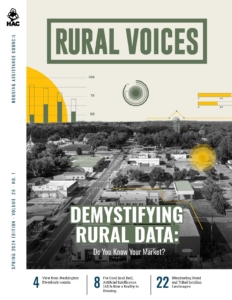
Rural Voices: Demystifying Rural Data: Do You Know Your Market?

It’s been said that oil was the most valuable resource of the 20th Century, but in the 21st Century data is now arguably the most important resource. Quality data and research are increasingly essential to any business, including mission-oriented organizations. Data and information have proliferated due to AI and other resources, but quality data are still often more difficult to access in rural communities.

Data resources are also ever-changing with advances in technology and methodologies almost daily. Rural America is changing too. There are 60.4 million people living in rural America today. Rural communities are more diverse than ever and HAC’s recent Taking Stock report revealed several important trends across rural areas over the past five decades. Understanding demographic, economic, and housing dynamics is essential for communities, local governments, organizations, advocates, and individuals looking to expand their capacities, utilize available resources, and share information with the people they serve.

The ‘Rural Voices’ in this issue include experts, practitioners, policymakers, and community-based organizations across the nation seeking to expand access to quality data and information for rural America. They share tools, processes, and how to manage a rapidly changing information landscape. HAC hopes this issue of Rural Voices can illuminate how access to data, resources, and innovations can better enable solid decisions, strategies, and solutions for rural communities across the nation.

Rural Voices: Understanding Your Market

Contents


VIEW FROM WASHINGTON

Everybody Counts
by Robert Santos

The Census Bureau Director shares his insights on the importance of Census data and resources that can assist local communities.

FEATURES

For Good (and Bad), Artificial Intelligence (AI) Is Now a Reality in Housing
by Kristen Klurfield and Emma Waters

5 Ways AI Can Help Boost Housing Supply and Affordability.

Empowering Rural Communities
by Nicole Opfer

The Housing Assistance Council’s Approach to Data Driven Decision Making.

Revitalizing Communities Through Strategic Housing Planning
by Maggie Leftwich & DeWayne Ennis

Two Rural Communities Use Data and Analysis to Inform Housing Strategies and Solutions.

Illuminating Rural and Tribal Lending Landscapes
by Jason Richardson

Insights from the Home Mortgage Disclosure Act Data.

Using Information on Disaster Risk, Insurance, and Community Planning
by Michael Craig

Each year, thousands of communities across the country experience natural disasters and unpredictable weather.


Infographic


Download this infographic: PNG | JPG | PDF


Snapshots of Rural Data

Rural America is a vast and diverse place, with a character all its own. This page includes infographics from Rural Voices Magazine and HAC’s publications which tell a small story in data about a particular slice of rural America.

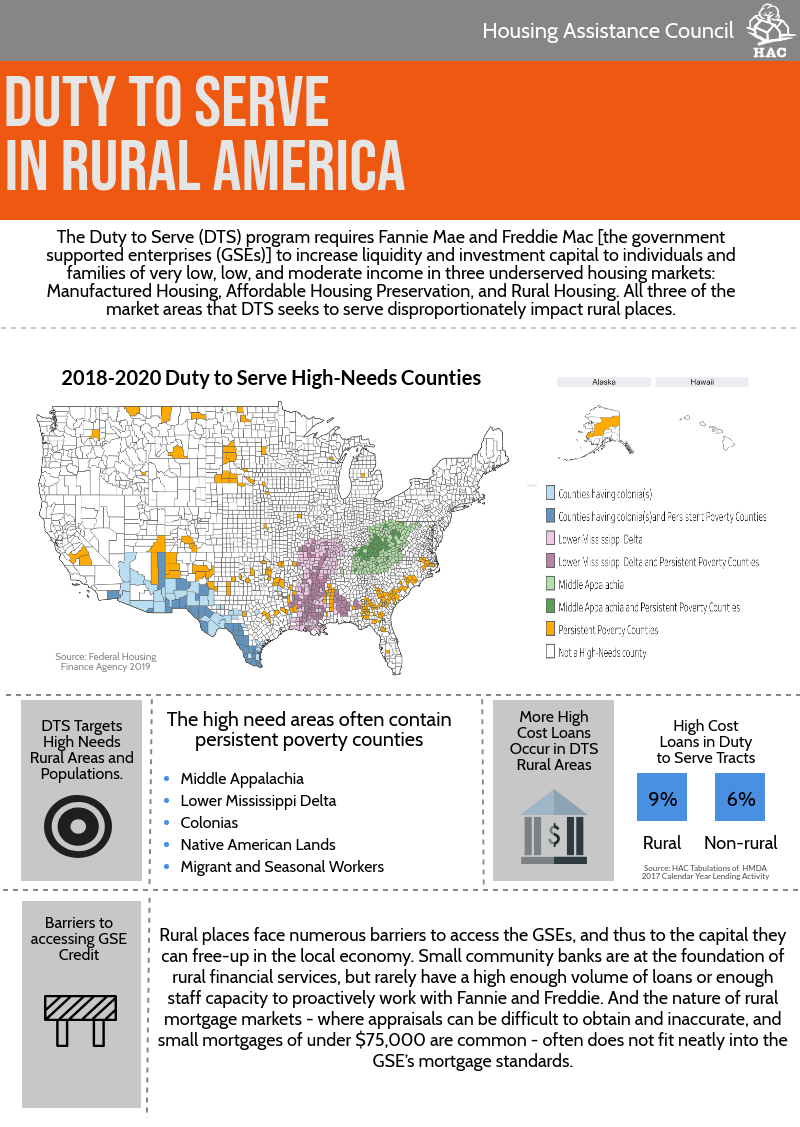
Duty to Serve Infographic

Duty to Serve in Rural America

PDF | Image

The Duty to Serve program requires the GSEs to help direct investment toward vulnerable people and places. How does that impact rural areas?

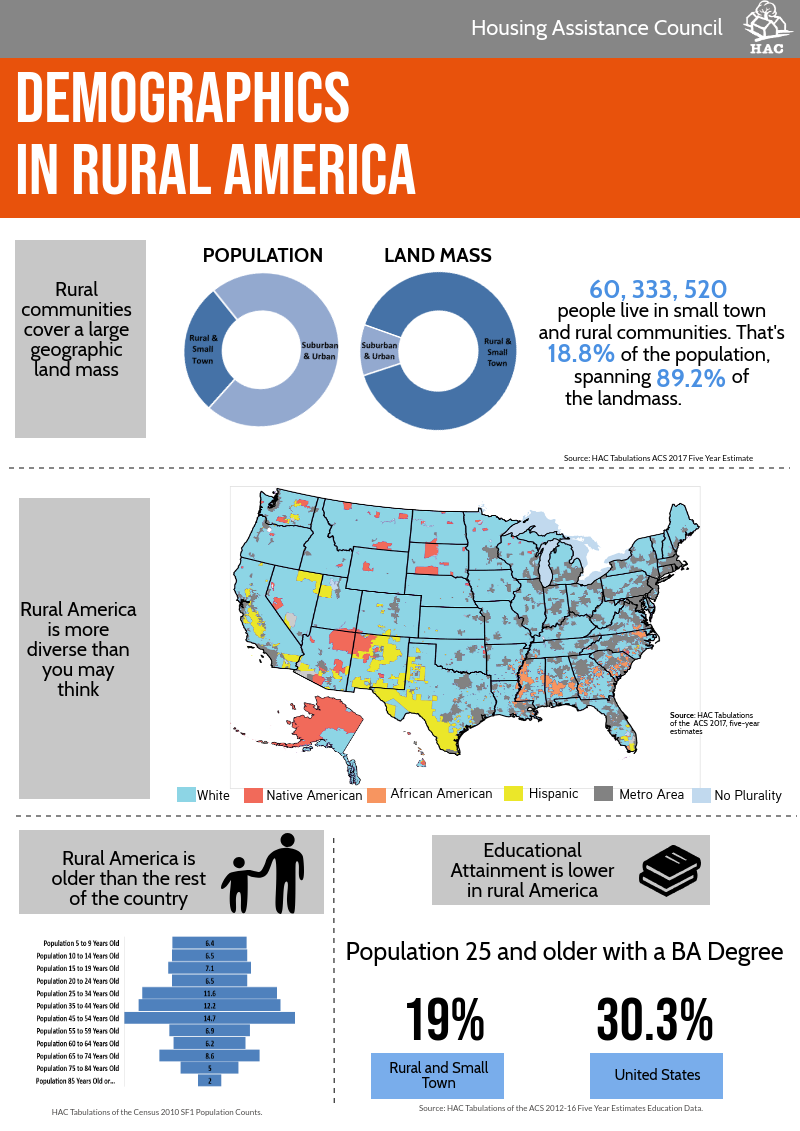
demographics infographic 2019

The Demographics of Rural America

PDF | Image

Learn a little bit more about the people of rural America who make up roughly one fifth of the US population.

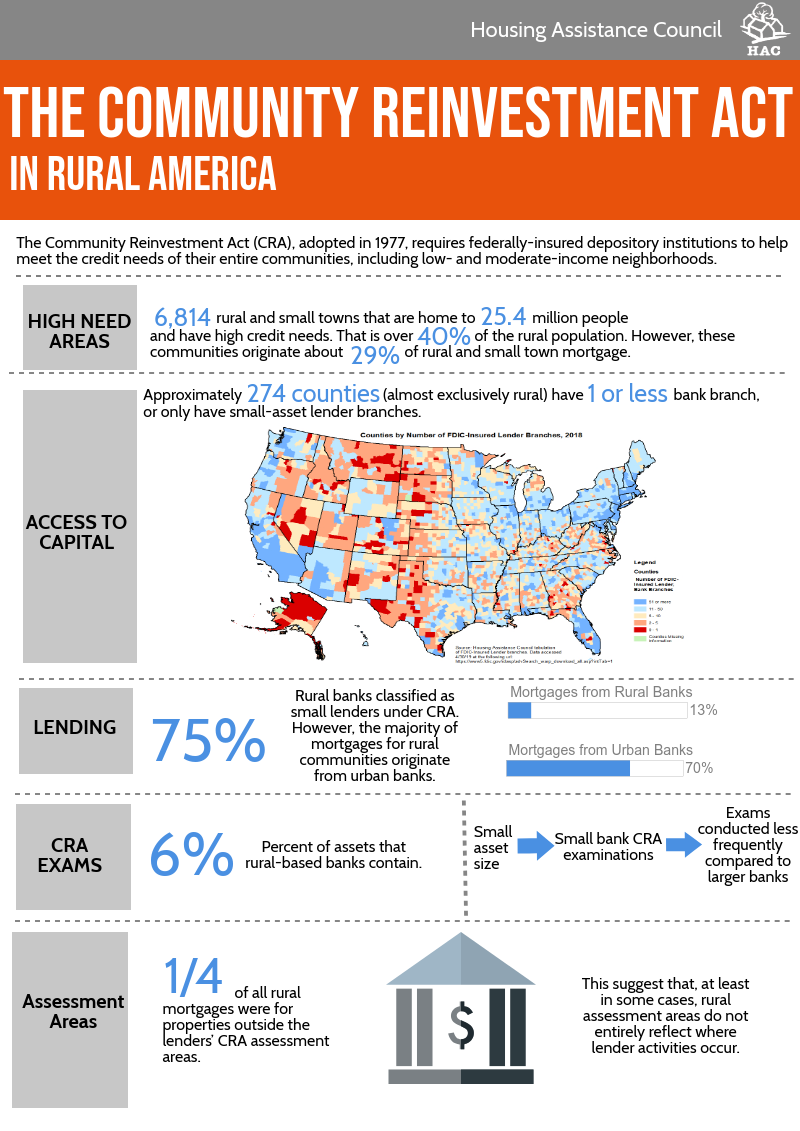
cra infographic 2019

The Community Reinvestment Act in Rural America

PDF | Image

The Community Reinvestment Act (CRA), adopted in 1977, has been a boon to urban community development. How does it work in rural areas?

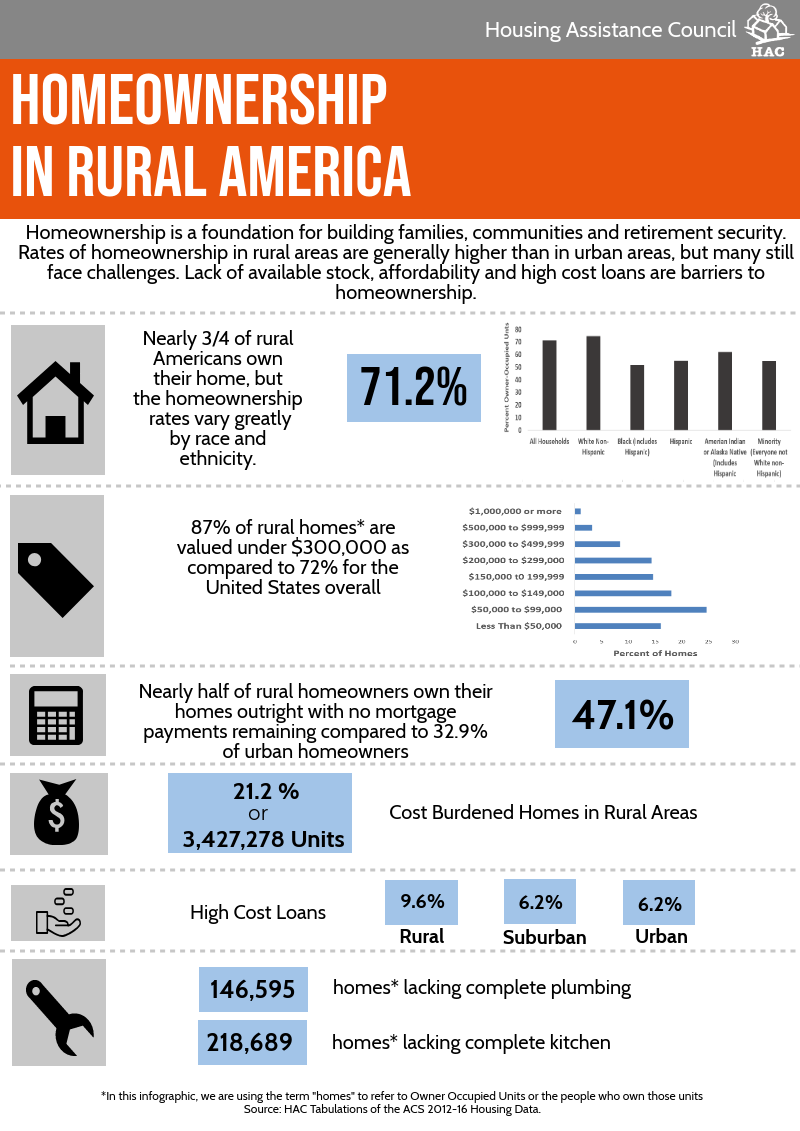
homeownership infographic 2019

Homeownership in Rural America

PDF | Image

Rates of homeownership in rural areas are generally higher than in urban areas, but many still face challenges.

rv-fall-2018-infogrpahic

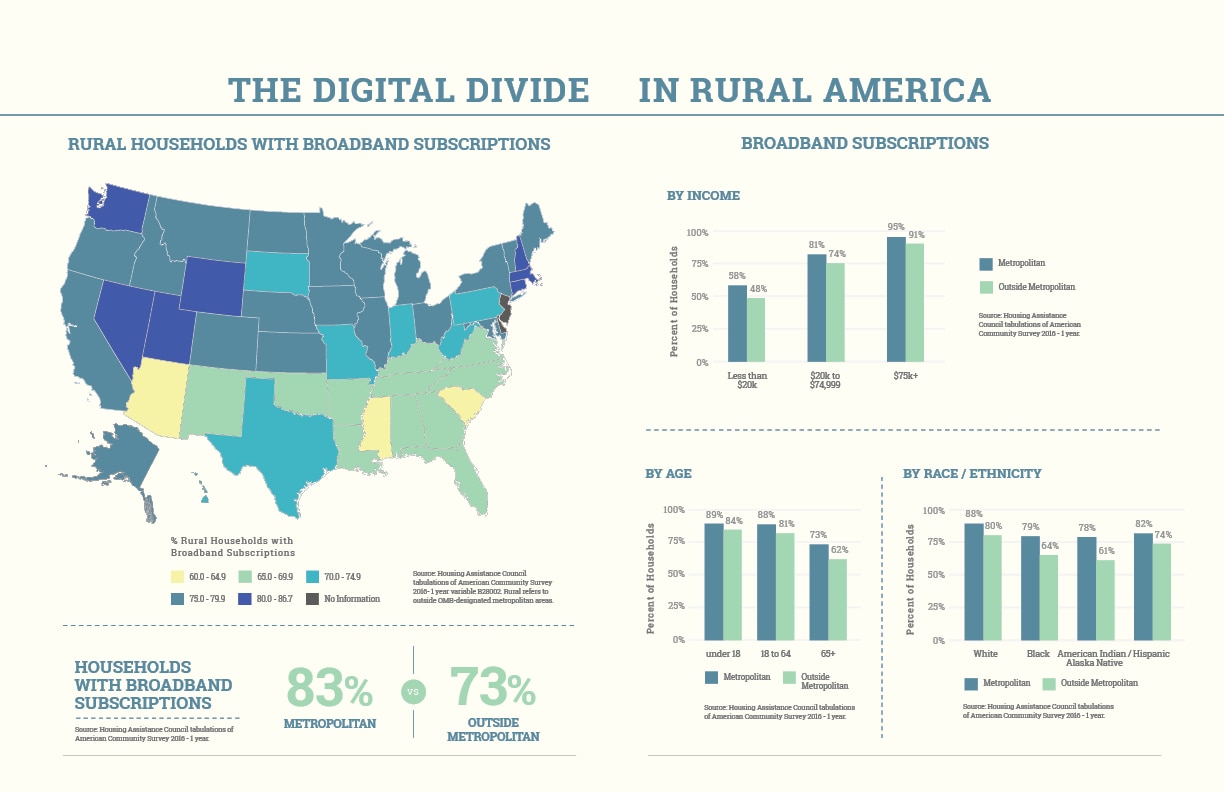
The Digital Divide in Rural America

Broadband internet access and adoption in rural areas lags behind that of metropolitan areas.

rv-may-2018-infographic

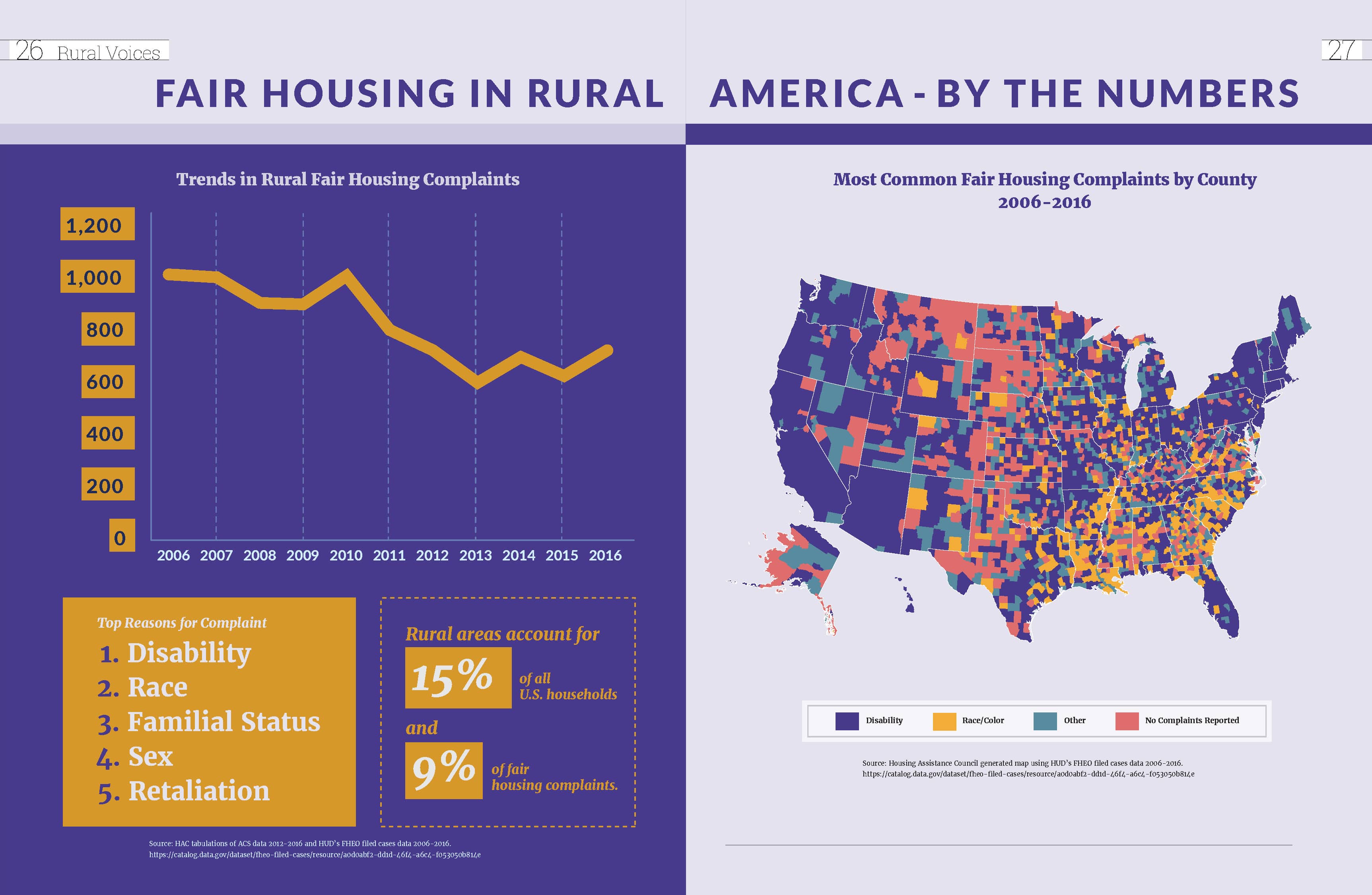
Fair Housing in Rural America – By the Numbers

This infographic reveals trends in rural fair housing complaints as reported from HUD’s FHEO filed cases data, including a look at the number of complaints per year, geography, and the most prevalent complaints by county.

American and Alaska Native (AIAN) Communities at a Glance Infographic

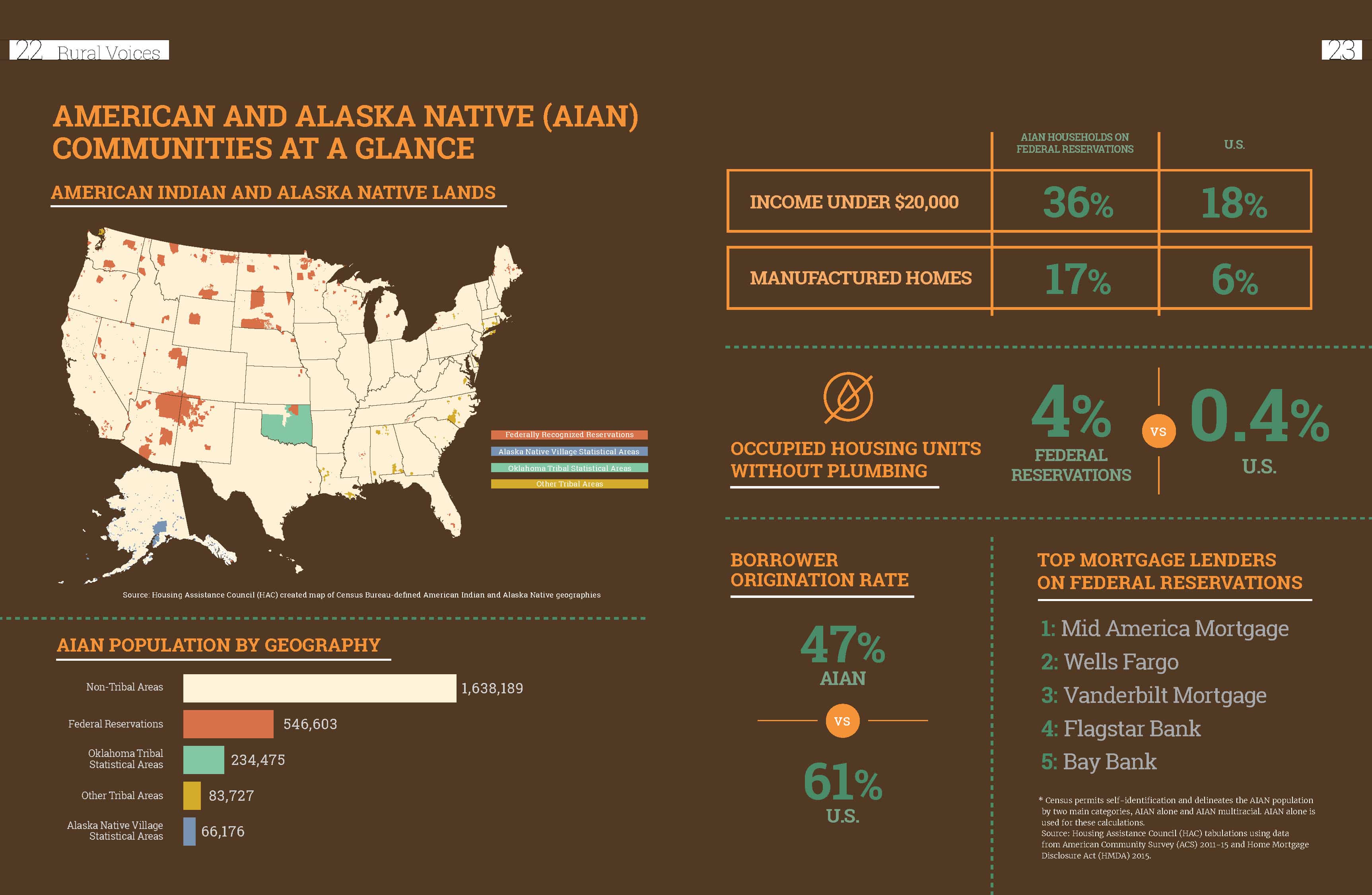
American and Alaska Native (AIAN) Communities at a Glance

A look at the geographic distribution and unique mortgage lending experiences of American and Alaska Native Communities.

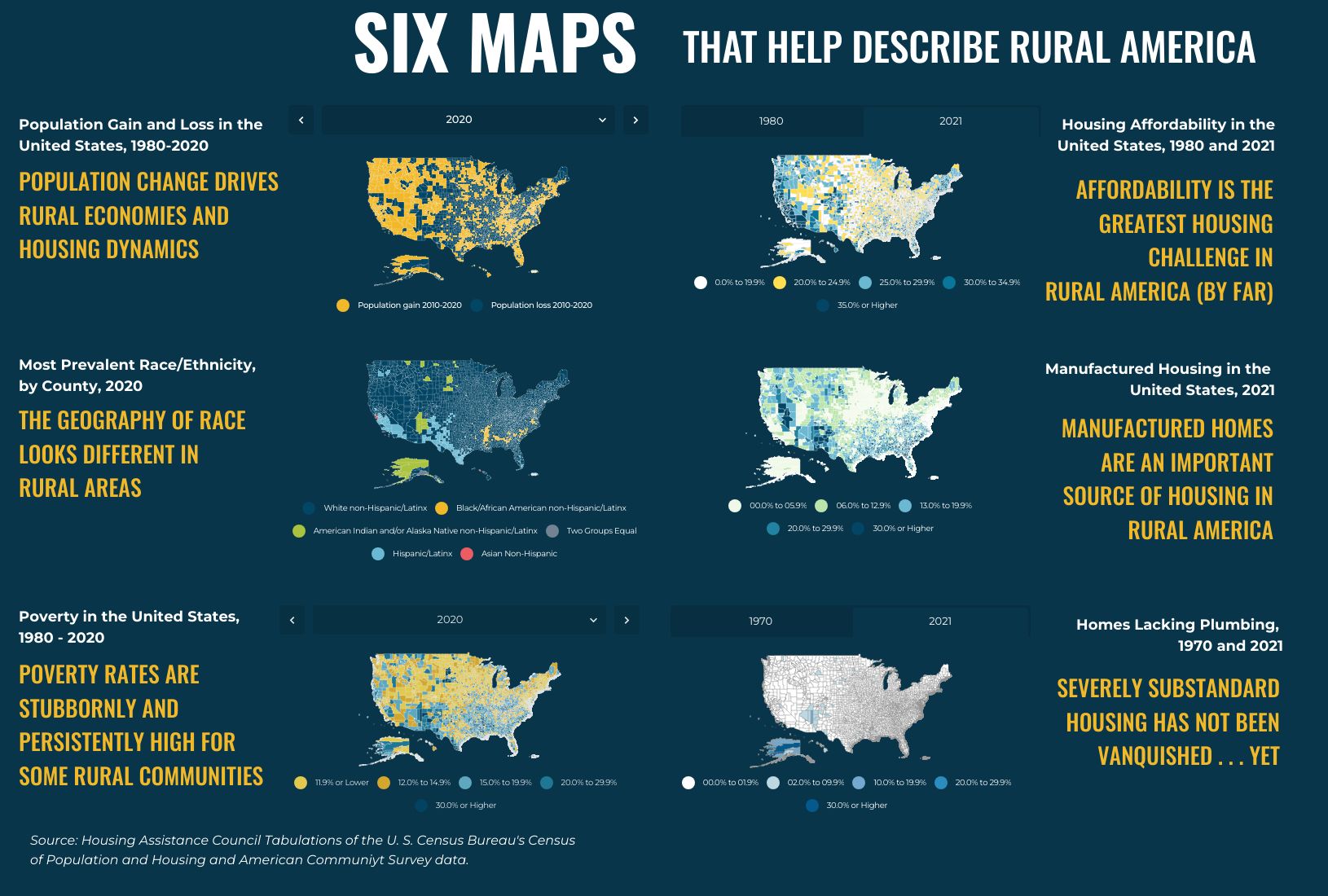
Ruralities: The Changing Face of Rural America

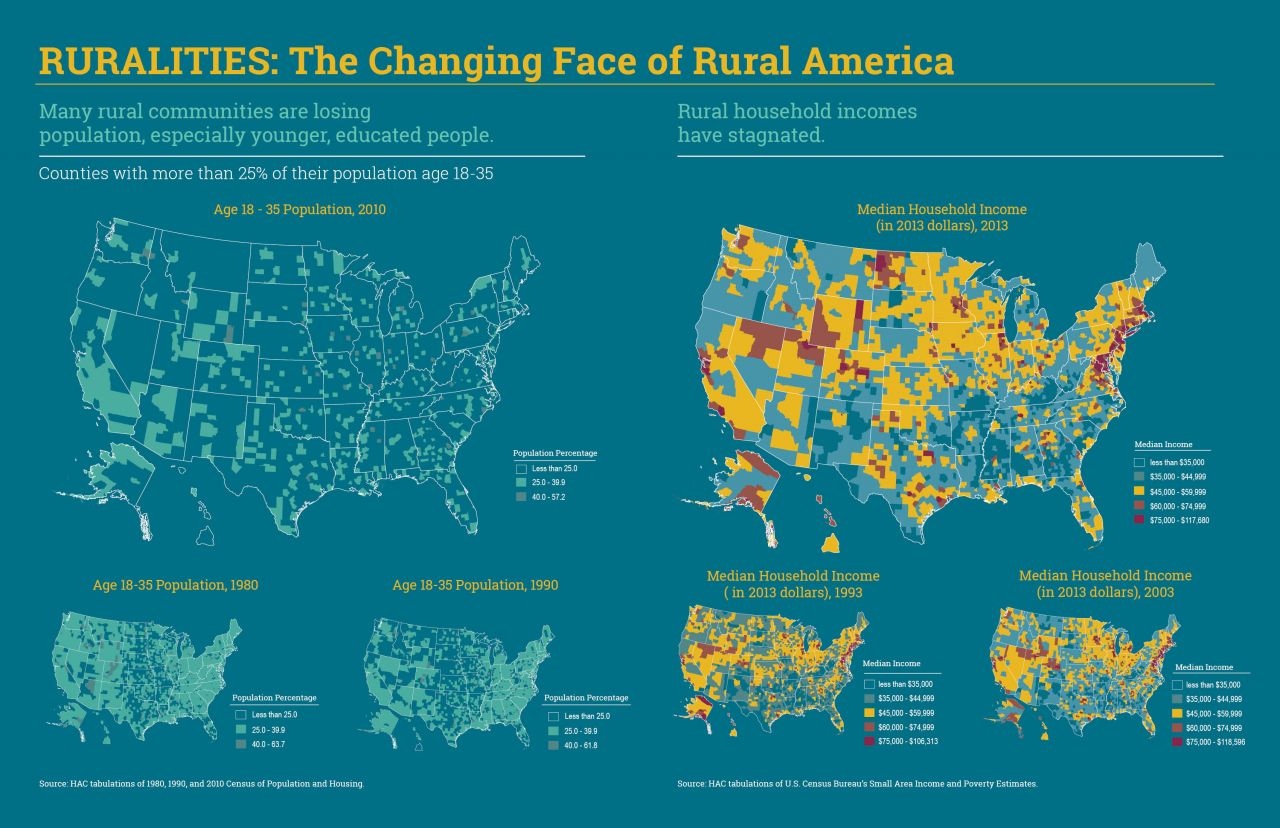
Ruralities: The Changing Face of Rural America

A set of maps demonstrate the ways rural America’s demographics and housing are changing.

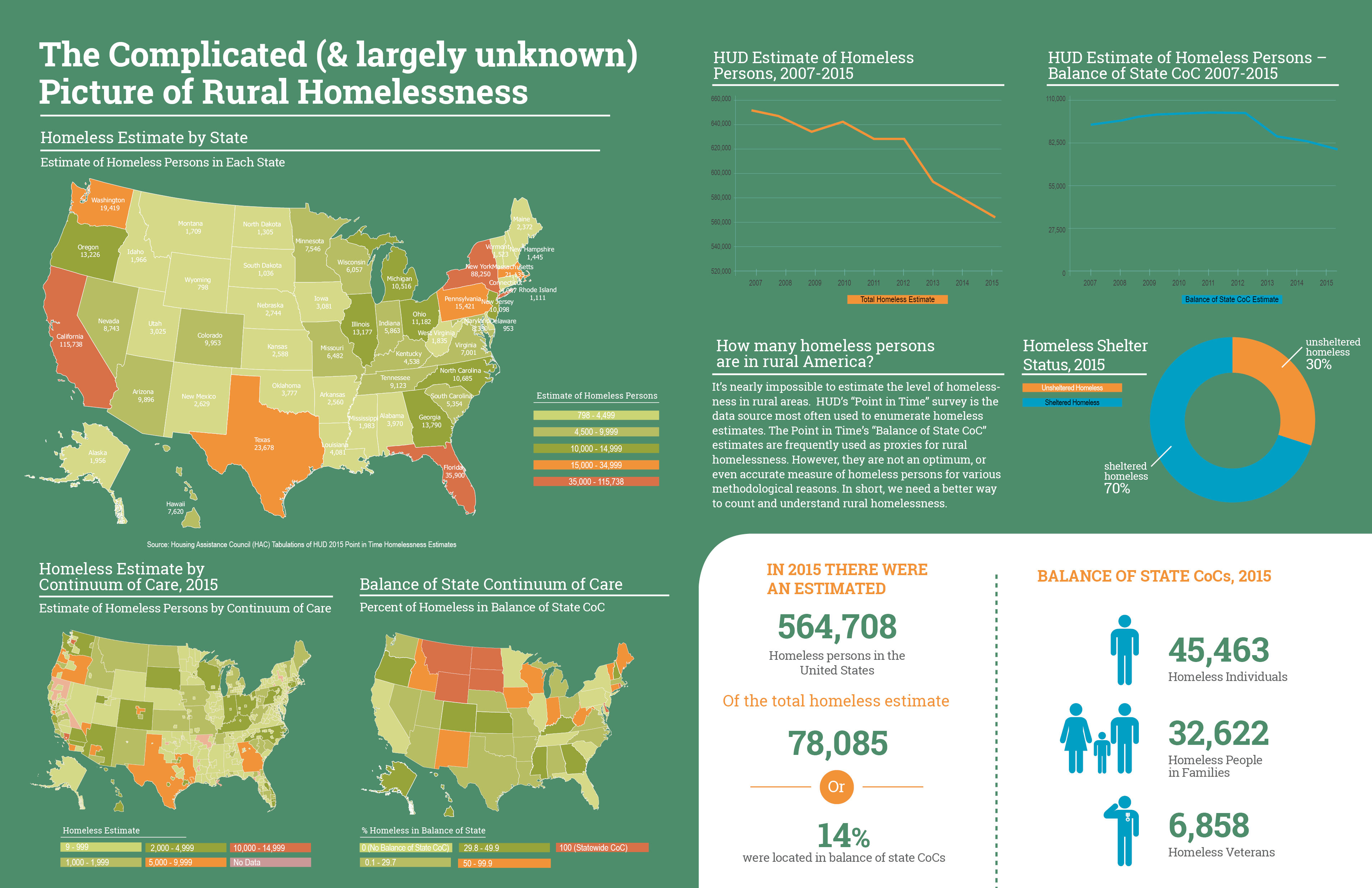
The Complicated Picture of Rural Homelessness

The Complicated (& largely unknown) Picture of Rural Homelessness (Infographic)

It is often difficult to quantify the number of homeless people who live in rural areas. Here is a look at some of the information we know about this vulnerable population.

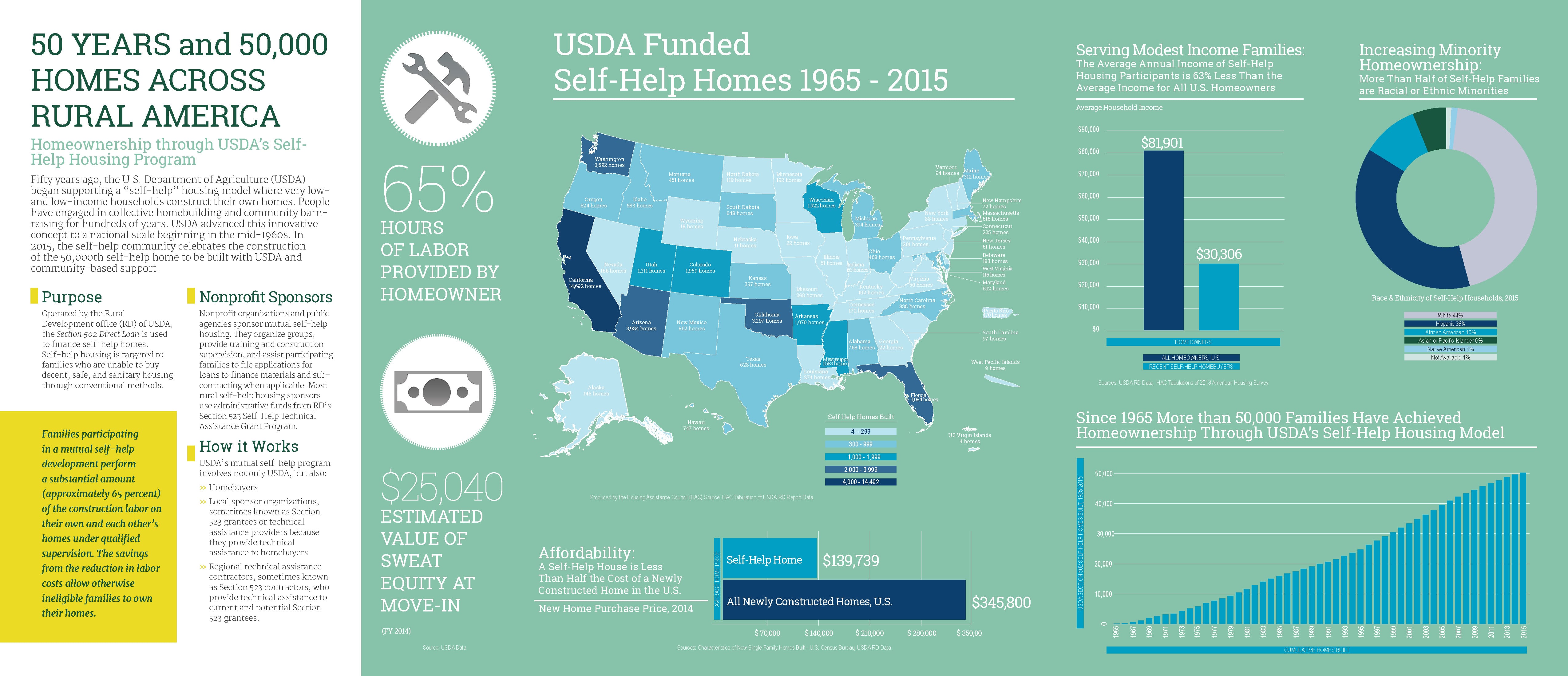
rvsummer2015-infographic Page 2

Celebrating 50 Years of helping families help themselves.(8.5″ X 11″ printable pdf)

Celebrating 50 Years of helping families help themselves.(25.5″ X 11″ original document)

Celebrate the accomplishments of USDA’s Self-Help housing program during the 50 years since its founding.

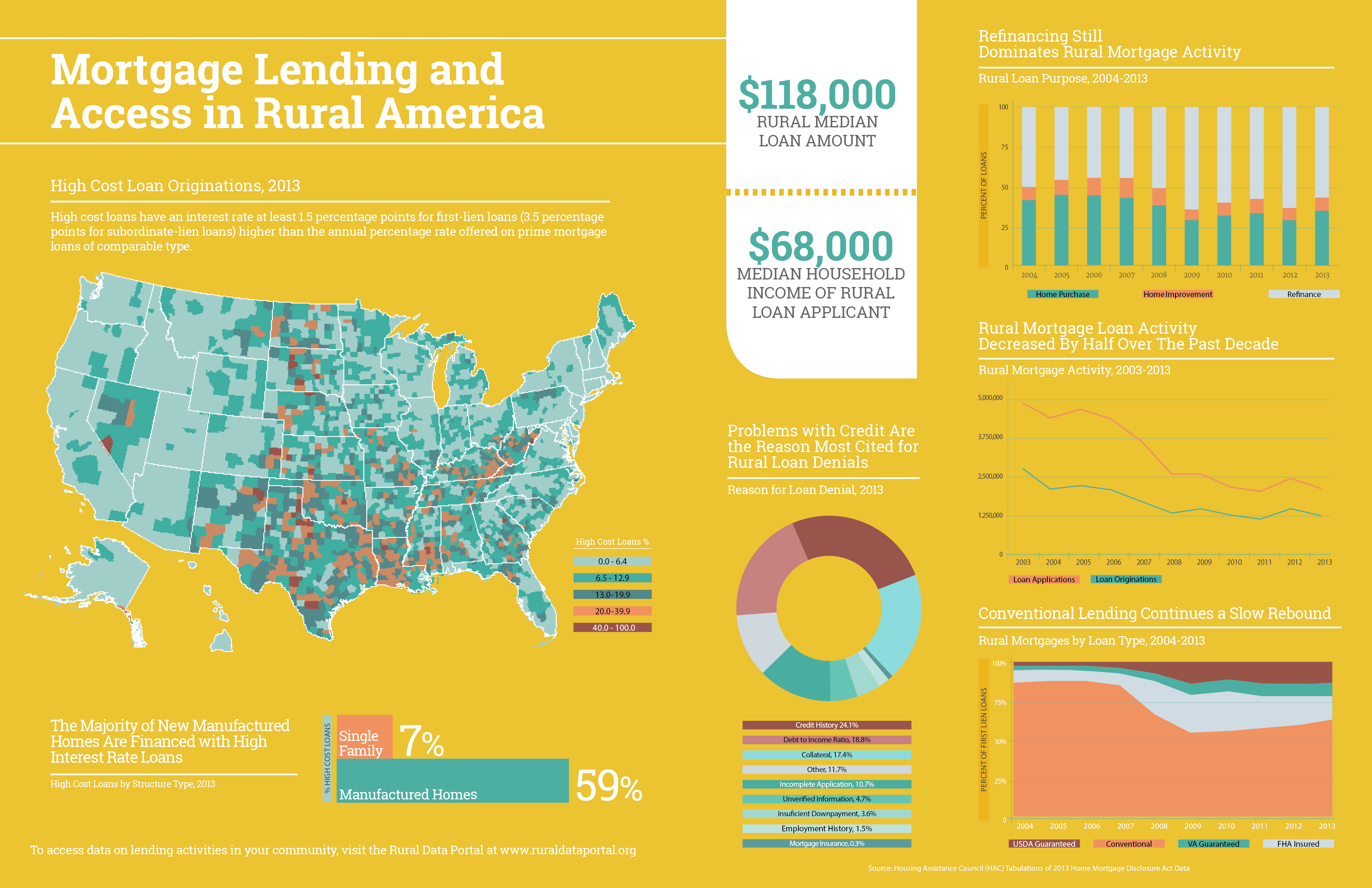
rvspring15-infographic

Mortgage Lending and Access in Rural America

Rural communities have different experiences when it comes to accessing and using mortgage markets. This infographic provides a window into some of those experiences.

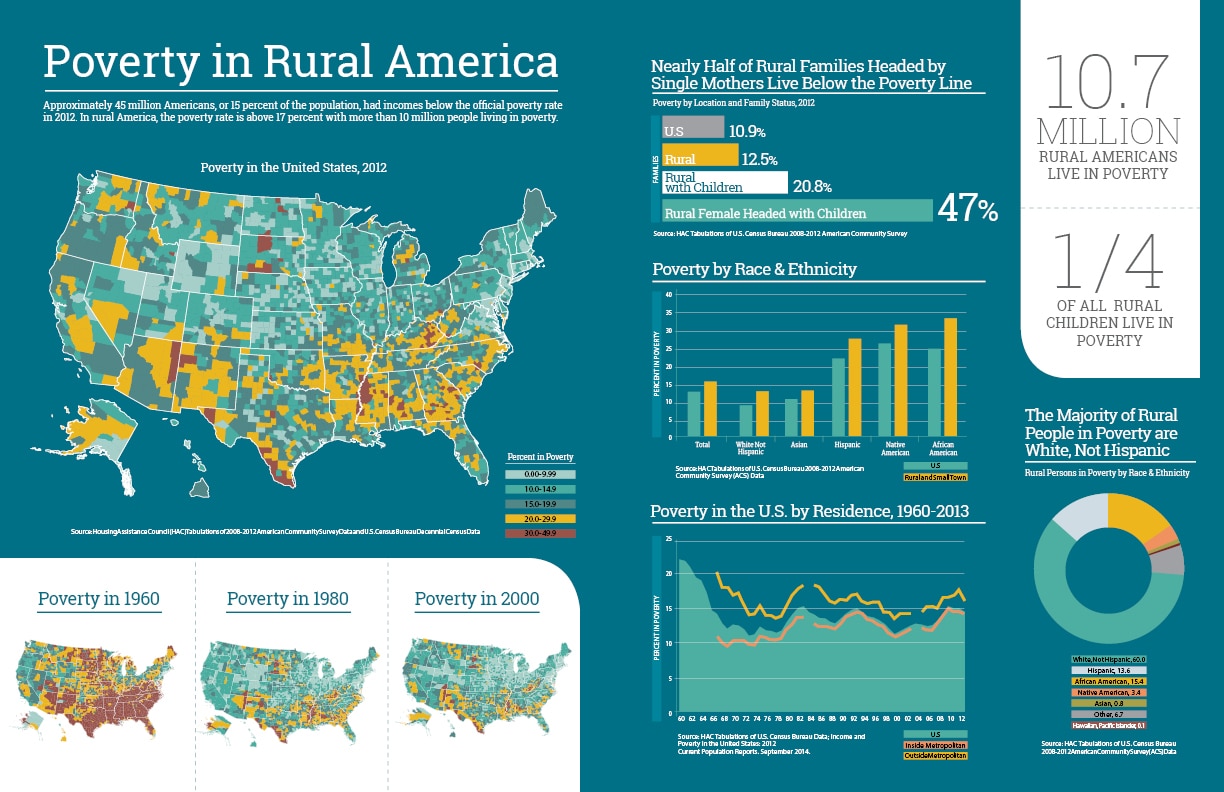
rv-se-infographic-pira

Poverty in Rural America

Approximately 45 million Americans, or 15 percent of the population, had incomes below the official poverty rate in 2012. In rural America, the poverty rate is above 17 percent with more than 10 million people living in poverty.

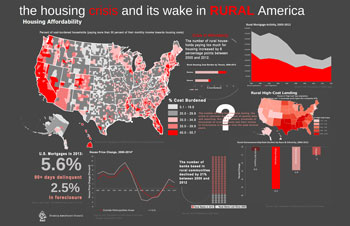
housing-crisis-in-rural-america-web-small

The housing crisis and its wake in rural America– (Interactive Prezi)

What was the impact of the housing crisis in rural America?

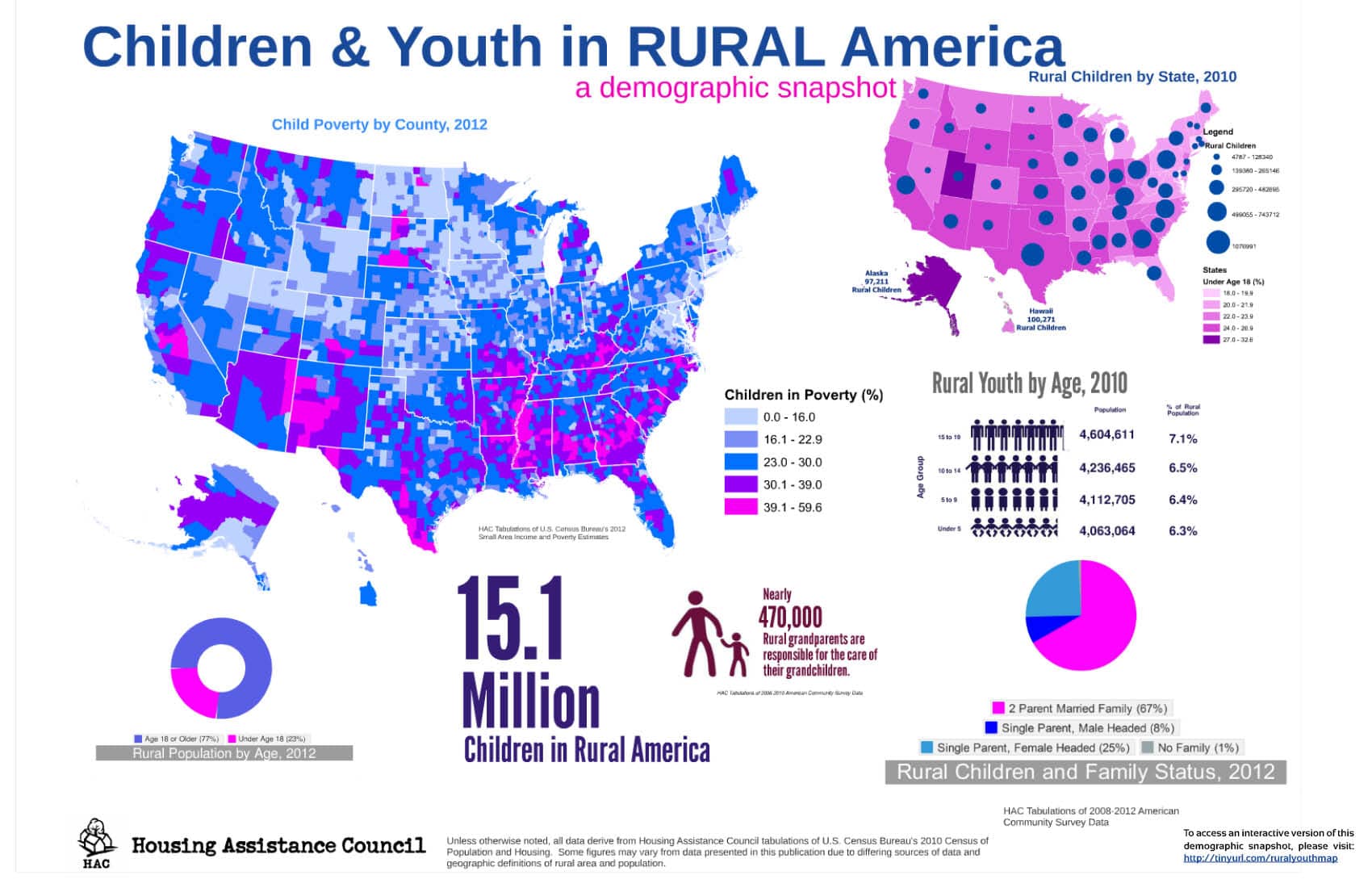
childrenandyouthmap

Children & Youth in Rural America – (Interactive Prezi)

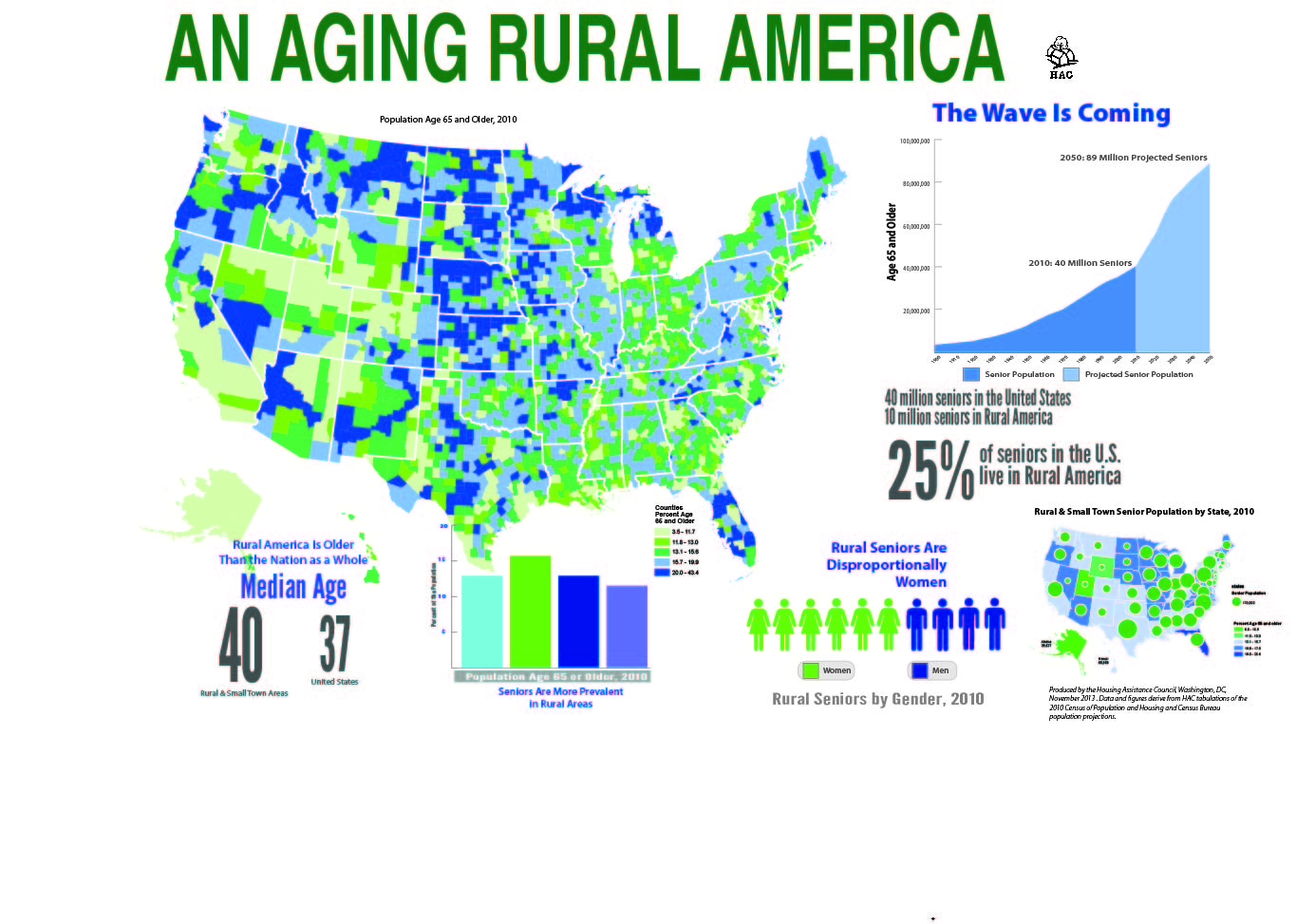
aging-rural-america-map

An Aging Rural America (jpg)
MAP – A Demographic Portrait of Seniors in Rural America

Rural Home-Purchase Loans Grow at Faster Rate Than Urban

by Keith Wiley

The number of rural loan applications fell last year because of a big decline in refinancing. But loan applications for home purchases grew by nearly 7 percent, even higher than the national increase. Also on the rise in rural areas were higher-interest loans, which are especially common for manufactured housing purchases.

Read the Complete blog post at The Daily Yonder

by Keith Wiley

The number of rural loan applications fell last year because of a big decline in refinancing. But loan applications for home purchases grew by nearly 7 percent, even higher than the national increase. Also on the rise in rural areas were higher-interest loans, which are especially common for manufactured housing purchases.

Recently released data from the Home Mortgage Disclosure Act (HMDA) signals a changing home finance market across the nation and rural America too. The 2015 HMDA figures, which reflect calendar year 2014 mortgage lending applications, show a substantial nationwide decline in overall mortgage activity. In fact, the total number of HMDA reported loan records in 2014 was the lowest level in the past 17 years.

Read the Complete blog post at The Daily Yonder

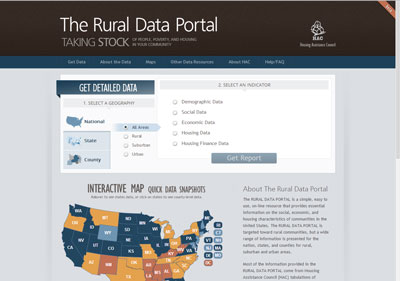
The Rural Data Portal

Quality data for rural areas can be limited and hard to find. To address this concern, HAC developed the Rural Data Portal to provide rural communities with a user-friendly tool to gain information about the places where they live and work.

Quality data for rural areas can be limited and hard to find. To address this concern, HAC developed the Rural Data Portal this year to help communities better understand and document needs and conditions. The Rural Data Portal is an online resource that provides social, economic, and housing characteristics of communities across the United States using data from HAC tabulations of the 2010 Census of Population and Housing, the American Community Survey (ACS), and Home Mortgage Disclosure Act Data.

ima-best-in-class-award

The Rural Data Portal was awarded the “Best in Class” Interactive Media Award in the nonprofit websites category for 2013 by the Interactive Media Council.

rdp-screenshot

Access the Rural Data Portal

Winter 2012 – 13: Taking Stock of Housing in Your Community

The winter 2012 – 13 issue of Rural Voices, Taking Stock of Housing in Your Community, is now available for download from the Housing Assistance Council. This issue includes information about the data resources available for rural community devlopers and advocates to document housing needs in their communities and make their case to policy makers.

View from Washington

Erika Poethig, Acting Assistant Secretary
U.S. Department of Housing and Urban Development, Policy Development and Research

FEATURES

Developing a Statistical Portrait of your Community
by Arthur Cresce, The U.S. Census Bureau
Using the Census Bureau’s American Community Survey

What is Rural?
by the Housing Assistance Council
A question that matters

Information on What Banks Are Doing in Your Community
by John Taylor, National Community Reinvesment Corporation
Getting the Most from Home Mortgage Disclosure Act (HMDA) Data

Data Resources for Rural Communities
A Visual Guide to Selected Data and Information Sources

Q&A with John Cromartie
Rural Voices
sat down with John Cromartie, Senior Geographer at USDA’s Economic Research Service, to discuss demographic trends and data for rural areas

The National Housing Preservation Database
by Megan Bolton, National Low-Income Housing Coalition
A long awaited national database of federally-assisted housing can make the case for affordable housing preservation

Share your Story

Rural Voices is curious to hear your stories of how you have used data to further your work in your community. Do you have a story from your own community to share on this subject? Please share your story on Facebook, LinkedIn, or Twitter and help demonstrate the importance of accurate data for rural communities across the country.

#RuralFacts – Rural Data from Taking Stock

Follow HAC for Data from Taking Stock

[addthis2][/addthis2]

The Housing Assistance Council (HAC) published Taking Stock: Rural People, Poverty and Housing in the 21st Century in December, 2012. This 160 page report features analysis of over of 6,000 data points from the 2010 Census and other sources about rural communities. To highlight the findings from this research as well as issues facing rural communities, HAC will be sharing factoids, images and data from Taking Stock through social media.

This information will be posted on twitter, using the hashtag #ruralfacts (bookmark this link so you can always access this information). If you do not already, follow HAC @RuralHome.

You can also share your comments with HAC on Facebook, LinkedIn or on the Rural Affordable Housing Group.

[twitter link=” https://twitter.com/search?q=%23RuralFacts” id=”304994872023203840″ title=” “Tweets about #RuralFacts””][/twitter]

GET THE HAC NEWS!

Sign-up for HAC information products

SIGN UP HERE

Housing Assistance Council   |  1828 L Street. N.W., Suite 505, Washington, D.C. 20036
(202) 842-8600 (202) 347-3441 hac@ruralhome.org |

Board Portal

HAC is an equal opportunity provider, employer, and lender. | Civil Rights | Privacy