Tag Archive for: rural poverty

Stories of Poverty in Rural Appalachia

In the second installment of his series on “America’s Poorest Towns” for www.thinkprogress.org, Scott Rodd writes a series of essays profiling people trying to cope with persistent poverty in Beattyville, KY.

alt

Rodd interviews several residents of Beattyville in an effort to identify the root cause of the town’s continued poverty and economic struggles. These stories help to illustrate the depth and breadth of challenges a persistently poor rural community faces.

Read the first story in the series, which profiles Campti, LA.

A look back at the 2014 HAC Conference

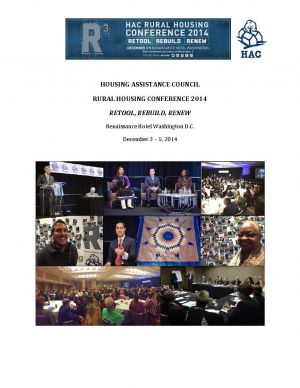
The Housing Assistance Council (HAC) is pleased to share with you a report on the 2014 HAC Rural Housing Conference held in Washington, DCin December 2014. The Conference was a tremendous success, according to evaluation results that are summarized in the Conference Report.

The Housing Assistance Council (HAC) is pleased to share with you a report on the 2014 HAC Rural Housing Conference held in Washington, DC this past December. The Conference was a tremendous success, according to evaluation results that are summarized in the Conference Report. The Report briefly reviews the plenary sessions, workshops and other Conference events. Links to videos of each plenary session as well as materials from select workshops are also made available in the Report.

Hope to see you at the 2016 HAC Rural Housing Conference!

Download the Report

2014-conference-report-cover

Watch the Plenaries

castro-youtube

Materials from the Conference

ap-scs

A Conversation with the HUD Secretary

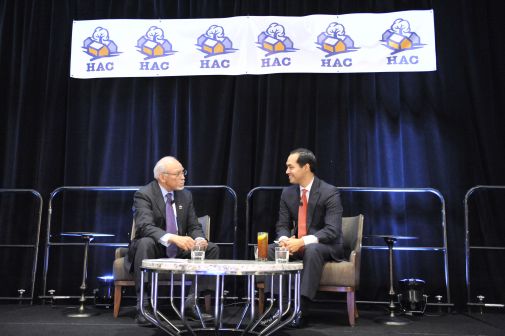
Moises Loza interviews Secretary Julian Castro #R3ConfHAC was fortunate to be visited by two Cabinet Secretaries and several members of Congress at the 2014 HAC Rural Housing Conference. During one of those visit, HUD Secretary Julián Castro sat down with HAC’s Executive Director Moises Loza to discuss HUD’s role in rural America, his passion for public service, and how he thinks HUD can better serve rural communities across the country.

View the entire discussion on Youtube

Moises began the discussion by asking How is HUD working in Rural America and what should HUD’s role be in rural places?

[youtube]jpc7DMQ23mU[/youtube]

Secretary Castro then shared his most poignant experience at HUD so far – visiting the Pine Ridge Reservation in South Dakota. He went on to discuss what HUD could do to address housing issues and challenges on Native American Lands.

[youtube]JgPX4OITIcY[/youtube]

The theme of the 2014 HAC Rural Housing Conference, Retool, Rebuild, Renew, emphasizes the need for housing organizations to train and engage the next generation of rural housing professionals to take over the field as many of the current practitioners transition towards retirement. While this topic was discussed at length in the opening plenary session, Moises asked Secretary Castro for his perspective on motivating young people to enter the afordable housing and public service fields.

[youtube]egudvSB6Vq8[/youtube]

Mr. Castro also spoke to the importance of a strong public housing infrastructure as a means of providing affordable housing in rural areas…

[youtube]QEOQxmYz728[/youtube]

And expressed his support for the CDBG program as a vehicle for community and housing development in rural and urban areas.

[youtube]uvxtZe2Rz8s[/youtube]

More from the chat

In a surprising moment, Moises revealed that he had known the Secretary’s “activist” mother from his days in Texas, which lead to a conversation about what compelled Mr. Castro to seek a career in public service.

youtube]h5UCfZUFjqs[/youtube]

The Secretary reflects on how his experience as Mayor of San Antonio will help him at HUD.

[youtube]iF3joV7a7oM[/youtube]

Moises asked the Secretary what can and should be done about credit standards and their impact on homeownership.

[youtube]nmFPwruJmHE[/youtube]

From around the web

Secretary Castro on The Daily Show with John Stewart

Rural Seniors and Their Homes: Planning for a Rapidly Aging Rural America

Material Posted

Power Point Presentation | Webinar Recording | Housing an Aging Rural America

With the Baby Boomer generation turning 65, the United States is experiencing growth among older adults that it has never before seen. According to U.S. Census projections, the over age 65 population is expected to grow by 30 million individuals by the year 2030, jumping from 13 percent of the national population to 20 percent. This is a staggering 35 percent increase over the next twenty years.

Rural America is older and aging faster than the nation overall with 15.7 percent of the rural population over the age of 65 compared to 13 percent nationally. The relatively older composition of the rural population is not solely a factor of natural population change but is also impacted by economic conditions. The increasing senior population in rural America will add new stresses to housing, health care, and social services that will be felt by our parents, uncles, aunts, grandparents, and even us. We must remember that this demographic change is not a negative development, as long as we plan and prepare for it. To ensure all individuals are able to live safely, comfortably, and in dignity as they age, we must first understand the issues, concerns, and trends that exist.

Join us on Tuesday, January 13th, for HAC’s upcoming webinar, Rural Seniors and Their Homes: Planning for a Rapidly Aging Rural America to learn more about the demographic, economic, and housing trends of seniors and near-seniors in rural America as well as their housing options. Housing provides shelter and often economic security, but for many seniors the home has even greater value. Homes contain reminders of life experiences and serve as a catalyst for active and healthy lifestyles. Seniors have special housing needs: access to health services, supportive services, and even companionship become critical and must be considered. The impacts of these issues play a considerable role in our seniors’ quality of life and cannot be overemphasized.

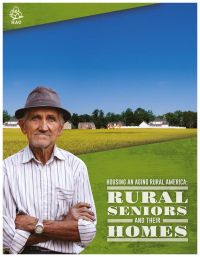
Rural Seniors and Their HomesDownload HAC’s Report, Housing an Aging Rural America: Rural Seniors and Their Homes.

Rural Poverty, Before and After the War

By James P. Ziliak, Center for Poverty Research and Department of Economics, University of Kentucky
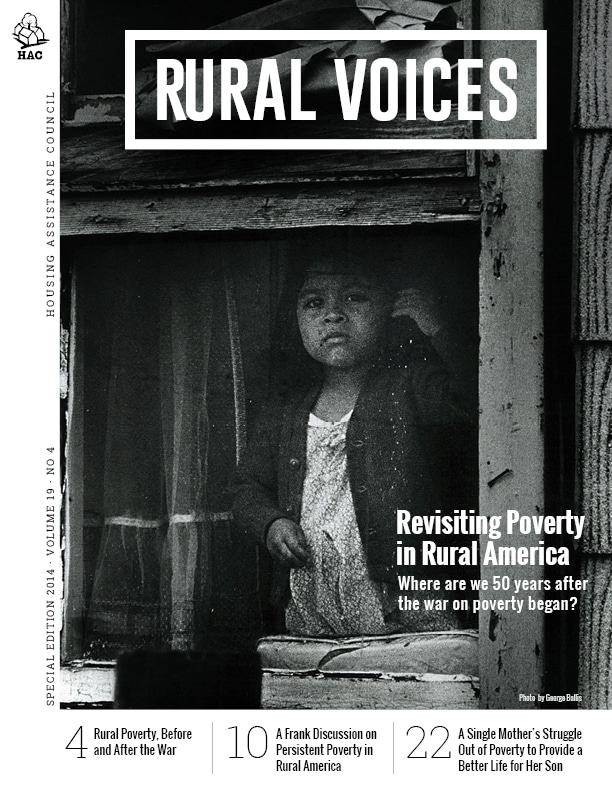
rv-se-2014-coverThis story appears in the 2014 Special Edition of Rural VoicesThe 50th anniversary of the War on Poverty has generated scores of articles, books, and radio and television reports. Lost in much of this coverage is the acute hardship facing rural America at the dawn of the 1960s and the role this played in shaping the nation’s response to poverty. Lack of access to adequate food and health care, along with quality schools, roads, and housing was rampant in many rural communities, especially in Appalachia and the Deep South. The public policy response reflected that need with the creation of programs such as food stamps, school lunch and breakfast, Medicaid, Medicare, Head Start, and, later on, Section 8 vouchers, and Low-Income Home Energy Assistance. This article provides a brief overview of poverty trends, and lingering challenges, facing parts of rural America.
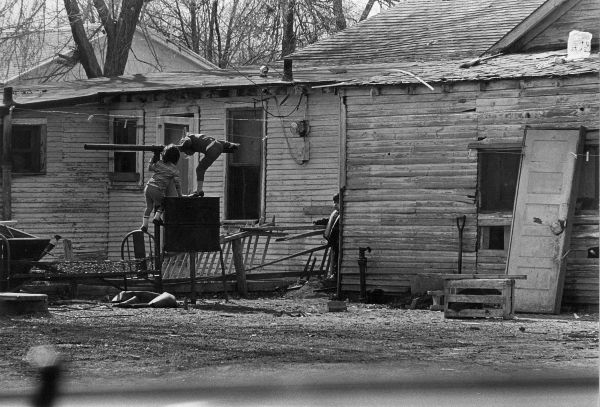
Photo by George Ballis

Poverty Trends

In the United States, the official measure of poverty compares a family’s money income against a family-size specific threshold. Money income includes private income from wages and salaries, self-employment, rent/interest/dividend income, and government cash transfers such as Social Security, disability, veteran’s payments, unemployment, welfare, among others. This information is collected in March of each year as a supplement to the roughly 50,000 – 60,000 households in the monthly Current Population Survey, and the income information refers to the previous calendar year. The family is the basic reference unit for poverty measurement, where family means two or more persons residing together and related by marriage, birth, or adoption. The income of all family members is summed to yield total family income for the year. All members of the same family, including related subfamilies, share the same poverty status. It is important to note that this measure excludes many of the programs borne out of the War on Poverty, such as the dollar value of food stamps and housing subsidies, Medicaid and Medicare, and also excludes tax liabilities and the refundable Earned Income Tax Credit. Spending on these programs now exceeds $1 trillion, but they are not part of the official poverty rate.
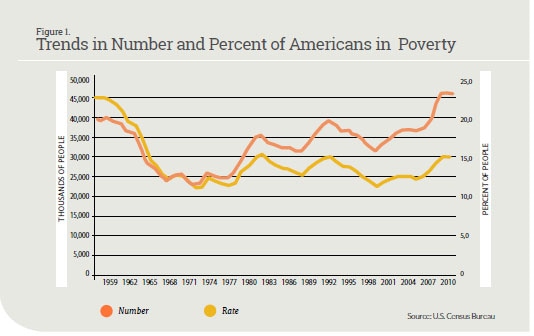
figure-1-ziliack

The poverty threshold for a family is based on a 1955 survey of American families whereby it was determined that the average family of three or more persons spent about one-third of their after-tax money income on food purchases. This implies that after establishing the appropriate food budget one could use a multiplier of 3 to establish an income cutoff for minimally adequate needs. The food plan adopted in the 1960s was the least costly of four nutritionally adequate diets specified by the U.S. Department of Agriculture known as the ‘economy’ food plan. The poverty line was first implemented in 1967, and in each year since it has been updated by changes in the consumer price index. This means for purposes of poverty measurement we have allowed no adjustment for changes in the standard of living, including the fact that the average family of three spends closer to one-seventh of their budget on food today. In 2014 the poverty line for a single individual is $11,670 and for a family of four it is $23,850.

Figure 1 depicts trends in the national poverty rate, as well as the numbers of persons in poverty, from 1959 through 2011. As seen in the figure, the overall poverty rate was about 22 percent in 1959, and the number of Americans living in poverty was about 40 million. Within a decade, poverty fell by half. Since 1970, however, while moving up and down with the business cycle, both the poverty rate, and especially the number of poor, have trended upward such that in 2011, 15 percent of the population was poor, or over 45 million people. Research suggests that this post-1970 experience is due to a host of factors, the most prominent of which include the slowdown of economic growth, rising inequality (including declining inflation-adjusted wages among less-skilled workers), and the rise in female-headed families.

Geography of Poverty
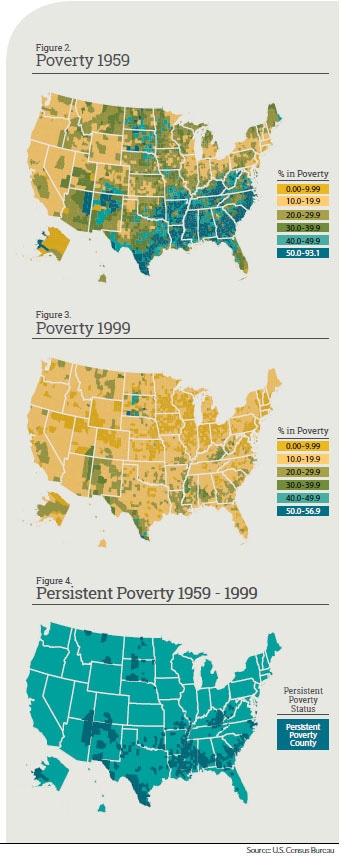
Figure 2-4 ZiliackWhat is missing from Figure 1 is the vast differences in poverty rates across the country. For example, while the overall poverty rate in 1959 was 22 percent, Figure 2, which depicts poverty rates at the county level from the 1960 Decennial Census, shows that in much of the rural South and Native American territories poverty rates exceeded 50 percent. It was this level of deep poverty that then-Senator John F. Kennedy witnessed during a campaign stop in West Virginia in his 1960 bid for the presidency, and subsequently shaped his domestic agenda and that of President Johnson.

Overall, rural America shared in the prosperity of the ensuing decades, such that by the end of the economic boom of the 1990s, the excessive high rates of poverty were mostly absent, as depicted in Figure 3. But upon closer examination what one sees is the emergence of pockets of persistently high poverty. Specifically, following the USDA definition, a persistently poor county is one with a poverty rate above 20 percent across Decennial Censuses. In Figure 4 this is represented across each Census year from 1960 to 2000. The figure shows that these persistently poor counties, which represent about 11 percent of all counties, are generally clustered in five regions: central Appalachia, the “Black Belt” region from the Carolinas to Alabama, the Mississippi Delta, the Texas “colonias,” and counties with Native American reservations in the western U.S. These five regions vary greatly in terms of race, ethnicity, geography, culture, and primary economic specialization. What they have in common, and what distinguishes them even from other rural counties, is low levels of formal education attainment, low labor force participation rates, low capital expenditures, and greater distance from urban economic hubs, which when combined, help explain the high rates of poverty persistence. An obvious question to ask is, which factor matters most?

Long Reach of Human Capital

Historical sociologists have theorized that patterns of land tenure in Appalachia and the Mississippi delta, where ownership was highly concentrated, led to the development of institutions that contribute to those regions’ low incomes today. Macroeconomists have also pointed to the role of climate and geography; namely, temperate climates have more predictable rainfall, better soil quality, and lower disease prevalence than tropical areas. Again in the U.S. context, this may place the coastal regions at an advantage relative to the South and Appalachia.

In a recent study at the Center for Poverty Research at the University of Kentucky, we run a “horse race” of sorts to understand whether the persistently poor counties are where they are economically because of lower levels of human and physical capital, less efficient use of their human and physical resources, or from historical contributions of institutions, culture, and geography. Our research points to the key role that education plays both contemporaneously and historically in the development of these poor counties—shortfalls in human capital account for about 60 percent of the income gap between persistently poor and non-poor counties. While persistently poor counties historically were also warmer, had lower stocks of physical capital, fewer foreign-born residents, and were less urban, what really stands out is that persistently poor counties today had, on average, illiteracy rates 25 percentage points higher than did non-poor counties a century ago. In recent decades, gains have been made in closing the gap in high school graduation rates, but while that gap narrowed, the gap in college completion rates widened just as college was becoming more important for the economic success of families and communities. In other words, human capital has a long reach.

Policy Considerations

The most important factor contributing to persistent poverty in rural America today is low levels of human capital. While daunting, this is not an insurmountable barrier from a policy perspective. Substantial investment in education from prekindergarten through higher education, coupled with incentives to retain the recipients of the investments, are needed for poor rural regions to have a chance of catching up to the rest of the nation. These investments in education, coupled with economic development programs that aim to diversify the economic base around nearby urban centers, may offer a path out of persistent poverty.

Whether this investment should come from the state and local level, or the federal level, or both, is the subject of much debate. Most agree that state and local governments should invest in their local communities across a host of dimensions from education to health to business incentives, but if and how the federal government gets involved is another matter. If people are mobile across communities, and state lines, in response to additional opportunities offered by education, then there are clear grounds for federal investment in schooling from pre-K and beyond. However, investing in schooling is a long-term proposition and cannot be accomplished in isolation of present-day economic development needs—place-based policies such as infrastructure projects, business subsidies, and even public-works jobs akin to the Works Progress Administration after the Great Depression.

Proponents of place-based policy typically make an appeal on redistributive grounds, i.e. persistently poor regions are trapped and there is a national interest in ameliorating those deficits through direct investment. The case against such place-based intervention follows from the belief that helping poor places is not the same thing as helping poor people—business subsidies may just induce new firms to bring new migrants to the area and not hire locals. This drives up local prices harming the poor who tend to be renters. However, federal involvement cannot be ruled out in the persistently poor regions of the country if the primary consideration is to ameliorate historical deficits in human capital and overall well being of the regions.
There is some precedent for effective federal investment. In an evaluation of the introduction of the Appalachian Regional Development Act in 1965, research showed that the ARDA reduced Appalachian poverty between 1960 and 2000 by 7.6 percentage points relative to the rest of the U.S., and 4 percentage points relative to border counties. These anti-poverty gains were most pronounced in the Central Appalachian region. Most of the benefits were realized in the first five years of the law when the investment was largest. This suggests that federal involvement will be most effective if it well targeted and sustained.

James P. Ziliak Founding Director of the Center for Poverty Research at the University of Kentucky where he holds the Carol Martin Gatton Endowed Chair in Microeconomics in the Department of Economics. Dr. Ziliak’s research interests are in the areas of labor and public economics, with a special emphasis on U.S. tax and transfer programs, poverty measurement and policy, and inequality.

Islam, T., J. Minier, and J. Ziliak. Forthcoming. “On Persistent Poverty in a Rich Nation.”
Southern Economic Journal.
Revisiting Poverty in Rural America

Where are we 50 years after the war on poverty began?

In the 2014 special edition of Rural Voices magazine, HAC revisits the issue of rural poverty with frank questions, informed viewpoints, and honest assessments. Experts and contributors from across the nation help provide a better understanding of this complex issue and its intersection with housing in rural communities.

rv-se-2014-cover

Where are we 50 years after the war on poverty began?

In the 2014 special edition of Rural Voices magazine, HAC revisits the issue of rural poverty with frank questions, informed viewpoints, and honest assessments. Experts and contributors from across the nation help provide a better understanding of this complex issue and its intersection with housing in rural communities.

FEATURES

Rural Poverty, Before & After the War
by James P. Ziliak, Center for Poverty Research and Department of Economics, University of Kentucky

The 50th anniversary of the War on Poverty has generated scores of articles, books, and radio and television reports. Lost in much of this coverage is the acute hardship facing rural America at the dawn of the 1960s, and the role this played in shaping the nation’s response to poverty.

A Frank Discussion on Persistent Poverty in Rural America

Forgotten or hidden from mainstream America, several rural areas and populations are isolated geographically, lack resources and economic opportunities, and have suffered through decades of disinvestment and double-digit poverty rates. Persistent poverty is most evident within several rural regions and populations, including the Lower Mississippi Delta, the rural Southeast, Central Appalachia, Native American lands, the colonias along the U.S. Mexico border, and migrant and seasonal farmworkers.

Among the most economically depressed areas in the country, addressing social, economic, and housing problems has proved challenging. To help better understand this issue, Rural Voices spoke with five housing experts, each with decades of experice providing housing and working with low-income familes in persistent poverty areas. Their firsthand knowledge presents an unparalleled view into the harsh reality of families and communities grappling with long-term poverty. These experts offer their insights, passion, and commitment to help solve what is often considered an intractable problem.

  • Bill Bynum is the CEO of Hope Enterprise Corporation/Hope Credit Union (HOPE). Bill has worked with HOPE for over 20 years providing banking opportunities to low-income individuals and families in the Mid South.
  • Tom Carew is the Executive Vice President of Membership and Advocacy at the Federation of Appalachian Housing Enterprises (FAHE). Tom has more than 34 years of experience providing affordable housing in Central Appalachia.
  • Ann Cass is the Executive Director of Proyecto Azetca and has over three decades of experience working in the Texas border colonias.
  • Emma “Pinky” Clifford is the Executive Director for the Oglala Sioux Tribe Partnership for Housing (OSTPH). As a tribal member of the Oglala Sioux, Pinky has worked to improve access to safe, affordable housing with OSTPH for the past two decades.
  • Selvin McGahee is the Executive Director of Florida Non-Profit Housing, Inc. and has spent his career working to provide affordable housing in the rural Southeast and farmworker housing.

Decline in Senior Poverty: A Success Story…
by the Housing Assistance Council

One of the biggest successes in reducing poverty has been among older Americans.

…With a Cautionary Outlook
by Kim Datwyler, Executive Director, Neighborhood Nonprofit Housing Corporation (NNHC)

Staying Housed on a Fixed Income: The Importance of Available Affordable Housing for Seniors

From a Spare Bedroom to a Home of Her Own
by Stacey Howard, Dream$avers IDA Program Director, NeighborWorks Umpqua

A Single Mother’s Struggle Out of Poverty to Provide a Better Life for Her Son

Innovative Approaches to Reducing Poverty Locally

The problem of poverty is often viewed from a national or regional perspective. But success in moving people out of poverty can emanate from community-specific innovation and solutions.

  • Job Skills through Housing Development – Motivation, Education, Training, Inc. (Texas)
  • Combating Poverty in Puerto Rico with Job Training & Economic Development – Pathstone (Puerto Rico)
  • IDAs Help Low-Income Families Save for Increased Opportunities in Rural Oregon – NeighborWorks Umpqua (Oregon)

A VIEW FROM WASHINGTON

“The People Left Behind” Are Today the People Still Behind
by Joe Belden and Lance George

Additional Content

rv-se-infographic-piraPoverty in Rural America

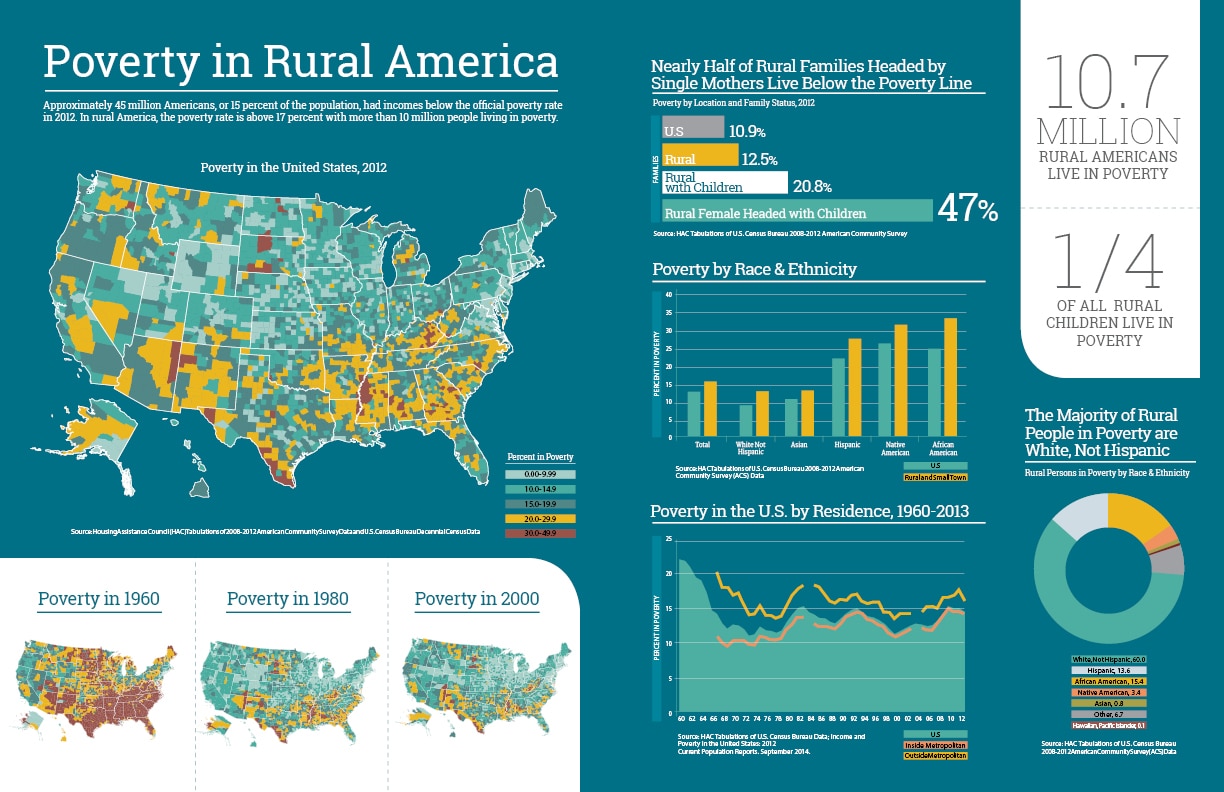
Approximately 45 million Americans, or 15 percent of the population, had incomes below the official poverty rate in 2012. In rural America, the poverty rate is above 17 percent with more than 10 million people living in poverty.

Rural Voices would like to hear what you have to say about one, or all, of these issues. Please feel free to comment on this story by sending a tweet to #RuralVoicesMag, discuss on the Rural Affordable Housing Group on LinkedIn, or on our Facebook page.

The Daily Yonder – Rural Mortgage Activity Declines

by Keith Wiley, Research Associate at the Housing Assistance Council

Rural mortgage markets continue to struggle in the aftermath of the national housing crisis.

The number of home loans in rural areas declined by 14.1% between 2012 and 2013, according to the most recent Home Mortgage Disclosure Act (HMDA) data. The drop-off in lending is largely related to refinance activity. Gradually increasing interest rates and tighter underwriting criteria have slowed mortgage refinancing nationally, as well as in rural communities. Refinance lending in rural and small town communities declined by 23% in 2013 from 2012 levels.

Rural home purchase lending, on the other hand, increased by 2.3% from 2012. After reaching a 10-year low in 2011, rural home purchase loans increased for the past two years to 440,489 in 2013.

While these trends suggest an improvement in home sales, rural and small town home purchase loans remain 52% below the pre-recession levels of 2006. Home purchase loans continue to make up a smaller portion (35%) compared to refinance loans (57%) of all rural lending activity.

Read the full story at The Daily Yonder

What does affordable housing mean to you? Rural families share their stories

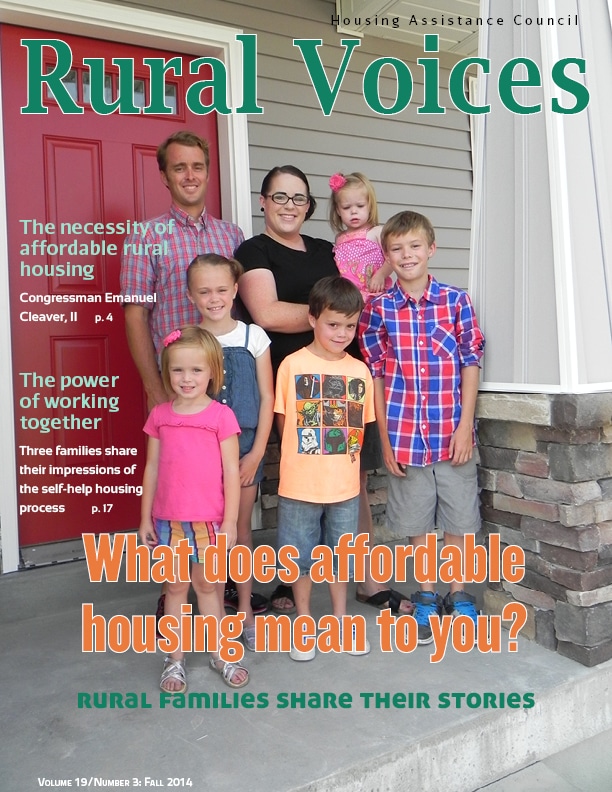
The Fall 2014 issue of Rural Voices presents the perspectives of rural families, their challenges of living in unaffordable or substandard conditions, and how they ultimately utilized federal resources to obtain quality housing. These success stories almost always involve innovative community-based organizations that provide the vital link between housing resources and the families who need them.

What does affordable housing mean to you?The Fall 2014 issue of Rural Voices presents the perspectives of rural families, their challenges of living in unaffordable or substandard conditions, and how they ultimately utilized federal resources to obtain quality housing. These success stories almost always involve innovative community-based organizations that provide the vital link between housing resources and the families who need them.

VIEW FROM WASHINGTON

Affordable Rural Housing: It’s Not a Nicety But a Necessity
by Congressman Emanuel Cleaver, II, Missouri’s Fifth District

Congressman Emanuel Cleaver, II, shares his housing story and offers his views on housing across the country

FEATURES

The Balancing Act
by Joey Henderson, Florida Home Partnership, Inc.

A single mother’s self-help journey

“Our Home, Our Community”
by Lucero Cortez and Erika Parkinson, Catholic Charities of Yakima

Zaida Elena Lopez and Ivan Chavez

Making Almost Heaven a Reality in Rural West Virginia
by John David, Southern Appalchian Labor School (SALS)

Converting a log cabin to a modern home means this widow does not have to live in the cold

The Power of Working Together

Three families share their experiences with USDA’s Mutual Self-Help Program

“I’ve lived here my whole life.”

Leslie Robbins, Jr.

Self-Help, Sweat Equity and Success
by BC EchoHawk, National American Indian Housing Council (NAIHC)

“It made me feel good, it made me powerful and I’m looking forward to spending whatever days I have, God bless me, in that house.”

A Farmer’s Fight
byYuqi Wang, Bill Emerson National Hunger Fellow

Many Hmong farmers have recently experienced financial problems from faulty loans

Additional Content

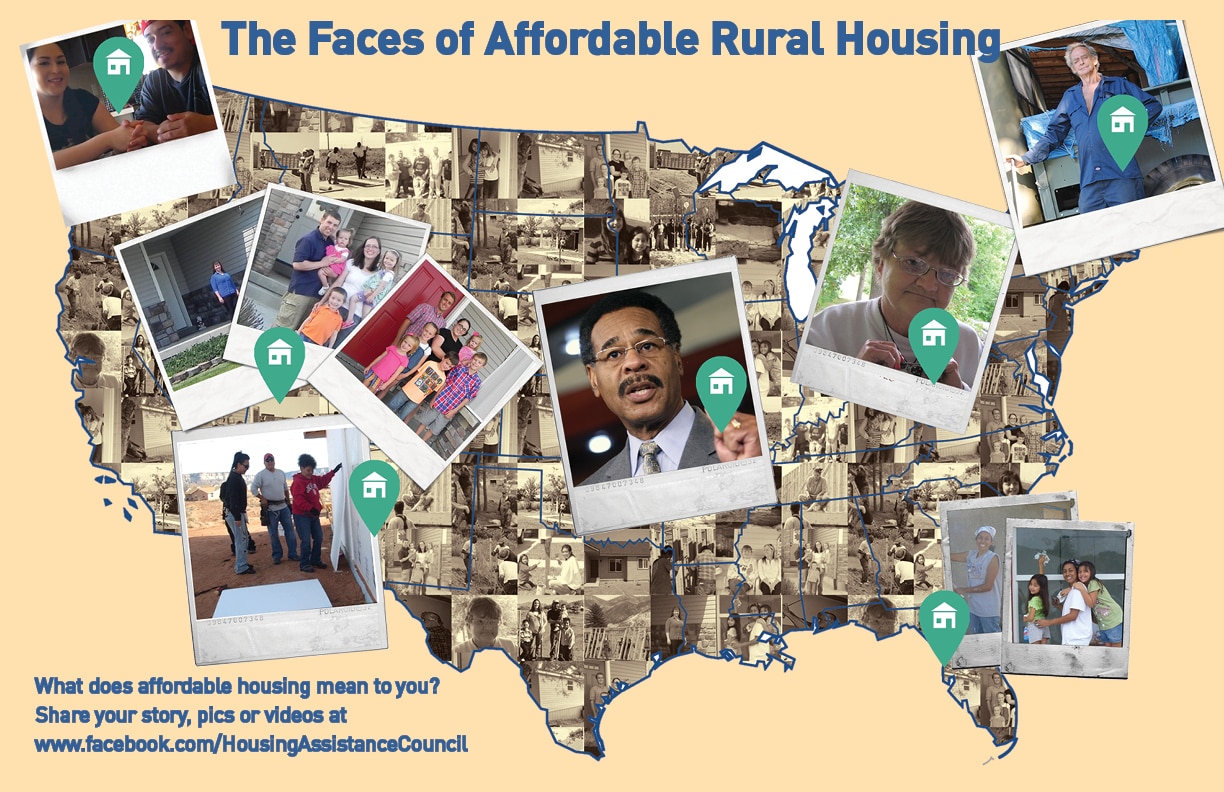
rv-fall-2014-mapThe Faces of Affordable Housing

What does Affordable Housing Mean to You?

“We wouldn’t want to live any place else”

The Davis Family (SALS, WV)

Rural Voices would like to hear what you have to say about one, or all, of these issues. Please feel free to comment on this story by sending a tweet to #RuralVoicesMag, discuss on the Rural Affordable Housing Group on LinkedIn, or on our Facebook page.

The Power of Working Together

Three families share their experiences with USDA’s Mutual Self-Help Housing Program

Rural Voices - Fall 2014This story appears in the Fall 2014 issue of Rural Voices

Mutual Self-Help is a USDA Rural Development program administered by community-based nonprofit housing organizations that makes housing affordable through “sweat equity”. Families work together as a group to build approximately 65 percent of their homes. This labor not only acts as the down payment, but can substantially reduce the price of the home. However, it is hard work and it does require commitment. Households work together, with each family contributing a minimum of 35 hours of labor per week for approximately 8 to 12 months. The homes are built simultaneously; no one moves in until all the homes are completed.

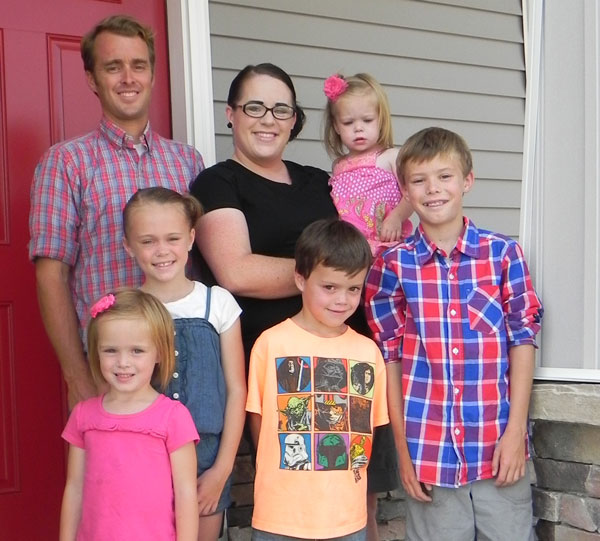
Dillan and Lacie; Rebecca; and Anita and Robbie all participated in the Neighborhood Nonprofit Housing Corporation (NNHC) mutual self-help program. Below each family recounts their challenges, successes, and experiences building their own home and helping other families build theirs.

How did you first hear about self-help housing?

Dillan: When attending school, Lacie and I had no thoughts of buying, let alone, building a brand new house. Because I am a student, the idea of securing a home loan was near impossible, until we heard about Neighborhood Nonprofit’s housing program. A family member mentioned to me an advertisement they had seen in the newspaper one day and I just stopped in the office to see what it was about. Ten months later here we are in the final stages of building our beautiful new home. The process was very simple to qualify for the program and the Neighborhood Nonprofit staff was very helpful.

Dillan and Lacie are both originally from Cache Valley, UT and wanted to raise their children there. Lacie is a stay at home mom. Dillan is a returning student at Utah State University and plans to be a teacher.Dillan and Lacie are both originally from Cache Valley, UT and wanted to raise their children there. Lacie is a stay at home mom. Dillan is a returning student at Utah State University and plans to be a teacher.

Rebecca: I had previously heard about Self-Help housing a couple of years before applying, but I did not want to make such a major decision so soon after my husband’s death. I also didn’t see how I would be able to put in the time needed to build as a single mother. It wasn’t until after I tried unsuccessfully to find affordable housing for my family that I decided to throw in my application and see what happened.

Anita: We heard about the Self-Help program from one of my husband’s coworkers. They had built in the nearby town of Nibley, UT. We decided to look into the program after looking for houses to buy became discouraging. We knew that my staying at home with our children would make it difficult to afford one. We were also excited about the opportunity to learn the skills involved with building a house. We are grateful we learned these skills because we feel more prepared to maintain our home.

What was the construction process like?

Anita: During the time we built, life was so busy! I was pregnant when we started, so my husband did most of the work for the first several months. Life was hard but we were excited for the end result. It took our group ten months to finish all our homes. We worked with really great people. Everyone had the same attitude to work on each other’s home like it was their own. This created a positive working environment. I would say the hardest challenge we faced was everyone getting burned out and not working as fast as we had hoped. I was glad to be able to go out and work too. Working together on our home taught us a lot and was a great benefit to us recently when we finished our basement.

Dillan: While the qualification process was simple, the building process has not been quite as simple. Building each home together has been challenging and rewarding at the same time. The families in our group have worked so hard together and have accomplished so much. The program has not been easy, but it has been worth it. I believe that each family will leave the program with a greater sense of community and friendship because of the hard work that everyone has endured.

Rebecca: My youngest was only three when I started building! Since my oldest was just 12, I was the only one in our family that was able to work on the homes. To be honest, it was a difficult process for me to build; besides having five children and no spouse, I am a student at Utah State University. A typical day would start at 4:30 a.m. I had to get up that early to get everything ready for the day, including dropping off my children at school and getting myself to class. After school was out, I would have to rush to pick up my children and take them to a baby sitter (none of them were old enough to be on the site) and then get myself to the work site. I usually wouldn’t get home until after 10:00pm. I still had to put kids to bed, take a shower (get all the sawdust and grime off that I’m allergic to), and do regular household chores.

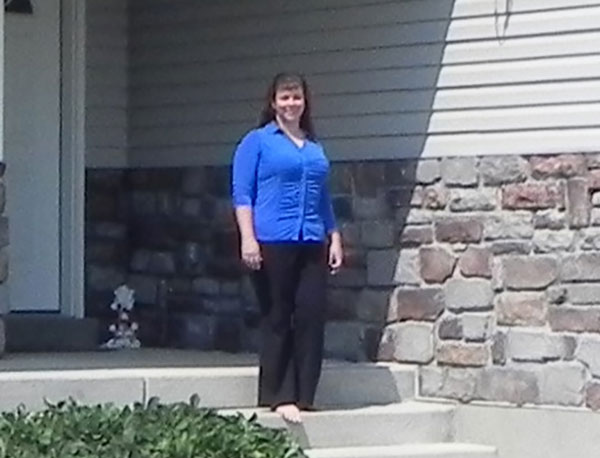
Rebecca is a widow with five children ages 16, 15, 12, 10, and 7, and is currently a student at Utah State University pursuing a degree in Social Work.Rebecca is a widow with five children ages 16, 15, 12, 10, and 7, and is currently a student at Utah State University pursuing a degree in Social Work.

What were your living conditions before and after your participation in the self-help program?

Rebecca: Before [the Self-Help program] we had been living in a three-bedroom apartment for about two years. It was definitely cramped; my two daughters shared one bedroom, and my three sons shared another bedroom. We all needed some personal space. In addition, the apartment would flood occasionally, so it had mold and mildew issues and smelled terrible. It was also where we were living when I lost my husband and the children lost their dad. That apartment created some difficult memories for us. It was really healthy, both physically and emotionally, for us to get out of that environment. Every day, I count my blessings – I have a house, a yard, and good neighbors. I love the neighborhood! One especially nice benefit to having our home is having a back-yard big enough to grow a garden. I could never afford to buy fresh produce for my family. Now, we eat fresh food that we’ve grown ourselves!

Anita: Before we built our house, we lived in a townhouse. The community was nice but the main thing that was missing was a private backyard. One of my favorite features of the program was being able to move in having our landscape and fences included in the building process. I love being able to send my own kids out to have fun in our large fenced-in area. One other major unexpected benefit to having a fenced-in backyard was that it helped my preschool business. My city requires all new preschools to have a fenced-in backyard. This could have been an expensive hurdle but thanks to the Self-Help specifications, this was included.

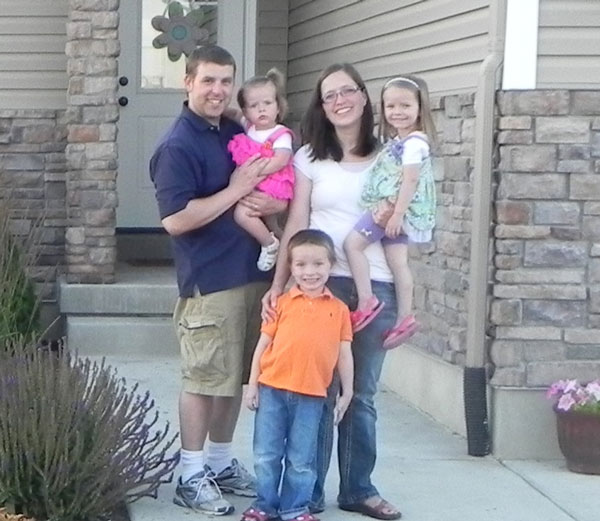
Gerber-family-cropped-webAnita and her husband Robbie have three children all under the age of six. Anita is a stay at home mom who started her own preschool business. Robbie is a conference coordinator for Utah State University.

Dillan: Before the Self-Help program and as students with a large family, our housing conditions have been, at times, hard to deal with. Now that we are able to have a home to call our own it has given our family and especially our children a place to feel comfortable and more importantly a place to stay for a long time. We now have a “Room with a View,” a place to grow together and create lasting memories.

What specific successes or challenges did you experience?

Dillan: A challenge we faced in our group was learning to work together on a home that wasn’t your own. The workmanship as well as the attitude of all the families involved improved once everyone truly figured out that no one could move in to their own homes before the other houses were completed. No work was completed without the thought of “If it was my home, would I do it like that?” When this concept was grasped, the work excelled in speed and accuracy. Although this and other things were challenges, the successes far exceeded them. A friendship has been made between the families as we worked hard together.

Rebecca: It took a lot of determination to get my weekly hours in and keep up with my other responsibilities. Because it is easier to meet the time requirements if the family is a two parent household (it’s estimated that both husband and wife can come in together one day a week), I had to go in outside of the group’s regular work hours in order to work my full 35 hours per week. During the building process, I had to have two surgeries on my broken leg. While on crutches, and not allowed on site, I had good people that helped donate hours so I could keep up.

I love the neighborhood. I got to know my neighbors really well while we built – both the good and the bad! We learned to work with everyone’s personalities, and I think we learned the importance of not saying things we would regret later. Now, we have a real sense of taking care of each other. It is like having a built-in Neighborhood Watch Program! I have developed some very good friendships from the time we spent building together.

Anita: We are very grateful to have been able to build our home through the Mutual Self Help process. We learned a lot from our construction supervisor and have a lot of respect for him. He made sure things were done the right way. The process was hard; but worth it because we not only got a beautiful home but gained knowledge and friendships.

My father passed away a couple months into the building process. It was very unexpected and very difficult. Because we had to travel to the funeral, the people in our group told us they would donate any hours we needed to cover our weekly hours. Our group was very generous and kind. We truly appreciated them. We know these families care about us. On the anniversary of our open house, we always have a get-together to celebrate. We love the families we built with!

Neighborhood Nonprofit Housing Corporation (NNHC): A Utah-based nonprofit committed to creating quality affordable housing opportunities in their communities and giving households skills necessary to become self-sufficient. NNHC offers programs such as mutual self-help housing, and housing and foreclosure counseling, and as well as loan products.

Second round of Promise Zone Competition announced

The Obama Administration invites a new round of eligible applicants to apply for a Promise Zone designation. HUD will designate six urban communities and USDA at least one rural and one tribal community as Promise Zones. This initiative targets high-poverty communities for job creation, economic development, and additional special assistance in an effort to drastically improve conditions for communities suffering persistent poverty. Applications are due November 21, 2014 by 5:00 PM EST.

Audience Focused Webcasts

To assist communities with the application process, HUD and USDA are hosting three Promise Zone Initiative Webcasts:

Tribal Webcast
September 29, 2014, Monday
1:00-2:00p.m. EST (please adjust for your local time)

Rural Webcast
September 29, 2014, Monday
3:00-4:00 p.m. EST (please adjust for your local time)

Urban Webcast
October 1, 2014, Wednesday
3:00-4:00 p.m. EST (please adjust for your local time)

More information

GET THE HAC NEWS!

Sign-up for HAC information products

SIGN UP HERE

Housing Assistance Council   |  1828 L Street. N.W., Suite 505, Washington, D.C. 20036
(202) 842-8600 (202) 347-3441 hac@ruralhome.org |

Board Portal

HAC is an equal opportunity provider, employer, and lender. | Civil Rights | Privacy