Tag Archive for: Rural Housing

Making a Difference in Rural America

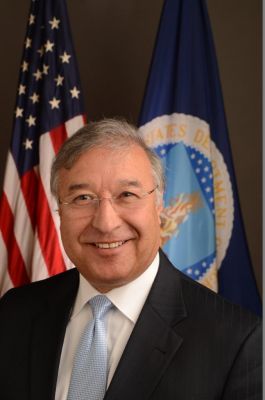
Administrator Tony HernandezUSDA Rural Housing Services Administrator Tony HernandezNewly appointed Rural Housing Service administrator shares his thoughts and priorities for USDA’s housing initiatives.

I am honored and pleased to be the new administrator at the U.S. Department of Agriculture’s (USDA) Rural Housing Service (RHS). For more than 60 years, USDA has helped millions of rural residents become part of the American Dream of homeownership. I look forward to the opportunity to continue and expand this agency’s historic accomplishments.

I have now been on the job for some time and have been impressed by the vital work that we do to provide housing and community facilities in Rural America. In my 26 years in community development, I have strongly believed that housing is a conduit to family, neighborhood and community. I see RHS as a community development agency. The multiple roles we play—catalyst, partner, advocate, regulator and investor—improve people’s lives and create better communities.

With its wide open spaces filled with lush, natural beauty, combined with its small-town charms, rural America is a great place to live and raise a family. And, although rural America is changing due to the rise of new technologies like the Internet and the advent of globalism, one thing still holds true: homeownership remains one of the single-most important factors that help our rural communities thrive and prosper economically.

The resources in our community development toolkit include homeownership programs for rural families. USDA has two primary Single-Family Housing Programs that are a major provider of homeownership opportunities in rural communities. The direct homeownership loan program helps very low- to low-income families. It is designed to open the door to homeownership to those who do not qualify for mortgage credit from conventional lenders. These loans are available to families and individuals with reasonable credit history and dependable income. This is not a government handout. Direct loans are repaid and subsidized to lower the monthly loan payment at a relatively small cost to the government.

My major priority is to focus on enhancing customer service through improved business processes.

For moderate-income families, we offer a guaranteed homeownership loan program and partner with participating private-sector lenders to provide home loans in rural areas at reasonable rates and terms.

For many Americans, especially those in rural areas, a home is the largest asset they will buy in their lifetime. Homeownership provides multiple, long-term benefits. It leads to greater economic security for families, who often can use the equity in their homes to build their credit, finance their children’s educations, improve the value of their property, or finance other necessities such as health care. Homeownership also helps families to plant long-term roots in their community.

Many rural residents who buy homes through USDA programs are first-time homebuyers. We also help current homeowners improve their homes through USDA rehabilitation loans or grants. Very low-income homeowners who are age 62 or older can qualify for grants to make health and safety improvements – such as accessibility accommodations – in addition to repairs. We are proud that USDA helps families start on the path of economic stability and a more secure future through homeownership.

The benefits of our housing programs extend beyond the homeowners themselves. USDA home loans also create economic opportunities for home builders, providers of durable goods such as lumber or appliances, and Realtors. USDA home loans often represent the majority of the business volume for many Realtors. Finally, local governments also benefit from increased revenue through property taxes. In fact, in many jurisdictions, property taxes from homeowners are the largest source of revenue. This is particularly true in rural communities where there are relatively fewer businesses compared to homeowners.

Homeownership is essential to the fabric of life in rural America, for our families, and for the communities in which they live.

Creating viable communities also means providing opportunities for families and seniors to have good rental housing as well as good housing for farm workers. In partnership with multi-family property owners and their property managers the USDA Multi-Family Housing programs assist in creating rental homes that support and encourage families to be part of their communities. USDA also provides rental assistance to help very low-income families and senior citizens find safe, decent housing at an affordable cost. USDA provides these rental assistance subsidies to these families to offset the difference between market rents and a monthly amount they can afford.

I would be remiss if I failed to note that USDA offers several other forms of assistance to rural communities to complement our strong housing programs. In addition to housing, successful communities need community facilities that help them to be and remain a viable community. Our RHS Community Facilities program helps communities finance the development of essential services and buildings such as hospitals, child care centers, libraries, mental health clinics, first responder vehicles and equipment, and other community assets that help make communities strong and self-sufficient.

Our successes are our families. Here are some numbers:

  • In Fiscal Year (FY) 2008, USDA guaranteed loans created approximately 63,000 homebuyers. By FY 2013 (which ended September 30, 2013), annual loan volume had climbed by more than 100,000 loans – an increase of more than 158%.
    From the start of FY 2009 through the end of FY 2013, the program financed more than 700,000 homeowners. Rural Development financed about 3.6 times the number of loans the agency had financed during the previous five years.
  • Loans are only part of the story. The full story is about the people. My major priority is to focus on enhancing customer service through improved business processes. With the reduction of staff that RHS has experienced over the last few years doing more with less requires the team to implement new business processes to better serve our customers, improve the predictability of the process, and enhance productivity of our great staff. Many of the RHS processes have not had dedicated budget dollars to automate. This year’s technology budget has created the opportunity for RHS to implement automation solutions that will improve the quality, standardize processes, improve staff productivity, and provide better customer service.

And to better serve the people, one of my first priorities is to help improve processes and service at our Customer Center in St. Louis. Our success there will enhance customer service, reduce financial and regulatory risks, improve staff productivity, improve staff morale, and create employee development opportunities.

We recently assembled a Single-Family Housing Rapid Improvement Team of experienced staff from St. Louis and Washington, D.C. The team also included lenders, a representative from the Department of Housing and Urban Development, a USDA Rural Development State Director, and a USDA Rural Development Program Director.

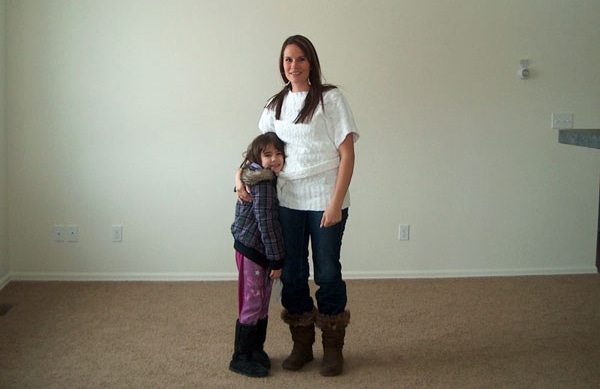
Johnston Family Rural Development Home - USDAJohnston Family, USDA Rural Development Home – Creative Commons photo

I have implemented various business improvement techniques to identify other business processes for improvement. The following are some of the areas of focus:

For our Single Family Housing loan guarantee program, we are working to improve our processes for loan loss mitigation to help borrowers who are in danger of default. We are improving our front-end image processing for loan documents. And we are implementing an automated process for loan closing. We are also working towards implementing delegated loan underwriting to reduce workloads for both lenders and RD staff. In addition, we’re working on a single close, construction to permanent loan to streamline processes and reduce costs.

For the Single Family Housing Direct loan program, we are working to improve our processes for acquired properties (Real Estate Owned) to better manage these properties. We are streamlining our loan origination system and implementing a program to work with loan packagers for outreach and loan application submission.

In our Multi-Family programs, we are working on an electronic loan application, we are streamlining the processes for transfers of properties when an owner wishes to sell. To streamline property inspections, we are investing in hand-held devices. We are also working on an electronic loan/grant application for our Community Facilities program.

One of the critical success factors to better customer service is implementing program processes that are understandable, easy to go through, predictable, transparent, and done in partnership with our customers and stakeholders. As part of RHS’s business process improvement, I welcome the wisdom and input of all our great partners on how we can better serve the needs of rural America. Please do not hesitate to contact RHS with your ideas.

As the Administrator of USDA’s Rural Housing Service, I can assure you that I and everyone on our team are committed to improving the lives of rural Americans and creating ladders of opportunity. Using all of our community development tools and through our strategic partnerships we make a huge difference in the lives of millions of rural Americans every day.

I look forward to working with all our stakeholder groups to make a difference through partnership, collaboration, investment, and advocacy for rural America.

Tony Hernandez is Administrator of USDA’s Rural Housing Service.

HAC News: July 9, 2014

HAC News Formats. pdf

July 9, 2014
Vol. 43, No. 14

• Castro confirmed as HUD secretary • Civil rights anniversary noted • Section 514/516 preapplications due September 2 • HUD offers FY14 and FY15 HOPE VI Main Street funds • Treasury and HUD announce rental housing initiative • CRA regulators update list of distressed or underserved nonmetro middle-income geographies • New report examines rural rental housing • New York Times piece on rural poverty draws criticism • HAC calculates 8,000 USDA properties will pay off loans by 2020 • Concentration of poverty has increased, Census Bureau reports • HAC’s website redesigned

July 9, 2014
Vol. 43, No. 14 [tdborder][/tdborder]

CASTRO CONFIRMED AS HUD SECRETARY. On July 9 by a 71-26 vote the full Senate confirmed Julián Castro to replace Shaun Donovan as Secretary of HUD. The Senate has not yet voted on Donovan’s nomination as the new OMB director. (See HAC News, 5/28/14.)

CIVIL RIGHTS ANNIVERSARY NOTED. President Obama proclaimed July 2, 2014, as the 50th Anniversary of the Civil Rights Act, which was signed into law by President Lyndon B. Johnson on July 2, 1964.

SECTION 514/516 PREAPPLICATIONS DUE SEPTEMBER 2. Section 514 loans and Section 516 grants can be used for new construction or purchase and substantial rehabilitation of rental housing for farmworkers. Section 521 Rental Assistance is available. The maximum award is $3 million. Contact a USDA RD state office.

HUD OFFERS FY14 AND FY15 HOPE VI MAIN STREET FUNDS. Governments of counties, cities, and townships with populations under 50,000 are eligible for grants to replace unused commercial space with affordable housing in historic or traditional central business districts. Deadline is August 18. Contact Lawrence Gnessin, HUD, lawrence .gnessin@hud.gov.

TREASURY AND HUD ANNOUNCE RENTAL HOUSING INITIATIVE. The Treasury Department’s Federal Financing Bank will finance mortgages made by Housing Finance Agencies and insured by FHA under its risk-sharing programs. Treasury is also extending the Making Home Affordable homeowner assistance program for at least one year and requesting public input by August 8 on ways to improve the private label securities market for housing finance.

CRA REGULATORS UPDATE LIST OF DISTRESSED OR UNDERSERVED NONMETRO MIDDLE-INCOME GEOGRAPHIES. The annual list identifies census tracts where bank activities will be considered as “community development” under the Community Reinvestment Act. There are slightly fewer tracts on the list in 2014 than in 2013, presumably reflecting some improvement in the economy.

NEW REPORT EXAMINES RURAL RENTAL HOUSING. Rural America’s Rental Housing Crisis: Federal Strategies to Preserve Access to Affordable Rental Housing in Rural Communities, published by the National Rural Housing Coalition, documents the successes of USDA’s rental housing programs and the challenges facing them now, including preservation and Section 521 Rental Assistance funding.

NEW YORK TIMES PIECE ON RURAL POVERTY DRAWS CRITICISM. “What’s the Matter with Eastern Kentucky?” by Annie Lowrey describes economic decline in Clay County, KY and wonders whether moving away might be residents’ best option. Tim Marema and Betsy Taylor respond with critical posts on the Daily Yonder.

HAC CALCULATES 8,000 USDA PROPERTIES WILL PAY OFF LOANS BY 2020. The oldest Section 515 and 514 loans are reaching the end of their 50-year mortgage terms. “Maturating USDA Multi-Family Housing Loans will Impact Ten-ants explains that when a Section 515 or 514 loan is paid off, some tenant benefits (such as Section 521 Rental Assistance) are terminated. Tenant protection rules apply to prepayments but not to payoffs of mature loans. HAC’s Rural Policy Note recommends that USDA ask project owners to notify tenants well in advance of payoff.

CONCENTRATION OF POVERTY HAS INCREASED, CENSUS BUREAU REPORTS. The proportion of U.S. residents living in census tracts with poverty rates of 20% or higher fell from 1990 to 2000, then increased from 18.1% in 2000 to 25.7% in 2010. While the overall U.S. population grew by 10% over the decade, the number of people in these high poverty areas increased by about 56%. Of the people living in high poverty tracts in 2010, 51.1% lived in cities at the center of metropolitan areas, 28.6% in suburbs, and 20.4% in nonmetro areas. Census’s report, Changes in Areas with Concentrated Poverty: 2000 to 2010, includes maps and tables with data by state, race, age, and more.

HAC’S WEBSITE REDESIGNED. There’s a new look to the same great information at www.ruralhome.org.

Register now for upcoming HAC webinars:

and place-based trainings:

USDA Offers 514/516 Farmworker Housing Funds

Pre-applications are due September 2, 2014 requesting Section 514 loans and Section 516 grants for off-farm housing for farmworkers. Funds can be used for new construction or for purchase and substantial rehabilitation of a property that does not currently have USDA Section 514/516 financing. Section 521 Rental Assistance is available for new construction. Applicants may request up to $3 million (total for loan and grant).

Pre-application packets should be available on USDA’s website, or contact a USDA Rural Development state office for a packet.

USDA Multi-Family Fair Housing Occupancy Report FY 2013

USDA’s yearly occupancy survey shows the total number of properties in USDA’s rural rental portfolio fell by 2.48% from April 2012 to September 2013, a decrease of 346 Section 515 properties and 34 Section 514 properties. The reduction covers 5,092 apartments (1.14% of total units). The 2013 report is the first to include demographic data on Section 521 Rental Assistance (RA) households, and they appear generally similar to tenants in Section 515 properties. The average annual income of Section 515 residents has increased slightly to $11,747. For Section 515 tenants with RA, average income is $9,828.

Congress Agrees: Collaborative, Comprehensive Care Needed For Rural Vets

by Eric Oberdorfer

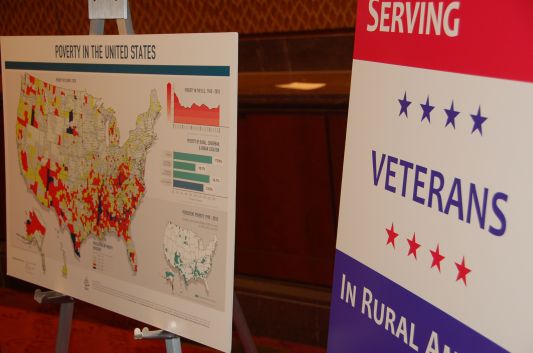
DSC_0019Rural America has a strong history of protecting our country. In fact, as highlighted in a recent report on rural veterans, veterans are more prevalent in rural America, comprising 11.4 percent of the rural population compared to 9.6 percent of the nation overall. However, providing needed services to veterans in rural America can often be more challenging due to the spread out nature of rural areas. These challenges were discussed in depth at a recent symposium held at the US Capitol.
Attended by Sen. Johnny Isakson of Georgia, Sen. Bernie Sanders of Vermont, and Rep. Tammy Duckworth of Illinois, each member of Congress noted the responsibility we share to ensure the well-being of our veterans, regardless of where they may live. It was encouraging to hear elected members of Congress discuss and acknowledge the challenges that exist in providing services to veterans in rural America.

Read the complete blog post at Rooflines.

HAC News: April 16, 2014

HAC News Formats. pdf

April 16, 2014
Vol. 43, No. 8

• House members question USDA officials about minimum rent proposal and support homeownership • April is National Financial Capability Month • USDA to hold phone or web meetings for Section 538 stakeholders • Rule proposed to implement oversight of appraisal management companies • Report makes case for homeless bills of rights • HUD releases interim report on Native American and Alaska Native housing • Entire nonmetro U.S. loses population for the first time, ERS says • State rental assistance programs study published • Health report for counties includes housing conditions for the first time • HAC reports on rural veterans’ housing • Recent blog posts cover decline of USDA housing, minimum rent proposal

April 16, 2014
Vol. 43, No. 8

HOUSE MEMBERS QUESTION USDA OFFICIALS ABOUT MINIMUM RENT PROPOSAL AND SUPPORT HOMEOWNERSHIP. At an Agriculture Appropriations Subcommittee hearing on April 4, Reps. Rosa DeLauro (D-CT) and Robert Aderholt (R-AL), the subcommittee chair, asked about the Administration’s budget’s $50 minimum rent proposal (see HAC News, 3/5/14). Housing Administrator Tony Hernandez emphasized that the request included provisions for hardship exemptions. Rep. Hal Rogers (R-KY), who is chair of the full committee, and several others criticized the budget’s low requests for Section 502 direct loans and the Section 523 self-help program. The archived webcast and written statements and testimony are available online.

APRIL IS NATIONAL FINANCIAL CAPABILITY MONTH. President Obama’s proclamation recommends consumers get free resources on managing money at www.MyMoney.gov and www.ConsumerFinance.govor call 1-888-MyMoney.

USDA TO HOLD PHONE OR WEB MEETINGS FOR SECTION 538 STAKEHOLDERS. Sessions are expected to be held in spring, July, and November. To receive notice of dates and times, register with Monica Cole, RD, 202-720-1251.

RULE PROPOSED TO IMPLEMENT OVERSIGHT OF APPRAISAL MANAGEMENT COMPANIES (AMCS). The federal agencies that oversee private lenders, along with the Consumer Financial Protection Bureau and the Federal Housing Finance Agency, request comments by June 9 on proposed regulationsfor AMCs. These are entities that serve as intermediaries for, and provide certain services to, appraisers and lenders. To be eligible to provide services for federally related transactions, AMCs and appraisers that are lender subsidiaries will have to meet federal and state standards and register in a national database. Contact Robert L. Parson, OCC, 202-649-6423.

REPORT MAKES CASE FOR HOMELESS BILLS OF RIGHTS. On April 15 the National Law Center on Homelessness & Poverty released From Wrongs to Rights: The Case for Homeless Bills of Rights Legislation.It describes the need for homeless bills of rights legislation, examines models of laws enacted and proposed in some states, and offers guidance on how to enact them.

HUD RELEASES INTERIM REPORT ON NATIVE AMERICAN AND ALASKA NATIVE HOUSING. Continuity and Change: Demographic, Socioeconomic, and Housing Conditions of American Indians and Native Alaskans,which uses secondary data sources, is part of the National Assessment of Native American, Alaska Native, and Native Hawaiian Housing Needs. The full report will include original research. The preliminary findings indicate that some socioeconomic differences between the American Indian and Alaska Native population and others have narrowed, but significant gaps persist in poverty, employment, and housing needs. Affordability is the most frequent housing problem for AIAN households, though crowding and physical inadequacy are common in some places. A separate report will cover Native Hawaiians.

ENTIRE NONMETRO U.S. LOSES POPULATION FOR THE FIRST TIME, ERS SAYS. USDA’s Economic Research Service reports that nonmetro areas in some parts of the country have experienced population loss for decades. However, 2010-13 marks the first period with an estimated population loss for nonmetro America as a whole, despite growth in some places. Some new regional patterns of growth and decline have emerged in recent years, such as growth in energy producing areas of the northern Great Plains. A Census Bureau analysisof population changes for the year ending July 1, 2013 notes this trend and others, including data for metropolitan and micropolitan places as well as nonmetro.

STATE RENTAL ASSISTANCE PROGRAMS STUDY PUBLISHED. State Funded Housing Assistance Programs,released by the Technical Assistance Collaborative, catalogs existing programs and identifies their key characteristics.

HEALTH REPORT FOR COUNTIES INCLUDES HOUSING CONDITIONS FOR THE FIRST TIME. The Robert Wood Johnson Foundation has added housing problems (cost burden, crowding, lacking plumbing or lacking kitchen) as a factor in its county health rankings. Other factors include smoking, high school graduation rates, unemployment, and many more.

HAC REPORTS ON RURAL VETERANS’ HOUSING. From Service to Shelter: Housing Veterans in Rural America, funded by the Home Depot Foundation, covers the characteristics of rural veterans and their housing, as well as issues facing them, and summarizes available housing resources. Veteran homelessness has decreased and housing conditions have improved, but rural challenges remain, such as the distance to service providers. HAC and the Home Depot Foundation hosted a symposium on serving rural veterans on April 9; materials are posted online.

RECENT BLOG POSTS COVER DECLINE OF USDA HOUSING, MINIMUM RENT PROPOSAL. “Analysis: Rural Housing Programs in Decline,” written by HAC staff for the Daily Yonder, reviews funding trends and the FY15 Administration budget request. “Obama Plan to Raise Rents on Rural Poor is the Wrong Way to Save Money,” a post on the Center on Budget and Policy Priorities blog, addresses the budget’s request to impose minimum rents on USDA tenants.

Coming Together for Rural Veterans: HAC’s Serving Veterans in Rural America Symposium

Sponsored by The Home Depot Foundationby Eric Oberdorfer

Rural America has a strong history of protecting our country. In fact, veterans are more prevalent in rural America, comprising 11.4 percent of the rural population compared to 9.6 percent of the nation overall. However, providing needed services to veterans in rural America can often be more challenging due to the spread out nature of rural areas. Aiming to draw attention to the housing needs of rural veterans, The Home Depot Foundation and the Housing Assistance Council convened Serving Veterans in Rural America: A Symposium on April 9th, 2014. Moises Loza of HAC and Heather Pritchard of The Home Depot Foundation welcomed the attendees.

HAC was honored to have Senator Johnny Isakson of Georgia, Senator Bernie Sanders of Vermont, and Representative Tammy Duckworth of Illinois as opening speakers. Each member of Congress noted the responsibility we share to ensure the well-being of our veterans, regardless of where they may live. It was encouraging to hear elected members of Congress discuss and acknowledge the challenges that exist in providing services to veterans in rural America.

Symposium Materials

From Service to Shelter

Power Point Presentations

Photos from the Symposium

#RuralVeterans Storify

Attendees also heard from Gina Capra, Director of the Office of Rural Health at the Department of Veterans Affairs (VA); Tony Hernandez, Administrator of the USDA Rural Housing Service; Keith Kelly, Assistant Secretary of Labor for the Veterans’ Employment and Training Services at the Department of Labor (DoL); and Ann Oliva, Director of HUD’s Office of Special Needs Assistance Programs. Each agreed that to best serve our veterans, federal agencies must collaborate. HUD, VA, DoL, and USDA must look for ways to work together within their respective programs that will best meet the comprehensive needs of our veterans. This includes housing, employment, and physical and mental health services.

Rep. Tammy DuckworthRep. Tammy Duckworth prepares her remarksFortunately, the elected members of Congress were united on this front as well. Representative Duckworth discussed the importance of partnerships to ensure veterans in tribal lands received supports. Senator Isakson noted the potential benefits of providing vouchers to rural veterans so that they may access local health care providers if distances to VA medical facilities are too great. He also noted the unsettling rise of suicides within the veteran population and the need to ensure that mental health services are available and accessible.

Another theme that emerged from the Symposium was the obligation to acknowledge the differences that exist between rural America and urban or suburban parts of the country. Agencies agreed that there is a need to change the way outreach and resources are provided to rural areas, especially for homeless veterans. Better data on rural veterans is critical to achieve this goal, and the uniqueness of rural America must be taken into account during data collection and service provision. The panel noted how important it is to remember that issues common to all veterans, like transportation needs, health care needs, unemployment, and housing concerns, are exacerbated in rural areas. Furthermore, the lack of internet in some rural areas can significantly complicate VA or other federal application processes.

The issue of veteran homelessness was also brought up frequently throughout the symposium. Although programs like HUD-VASH, which combine HUD housing vouchers with case-management and clinical services provided by the VA, have been credited in lowering veteran homelessness by 24 percent since 2009, there is still more work to do. This is especially true in regard to female veterans with children, who are more likely to become homeless than their male counterparts. Shockingly, caring for their children can complicate efforts to seek treatment and housing services, as many supportive housing developments are unable to house families. Representative Duckworth stated that it breaks her heart to see these individuals, who gave so much to protect our country, having to choose between a home or her family.

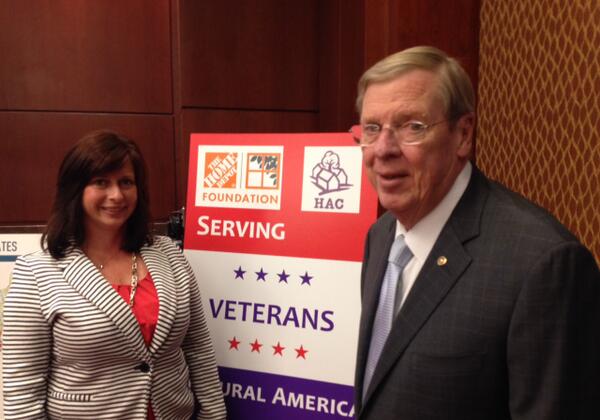
Heather Pritchard and Sen. Johnny IsaksonHeather Pritchard of The Home Depot Foundation and Sen. Johnny IsaksonThanks to the tireless work of housing providers in rural America, these issues are being addressed. The Symposium ended with a panel, moderated by Mark Williams of The American Legion, that showcased programs and initiatives that house veterans in rural America. Retha Patton of Eastern Eight CDC, Rita Markley of the Committee on Temporary Shelter (COTS), and Kenn Sassorossi of Housing Vermont shared inspiring success stories about providing needed housing to veterans within their rural communities in Tennessee and Vermont. These stories included family housing options with support services for homeless veterans. Heather Pritchard also discussed The Home Depot Foundation’s efforts in providing needed funding and assistance to organizations that house rural veterans. These programs and initiatives all highlight the importance of partnership and collaboration to successfully house veterans in need.

As Senator Sanders noted, the costs of war are greater than we know, and we must continue to meet the needs of our veterans when they return home. Although there is work to be done, it is always encouraging to know that elected leaders, government employees, and local organizations remain committed to this goal. Wednesday’s Symposium was a wonderful reminder of this, and an important reminder to thank our veterans whenever possible.

Looking to the Future: Youth and Housing in Rural America

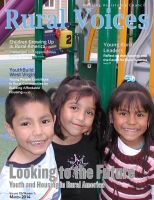
thumb_rvmarch2014-coverThe March 2014 issue of Rural Voices, “Looking to the Future: Housing and Youth in Rural America” is now available for download from the Housing Assistance Council. This edition looks at the unique issues related to youth and housing in rural America. The edition also features several organizations that directly serve rural youth.

FEATURES

Children Growing up in Rural America
by Marybeth J. Mattingly and Cynthia M. Duncan, The Carsey Institute

Characteristics and challenges of a changing population.

Serving Families from Roots to the Moon
by Nadia Villagrán, Coachella Valley Housing Coalition

How California’s Coachella Valley Housing Coalition helped improve the lives of one rural farmworker family.

Young People Build Affordable Housing and Transform Their Lives
by Karen Jacobson, Randolph County Housing Authority

YouthBuild provides young rural Americans with the opportunity to build job skills, and homes, in their own communities.

Young Rural Housing Leaders Reflect

A group of graduates from the California Coalition for Rural Housing’s Youth Internship program discuss opportunities for youth in rural America.

Lead Poisoning: Not Just a Problem for Urban Youth
by Ron Rupp,

Lead paint is common in older rural housing and is considered to be the leading environmental health threat to young children.

VIEW FROM WASHINGTON

Congress Acts on Rural Housing
by Joe Belden and Leslie Strauss

A federal budget and extension of eligibility for rural communities are positive steps for affordable rural housing. The proposed 2015 budget? Not so much.

MAPS

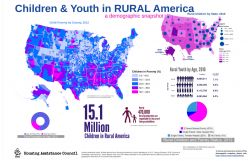
thumb_childrenandyouthmapChildren & Youth in Rural America – (Interactive Prezi)

Add your Response

Rural Voices would like to hear what you have to say about one, or all, of these issues. Please feel free to comment on this story below, tweet #RuralVoicesMag, discuss on the Rural Affordable Housing Group on LinkedIn, or on our Facebook page.

HAC News: March 5, 2014

HAC News Formats. pdf

March 5, 2014
Vol. 43, No. 5

• For USDA housing, budget proposes minimum rents and new limits on Rental Assistance • HUD budget proposes some cuts, some increases • FY14 HUD NOFAs’ general section issued, includes transportation emphasis • Section 811 Project Rental Assistance funds offered • Housing counseling funds available • RD implements Violence Against Women Act changes • Section 184 fee increased, regulations revised • EPA proposes expanded pesticide protection for farmworkers

March 5, 2014
Vol. 43, No. 5

FOR USDA HOUSING, BUDGET PROPOSES MINIMUM RENTS AND NEW LIMITS ON RENTAL ASSISTANCE. On March 4 the Obama Administration released its budget proposal for FY15. Many of the USDA rural housing programs would be funded at the same level as in FY14. Differences include decreases in Section 502 direct loans and Section 523 self-help housing; as it has in past budgets, the Administration states it would rely on the Section 502 and 538 guarantee programs to finance single- and multifamily housing. Significant changes are proposed for the Section 521 Rental Assistance program. RA recipients would be required to pay a minimum rent of $50 per month unless exempted because of hardship. RA contracts would not automatically be renewed, and USDA would determine whether projects needed renewed RA.

[tdborder][/tdborder]

USDA Rural Devel. Prog.
(dollars in millions)

FY13
Approp.a

FY14
Approp.

FY15
Admin. Budget

502 Single Fam. Direct
Self-Help setaside

$900
5

$900
5

$360
0

502 Single Family Guar.

24,000

24,000

24,000

504 VLI Repair Loans

28

26.3

26.3

504 VLI Repair Grants

29.5

28.7

25

515 Rental Hsg. Direct Loans

31.3

28.4

28.4

514 Farm Labor Hsg. Loans

20.8

23.9

23.9

516 Farm Labor Hsg. Grants

7.1

8.3

8.3

521 Rental Assistance
Preservation RA setaside
New Cnstr. 515 RA setaside
New Cnstr. 514/516 RA setaside

907.1
0
0
3

1,110
0
0
0

1,089
0
0
0

523 Self-Help TA

30

25

10

533 Hsg. Prsrv. Grants

3.6

3.5

0

538 Rental Hsg. Guar.

150

150

150

Rental Prsrv. Demo. (MPR)

17.8

20

20

Rental Prsrv. Revlg. Lns.

0

0

0

542 Rural Hsg. Vouchers

10

12.6

8

Rural Cmnty. Dev’t Init.

6.1

6

0

a Figures shown do not include 5% sequester or 2.5% across the board cut.

HUD BUDGET PROPOSES SOME CUTS, SOME INCREASES. HUD programs such as homeless assistance, public housing operating and capital funds, Section 202 housing for seniors, Section 811 housing for the disabled, tenant-based rental assistance, fair housing, housing counselling, and lead hazard control all have proposed increases. The Housing Trust Fund would receive $1.0 billion. Community Development Block Grants and HOME would be cut, and small rural programs are zeroed out. The Rural Innovation Fund and its predecessor, the Rural Housing and Economic Development program, are not mentioned at all. As was proposed for FY14, the SHOP program would receive an appropriation of $10 million, but only as a setaside within HOME (which would be cut).

HUD Program
(dollars in millions)

FY13
Approp.a

FY14
Approp.

FY15
Admin. Budget

Cmty. Devel. Fund
CDBG
Sustainable Commun. Init.
Rural Innovation Fund

3,308
2,948
0
0

3,100
3,030
0
0

2,870
2,800
0
0

HOME
SHOP setaside

1,000
b

1,000
b

950
10

Self-Help Homeownshp. (SHOP)

13.5

10

c

Tenant-Based Rental Asstnce.
VASH setaside

18,939.4
75

19,177.2
75

20,100
75

Project-Based Rental Asstnce.

9,339.7

9,516.6

9,346

Public Hsg. Capital Fund

1,886

1,875

1,925

Public Hsg. Operating Fund

4,262

4,400

4,600

Choice Neighbrhd. Initiative

120

90

120

Housing Trust Fund

d

d

1,000

Native Amer. Hsg. Block Grant

650

650

650

Homeless Assistance Grants

2,033

2,105

2,406.4

Rural Hsg. Stability Prog.

e

e

e

Hsg. Opps. for Persons w/ AIDS

334

330

332

202 Hsg. for Elderly

377

385.3

440

811 Hsg. for Disabled

165

126

160

Fair Housing

70.8

66

71

Healthy Homes & Lead Haz. Cntl.

120

110

120

Housing Counseling

45

45

60

a Figures shown do not include 5% sequester.
b Funded under separate Self-Help & Assisted Homeownership Opportunity Program.
c Funded as a setaside in HOME.
d National Housing Trust Fund is “mandatory” funding, not discretionary, so does not need to be funded through appropriations legislation, although the Administration did include it in the budget request.
e Funded under Homeless Assistance Grants.

FY14 HUD NOFAS’ GENERAL SECTION ISSUED, INCLUDES TRANSPORTATION EMPHASIS. As in past years, this document provides information that applies to all FY14 program NOFAs and does not itself offer funds. One of HUD’s crosscutting priorities is to reduce transportation costs by locating housing close to amenities such as grocery stores, medical facilities, and schools. A nonmetro site can receive a rating point if it is within one mile of amenities or within half a mile of public transportation to amenities. Contact HUD’s grants management office, 202-708-0667.

SECTION 811 PROJECT RENTAL ASSISTANCE FUNDS OFFERED. State, regional, and local housing agencies can apply for FY13 and FY14 monies to provide project-based rental assistance for Section 811 supportive housing for extremely low-income persons with disabilities. Deadline is May 5, 2014. Contact Lessie Powell Evans, HUD, PRAapplications@hud.gov.

HOUSING COUNSELING FUNDS AVAILABLE. Apply by April 7 for FY14 and FY15 funding. Contact HUD, housing.counseling@hud.gov.

RD IMPLEMENTS VIOLENCE AGAINST WOMEN ACT CHANGES. The March 2013 reauthorization of VAWA made USDA’s multifamily programs (Sections 515, 514/516, 533, and 538) subject to the law. Administrative Notice 4747 begins to implement it, notifying RD staff that victims are protected from eviction, offenders may be removed from leases, victims may be relocated to other units using RD’s LOPE process, and more. Contact Barbara Chism, USDA RD, 202-690-1436.

SECTION 184 FEE INCREASED, REGULATIONS REVISED. HUD issued a final rule implementing a provision in the FY13 appropriations law that allows it to increase the guarantee fee under the Section 184 Indian Housing Loan Guarantee program to as much as 3%. A separate notice increases the fee, effective April 4, to 1.5% from the current 1%. Contact Rodger Boyd, HUD, 202-401-7914.

EPA PROPOSES EXPANDED PESTICIDE PROTECTION FOR FARMWORKERS. A proposed rule is posted on EPA’s site. Comments will be due 90 days after publication in the Federal Register. Contact Kathy Davis, EPA, 703-308-7002.

Keeping Rural Seniors in Their Homes

Through my work researching housing for rural seniors, two things have become evident: first, rural America is older than the nation overall, and second, aging in place is the best option for seniors. “Aging in place” refers to older adults living independently in their current residences or communities for as long as possible. The vast majority of rural seniors own their own homes, so this often means remaining there; it can also be accomplished, however, by moving to a more manageable dwelling (such as a smaller apartment).

Numerous reports have proposed that aging in place… Read more

Tag Archive for: Rural Housing

Making a Difference in Rural America

Administrator Tony HernandezUSDA Rural Housing Services Administrator Tony HernandezNewly appointed Rural Housing Service administrator shares his thoughts and priorities for USDA’s housing initiatives.

I am honored and pleased to be the new administrator at the U.S. Department of Agriculture’s (USDA) Rural Housing Service (RHS). For more than 60 years, USDA has helped millions of rural residents become part of the American Dream of homeownership. I look forward to the opportunity to continue and expand this agency’s historic accomplishments.

I have now been on the job for some time and have been impressed by the vital work that we do to provide housing and community facilities in Rural America. In my 26 years in community development, I have strongly believed that housing is a conduit to family, neighborhood and community. I see RHS as a community development agency. The multiple roles we play—catalyst, partner, advocate, regulator and investor—improve people’s lives and create better communities.

With its wide open spaces filled with lush, natural beauty, combined with its small-town charms, rural America is a great place to live and raise a family. And, although rural America is changing due to the rise of new technologies like the Internet and the advent of globalism, one thing still holds true: homeownership remains one of the single-most important factors that help our rural communities thrive and prosper economically.

The resources in our community development toolkit include homeownership programs for rural families. USDA has two primary Single-Family Housing Programs that are a major provider of homeownership opportunities in rural communities. The direct homeownership loan program helps very low- to low-income families. It is designed to open the door to homeownership to those who do not qualify for mortgage credit from conventional lenders. These loans are available to families and individuals with reasonable credit history and dependable income. This is not a government handout. Direct loans are repaid and subsidized to lower the monthly loan payment at a relatively small cost to the government.

My major priority is to focus on enhancing customer service through improved business processes.

For moderate-income families, we offer a guaranteed homeownership loan program and partner with participating private-sector lenders to provide home loans in rural areas at reasonable rates and terms.

For many Americans, especially those in rural areas, a home is the largest asset they will buy in their lifetime. Homeownership provides multiple, long-term benefits. It leads to greater economic security for families, who often can use the equity in their homes to build their credit, finance their children’s educations, improve the value of their property, or finance other necessities such as health care. Homeownership also helps families to plant long-term roots in their community.

Many rural residents who buy homes through USDA programs are first-time homebuyers. We also help current homeowners improve their homes through USDA rehabilitation loans or grants. Very low-income homeowners who are age 62 or older can qualify for grants to make health and safety improvements – such as accessibility accommodations – in addition to repairs. We are proud that USDA helps families start on the path of economic stability and a more secure future through homeownership.

The benefits of our housing programs extend beyond the homeowners themselves. USDA home loans also create economic opportunities for home builders, providers of durable goods such as lumber or appliances, and Realtors. USDA home loans often represent the majority of the business volume for many Realtors. Finally, local governments also benefit from increased revenue through property taxes. In fact, in many jurisdictions, property taxes from homeowners are the largest source of revenue. This is particularly true in rural communities where there are relatively fewer businesses compared to homeowners.

Homeownership is essential to the fabric of life in rural America, for our families, and for the communities in which they live.

Creating viable communities also means providing opportunities for families and seniors to have good rental housing as well as good housing for farm workers. In partnership with multi-family property owners and their property managers the USDA Multi-Family Housing programs assist in creating rental homes that support and encourage families to be part of their communities. USDA also provides rental assistance to help very low-income families and senior citizens find safe, decent housing at an affordable cost. USDA provides these rental assistance subsidies to these families to offset the difference between market rents and a monthly amount they can afford.

I would be remiss if I failed to note that USDA offers several other forms of assistance to rural communities to complement our strong housing programs. In addition to housing, successful communities need community facilities that help them to be and remain a viable community. Our RHS Community Facilities program helps communities finance the development of essential services and buildings such as hospitals, child care centers, libraries, mental health clinics, first responder vehicles and equipment, and other community assets that help make communities strong and self-sufficient.

Our successes are our families. Here are some numbers:

  • In Fiscal Year (FY) 2008, USDA guaranteed loans created approximately 63,000 homebuyers. By FY 2013 (which ended September 30, 2013), annual loan volume had climbed by more than 100,000 loans – an increase of more than 158%.
    From the start of FY 2009 through the end of FY 2013, the program financed more than 700,000 homeowners. Rural Development financed about 3.6 times the number of loans the agency had financed during the previous five years.
  • Loans are only part of the story. The full story is about the people. My major priority is to focus on enhancing customer service through improved business processes. With the reduction of staff that RHS has experienced over the last few years doing more with less requires the team to implement new business processes to better serve our customers, improve the predictability of the process, and enhance productivity of our great staff. Many of the RHS processes have not had dedicated budget dollars to automate. This year’s technology budget has created the opportunity for RHS to implement automation solutions that will improve the quality, standardize processes, improve staff productivity, and provide better customer service.

And to better serve the people, one of my first priorities is to help improve processes and service at our Customer Center in St. Louis. Our success there will enhance customer service, reduce financial and regulatory risks, improve staff productivity, improve staff morale, and create employee development opportunities.

We recently assembled a Single-Family Housing Rapid Improvement Team of experienced staff from St. Louis and Washington, D.C. The team also included lenders, a representative from the Department of Housing and Urban Development, a USDA Rural Development State Director, and a USDA Rural Development Program Director.

Johnston Family Rural Development Home - USDAJohnston Family, USDA Rural Development Home – Creative Commons photo

I have implemented various business improvement techniques to identify other business processes for improvement. The following are some of the areas of focus:

For our Single Family Housing loan guarantee program, we are working to improve our processes for loan loss mitigation to help borrowers who are in danger of default. We are improving our front-end image processing for loan documents. And we are implementing an automated process for loan closing. We are also working towards implementing delegated loan underwriting to reduce workloads for both lenders and RD staff. In addition, we’re working on a single close, construction to permanent loan to streamline processes and reduce costs.

For the Single Family Housing Direct loan program, we are working to improve our processes for acquired properties (Real Estate Owned) to better manage these properties. We are streamlining our loan origination system and implementing a program to work with loan packagers for outreach and loan application submission.

In our Multi-Family programs, we are working on an electronic loan application, we are streamlining the processes for transfers of properties when an owner wishes to sell. To streamline property inspections, we are investing in hand-held devices. We are also working on an electronic loan/grant application for our Community Facilities program.

One of the critical success factors to better customer service is implementing program processes that are understandable, easy to go through, predictable, transparent, and done in partnership with our customers and stakeholders. As part of RHS’s business process improvement, I welcome the wisdom and input of all our great partners on how we can better serve the needs of rural America. Please do not hesitate to contact RHS with your ideas.

As the Administrator of USDA’s Rural Housing Service, I can assure you that I and everyone on our team are committed to improving the lives of rural Americans and creating ladders of opportunity. Using all of our community development tools and through our strategic partnerships we make a huge difference in the lives of millions of rural Americans every day.

I look forward to working with all our stakeholder groups to make a difference through partnership, collaboration, investment, and advocacy for rural America.

Tony Hernandez is Administrator of USDA’s Rural Housing Service.

HAC News: July 9, 2014

HAC News Formats. pdf

July 9, 2014
Vol. 43, No. 14

• Castro confirmed as HUD secretary • Civil rights anniversary noted • Section 514/516 preapplications due September 2 • HUD offers FY14 and FY15 HOPE VI Main Street funds • Treasury and HUD announce rental housing initiative • CRA regulators update list of distressed or underserved nonmetro middle-income geographies • New report examines rural rental housing • New York Times piece on rural poverty draws criticism • HAC calculates 8,000 USDA properties will pay off loans by 2020 • Concentration of poverty has increased, Census Bureau reports • HAC’s website redesigned

July 9, 2014
Vol. 43, No. 14 [tdborder][/tdborder]

CASTRO CONFIRMED AS HUD SECRETARY. On July 9 by a 71-26 vote the full Senate confirmed Julián Castro to replace Shaun Donovan as Secretary of HUD. The Senate has not yet voted on Donovan’s nomination as the new OMB director. (See HAC News, 5/28/14.)

CIVIL RIGHTS ANNIVERSARY NOTED. President Obama proclaimed July 2, 2014, as the 50th Anniversary of the Civil Rights Act, which was signed into law by President Lyndon B. Johnson on July 2, 1964.

SECTION 514/516 PREAPPLICATIONS DUE SEPTEMBER 2. Section 514 loans and Section 516 grants can be used for new construction or purchase and substantial rehabilitation of rental housing for farmworkers. Section 521 Rental Assistance is available. The maximum award is $3 million. Contact a USDA RD state office.

HUD OFFERS FY14 AND FY15 HOPE VI MAIN STREET FUNDS. Governments of counties, cities, and townships with populations under 50,000 are eligible for grants to replace unused commercial space with affordable housing in historic or traditional central business districts. Deadline is August 18. Contact Lawrence Gnessin, HUD, lawrence .gnessin@hud.gov.

TREASURY AND HUD ANNOUNCE RENTAL HOUSING INITIATIVE. The Treasury Department’s Federal Financing Bank will finance mortgages made by Housing Finance Agencies and insured by FHA under its risk-sharing programs. Treasury is also extending the Making Home Affordable homeowner assistance program for at least one year and requesting public input by August 8 on ways to improve the private label securities market for housing finance.

CRA REGULATORS UPDATE LIST OF DISTRESSED OR UNDERSERVED NONMETRO MIDDLE-INCOME GEOGRAPHIES. The annual list identifies census tracts where bank activities will be considered as “community development” under the Community Reinvestment Act. There are slightly fewer tracts on the list in 2014 than in 2013, presumably reflecting some improvement in the economy.

NEW REPORT EXAMINES RURAL RENTAL HOUSING. Rural America’s Rental Housing Crisis: Federal Strategies to Preserve Access to Affordable Rental Housing in Rural Communities, published by the National Rural Housing Coalition, documents the successes of USDA’s rental housing programs and the challenges facing them now, including preservation and Section 521 Rental Assistance funding.

NEW YORK TIMES PIECE ON RURAL POVERTY DRAWS CRITICISM. “What’s the Matter with Eastern Kentucky?” by Annie Lowrey describes economic decline in Clay County, KY and wonders whether moving away might be residents’ best option. Tim Marema and Betsy Taylor respond with critical posts on the Daily Yonder.

HAC CALCULATES 8,000 USDA PROPERTIES WILL PAY OFF LOANS BY 2020. The oldest Section 515 and 514 loans are reaching the end of their 50-year mortgage terms. “Maturating USDA Multi-Family Housing Loans will Impact Ten-ants explains that when a Section 515 or 514 loan is paid off, some tenant benefits (such as Section 521 Rental Assistance) are terminated. Tenant protection rules apply to prepayments but not to payoffs of mature loans. HAC’s Rural Policy Note recommends that USDA ask project owners to notify tenants well in advance of payoff.

CONCENTRATION OF POVERTY HAS INCREASED, CENSUS BUREAU REPORTS. The proportion of U.S. residents living in census tracts with poverty rates of 20% or higher fell from 1990 to 2000, then increased from 18.1% in 2000 to 25.7% in 2010. While the overall U.S. population grew by 10% over the decade, the number of people in these high poverty areas increased by about 56%. Of the people living in high poverty tracts in 2010, 51.1% lived in cities at the center of metropolitan areas, 28.6% in suburbs, and 20.4% in nonmetro areas. Census’s report, Changes in Areas with Concentrated Poverty: 2000 to 2010, includes maps and tables with data by state, race, age, and more.

HAC’S WEBSITE REDESIGNED. There’s a new look to the same great information at www.ruralhome.org.

Register now for upcoming HAC webinars:

and place-based trainings:

USDA Offers 514/516 Farmworker Housing Funds

Pre-applications are due September 2, 2014 requesting Section 514 loans and Section 516 grants for off-farm housing for farmworkers. Funds can be used for new construction or for purchase and substantial rehabilitation of a property that does not currently have USDA Section 514/516 financing. Section 521 Rental Assistance is available for new construction. Applicants may request up to $3 million (total for loan and grant).

Pre-application packets should be available on USDA’s website, or contact a USDA Rural Development state office for a packet.

USDA Multi-Family Fair Housing Occupancy Report FY 2013

USDA’s yearly occupancy survey shows the total number of properties in USDA’s rural rental portfolio fell by 2.48% from April 2012 to September 2013, a decrease of 346 Section 515 properties and 34 Section 514 properties. The reduction covers 5,092 apartments (1.14% of total units). The 2013 report is the first to include demographic data on Section 521 Rental Assistance (RA) households, and they appear generally similar to tenants in Section 515 properties. The average annual income of Section 515 residents has increased slightly to $11,747. For Section 515 tenants with RA, average income is $9,828.

Congress Agrees: Collaborative, Comprehensive Care Needed For Rural Vets

by Eric Oberdorfer

DSC_0019Rural America has a strong history of protecting our country. In fact, as highlighted in a recent report on rural veterans, veterans are more prevalent in rural America, comprising 11.4 percent of the rural population compared to 9.6 percent of the nation overall. However, providing needed services to veterans in rural America can often be more challenging due to the spread out nature of rural areas. These challenges were discussed in depth at a recent symposium held at the US Capitol.
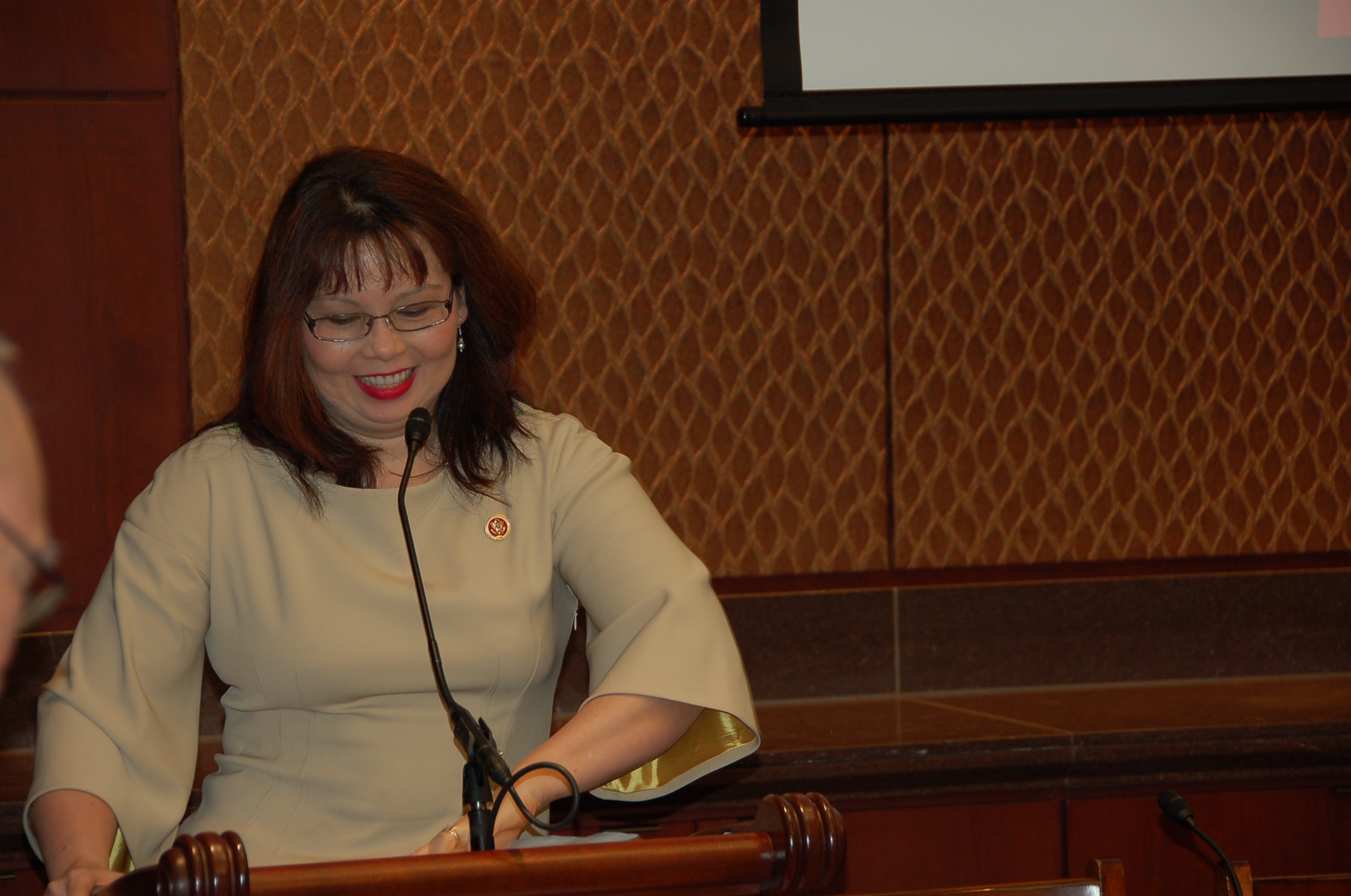
Attended by Sen. Johnny Isakson of Georgia, Sen. Bernie Sanders of Vermont, and Rep. Tammy Duckworth of Illinois, each member of Congress noted the responsibility we share to ensure the well-being of our veterans, regardless of where they may live. It was encouraging to hear elected members of Congress discuss and acknowledge the challenges that exist in providing services to veterans in rural America.

Read the complete blog post at Rooflines.

HAC News: April 16, 2014

HAC News Formats. pdf

April 16, 2014
Vol. 43, No. 8

• House members question USDA officials about minimum rent proposal and support homeownership • April is National Financial Capability Month • USDA to hold phone or web meetings for Section 538 stakeholders • Rule proposed to implement oversight of appraisal management companies • Report makes case for homeless bills of rights • HUD releases interim report on Native American and Alaska Native housing • Entire nonmetro U.S. loses population for the first time, ERS says • State rental assistance programs study published • Health report for counties includes housing conditions for the first time • HAC reports on rural veterans’ housing • Recent blog posts cover decline of USDA housing, minimum rent proposal

April 16, 2014
Vol. 43, No. 8

HOUSE MEMBERS QUESTION USDA OFFICIALS ABOUT MINIMUM RENT PROPOSAL AND SUPPORT HOMEOWNERSHIP. At an Agriculture Appropriations Subcommittee hearing on April 4, Reps. Rosa DeLauro (D-CT) and Robert Aderholt (R-AL), the subcommittee chair, asked about the Administration’s budget’s $50 minimum rent proposal (see HAC News, 3/5/14). Housing Administrator Tony Hernandez emphasized that the request included provisions for hardship exemptions. Rep. Hal Rogers (R-KY), who is chair of the full committee, and several others criticized the budget’s low requests for Section 502 direct loans and the Section 523 self-help program. The archived webcast and written statements and testimony are available online.

APRIL IS NATIONAL FINANCIAL CAPABILITY MONTH. President Obama’s proclamation recommends consumers get free resources on managing money at www.MyMoney.gov and www.ConsumerFinance.govor call 1-888-MyMoney.

USDA TO HOLD PHONE OR WEB MEETINGS FOR SECTION 538 STAKEHOLDERS. Sessions are expected to be held in spring, July, and November. To receive notice of dates and times, register with Monica Cole, RD, 202-720-1251.

RULE PROPOSED TO IMPLEMENT OVERSIGHT OF APPRAISAL MANAGEMENT COMPANIES (AMCS). The federal agencies that oversee private lenders, along with the Consumer Financial Protection Bureau and the Federal Housing Finance Agency, request comments by June 9 on proposed regulationsfor AMCs. These are entities that serve as intermediaries for, and provide certain services to, appraisers and lenders. To be eligible to provide services for federally related transactions, AMCs and appraisers that are lender subsidiaries will have to meet federal and state standards and register in a national database. Contact Robert L. Parson, OCC, 202-649-6423.

REPORT MAKES CASE FOR HOMELESS BILLS OF RIGHTS. On April 15 the National Law Center on Homelessness & Poverty released From Wrongs to Rights: The Case for Homeless Bills of Rights Legislation.It describes the need for homeless bills of rights legislation, examines models of laws enacted and proposed in some states, and offers guidance on how to enact them.

HUD RELEASES INTERIM REPORT ON NATIVE AMERICAN AND ALASKA NATIVE HOUSING. Continuity and Change: Demographic, Socioeconomic, and Housing Conditions of American Indians and Native Alaskans,which uses secondary data sources, is part of the National Assessment of Native American, Alaska Native, and Native Hawaiian Housing Needs. The full report will include original research. The preliminary findings indicate that some socioeconomic differences between the American Indian and Alaska Native population and others have narrowed, but significant gaps persist in poverty, employment, and housing needs. Affordability is the most frequent housing problem for AIAN households, though crowding and physical inadequacy are common in some places. A separate report will cover Native Hawaiians.

ENTIRE NONMETRO U.S. LOSES POPULATION FOR THE FIRST TIME, ERS SAYS. USDA’s Economic Research Service reports that nonmetro areas in some parts of the country have experienced population loss for decades. However, 2010-13 marks the first period with an estimated population loss for nonmetro America as a whole, despite growth in some places. Some new regional patterns of growth and decline have emerged in recent years, such as growth in energy producing areas of the northern Great Plains. A Census Bureau analysisof population changes for the year ending July 1, 2013 notes this trend and others, including data for metropolitan and micropolitan places as well as nonmetro.

STATE RENTAL ASSISTANCE PROGRAMS STUDY PUBLISHED. State Funded Housing Assistance Programs,released by the Technical Assistance Collaborative, catalogs existing programs and identifies their key characteristics.

HEALTH REPORT FOR COUNTIES INCLUDES HOUSING CONDITIONS FOR THE FIRST TIME. The Robert Wood Johnson Foundation has added housing problems (cost burden, crowding, lacking plumbing or lacking kitchen) as a factor in its county health rankings. Other factors include smoking, high school graduation rates, unemployment, and many more.

HAC REPORTS ON RURAL VETERANS’ HOUSING. From Service to Shelter: Housing Veterans in Rural America, funded by the Home Depot Foundation, covers the characteristics of rural veterans and their housing, as well as issues facing them, and summarizes available housing resources. Veteran homelessness has decreased and housing conditions have improved, but rural challenges remain, such as the distance to service providers. HAC and the Home Depot Foundation hosted a symposium on serving rural veterans on April 9; materials are posted online.

RECENT BLOG POSTS COVER DECLINE OF USDA HOUSING, MINIMUM RENT PROPOSAL. “Analysis: Rural Housing Programs in Decline,” written by HAC staff for the Daily Yonder, reviews funding trends and the FY15 Administration budget request. “Obama Plan to Raise Rents on Rural Poor is the Wrong Way to Save Money,” a post on the Center on Budget and Policy Priorities blog, addresses the budget’s request to impose minimum rents on USDA tenants.

Coming Together for Rural Veterans: HAC’s Serving Veterans in Rural America Symposium

Sponsored by The Home Depot Foundationby Eric Oberdorfer

Rural America has a strong history of protecting our country. In fact, veterans are more prevalent in rural America, comprising 11.4 percent of the rural population compared to 9.6 percent of the nation overall. However, providing needed services to veterans in rural America can often be more challenging due to the spread out nature of rural areas. Aiming to draw attention to the housing needs of rural veterans, The Home Depot Foundation and the Housing Assistance Council convened Serving Veterans in Rural America: A Symposium on April 9th, 2014. Moises Loza of HAC and Heather Pritchard of The Home Depot Foundation welcomed the attendees.

HAC was honored to have Senator Johnny Isakson of Georgia, Senator Bernie Sanders of Vermont, and Representative Tammy Duckworth of Illinois as opening speakers. Each member of Congress noted the responsibility we share to ensure the well-being of our veterans, regardless of where they may live. It was encouraging to hear elected members of Congress discuss and acknowledge the challenges that exist in providing services to veterans in rural America.

Symposium Materials

From Service to Shelter

Power Point Presentations

Photos from the Symposium

#RuralVeterans Storify

Attendees also heard from Gina Capra, Director of the Office of Rural Health at the Department of Veterans Affairs (VA); Tony Hernandez, Administrator of the USDA Rural Housing Service; Keith Kelly, Assistant Secretary of Labor for the Veterans’ Employment and Training Services at the Department of Labor (DoL); and Ann Oliva, Director of HUD’s Office of Special Needs Assistance Programs. Each agreed that to best serve our veterans, federal agencies must collaborate. HUD, VA, DoL, and USDA must look for ways to work together within their respective programs that will best meet the comprehensive needs of our veterans. This includes housing, employment, and physical and mental health services.

Rep. Tammy DuckworthRep. Tammy Duckworth prepares her remarksFortunately, the elected members of Congress were united on this front as well. Representative Duckworth discussed the importance of partnerships to ensure veterans in tribal lands received supports. Senator Isakson noted the potential benefits of providing vouchers to rural veterans so that they may access local health care providers if distances to VA medical facilities are too great. He also noted the unsettling rise of suicides within the veteran population and the need to ensure that mental health services are available and accessible.

Another theme that emerged from the Symposium was the obligation to acknowledge the differences that exist between rural America and urban or suburban parts of the country. Agencies agreed that there is a need to change the way outreach and resources are provided to rural areas, especially for homeless veterans. Better data on rural veterans is critical to achieve this goal, and the uniqueness of rural America must be taken into account during data collection and service provision. The panel noted how important it is to remember that issues common to all veterans, like transportation needs, health care needs, unemployment, and housing concerns, are exacerbated in rural areas. Furthermore, the lack of internet in some rural areas can significantly complicate VA or other federal application processes.

The issue of veteran homelessness was also brought up frequently throughout the symposium. Although programs like HUD-VASH, which combine HUD housing vouchers with case-management and clinical services provided by the VA, have been credited in lowering veteran homelessness by 24 percent since 2009, there is still more work to do. This is especially true in regard to female veterans with children, who are more likely to become homeless than their male counterparts. Shockingly, caring for their children can complicate efforts to seek treatment and housing services, as many supportive housing developments are unable to house families. Representative Duckworth stated that it breaks her heart to see these individuals, who gave so much to protect our country, having to choose between a home or her family.

Heather Pritchard and Sen. Johnny IsaksonHeather Pritchard of The Home Depot Foundation and Sen. Johnny IsaksonThanks to the tireless work of housing providers in rural America, these issues are being addressed. The Symposium ended with a panel, moderated by Mark Williams of The American Legion, that showcased programs and initiatives that house veterans in rural America. Retha Patton of Eastern Eight CDC, Rita Markley of the Committee on Temporary Shelter (COTS), and Kenn Sassorossi of Housing Vermont shared inspiring success stories about providing needed housing to veterans within their rural communities in Tennessee and Vermont. These stories included family housing options with support services for homeless veterans. Heather Pritchard also discussed The Home Depot Foundation’s efforts in providing needed funding and assistance to organizations that house rural veterans. These programs and initiatives all highlight the importance of partnership and collaboration to successfully house veterans in need.

As Senator Sanders noted, the costs of war are greater than we know, and we must continue to meet the needs of our veterans when they return home. Although there is work to be done, it is always encouraging to know that elected leaders, government employees, and local organizations remain committed to this goal. Wednesday’s Symposium was a wonderful reminder of this, and an important reminder to thank our veterans whenever possible.

Looking to the Future: Youth and Housing in Rural America

thumb_rvmarch2014-coverThe March 2014 issue of Rural Voices, “Looking to the Future: Housing and Youth in Rural America” is now available for download from the Housing Assistance Council. This edition looks at the unique issues related to youth and housing in rural America. The edition also features several organizations that directly serve rural youth.

FEATURES

Children Growing up in Rural America
by Marybeth J. Mattingly and Cynthia M. Duncan, The Carsey Institute

Characteristics and challenges of a changing population.

Serving Families from Roots to the Moon
by Nadia Villagrán, Coachella Valley Housing Coalition

How California’s Coachella Valley Housing Coalition helped improve the lives of one rural farmworker family.

Young People Build Affordable Housing and Transform Their Lives
by Karen Jacobson, Randolph County Housing Authority

YouthBuild provides young rural Americans with the opportunity to build job skills, and homes, in their own communities.

Young Rural Housing Leaders Reflect

A group of graduates from the California Coalition for Rural Housing’s Youth Internship program discuss opportunities for youth in rural America.

Lead Poisoning: Not Just a Problem for Urban Youth
by Ron Rupp,

Lead paint is common in older rural housing and is considered to be the leading environmental health threat to young children.

VIEW FROM WASHINGTON

Congress Acts on Rural Housing
by Joe Belden and Leslie Strauss

A federal budget and extension of eligibility for rural communities are positive steps for affordable rural housing. The proposed 2015 budget? Not so much.

MAPS

thumb_childrenandyouthmapChildren & Youth in Rural America – (Interactive Prezi)

Add your Response

Rural Voices would like to hear what you have to say about one, or all, of these issues. Please feel free to comment on this story below, tweet #RuralVoicesMag, discuss on the Rural Affordable Housing Group on LinkedIn, or on our Facebook page.

HAC News: March 5, 2014

HAC News Formats. pdf

March 5, 2014
Vol. 43, No. 5

• For USDA housing, budget proposes minimum rents and new limits on Rental Assistance • HUD budget proposes some cuts, some increases • FY14 HUD NOFAs’ general section issued, includes transportation emphasis • Section 811 Project Rental Assistance funds offered • Housing counseling funds available • RD implements Violence Against Women Act changes • Section 184 fee increased, regulations revised • EPA proposes expanded pesticide protection for farmworkers

March 5, 2014
Vol. 43, No. 5

FOR USDA HOUSING, BUDGET PROPOSES MINIMUM RENTS AND NEW LIMITS ON RENTAL ASSISTANCE. On March 4 the Obama Administration released its budget proposal for FY15. Many of the USDA rural housing programs would be funded at the same level as in FY14. Differences include decreases in Section 502 direct loans and Section 523 self-help housing; as it has in past budgets, the Administration states it would rely on the Section 502 and 538 guarantee programs to finance single- and multifamily housing. Significant changes are proposed for the Section 521 Rental Assistance program. RA recipients would be required to pay a minimum rent of $50 per month unless exempted because of hardship. RA contracts would not automatically be renewed, and USDA would determine whether projects needed renewed RA.

[tdborder][/tdborder]

USDA Rural Devel. Prog.
(dollars in millions)

FY13
Approp.a

FY14
Approp.

FY15
Admin. Budget

502 Single Fam. Direct
Self-Help setaside

$900
5

$900
5

$360
0

502 Single Family Guar.

24,000

24,000

24,000

504 VLI Repair Loans

28

26.3

26.3

504 VLI Repair Grants

29.5

28.7

25

515 Rental Hsg. Direct Loans

31.3

28.4

28.4

514 Farm Labor Hsg. Loans

20.8

23.9

23.9

516 Farm Labor Hsg. Grants

7.1

8.3

8.3

521 Rental Assistance
Preservation RA setaside
New Cnstr. 515 RA setaside
New Cnstr. 514/516 RA setaside

907.1
0
0
3

1,110
0
0
0

1,089
0
0
0

523 Self-Help TA

30

25

10

533 Hsg. Prsrv. Grants

3.6

3.5

0

538 Rental Hsg. Guar.

150

150

150

Rental Prsrv. Demo. (MPR)

17.8

20

20

Rental Prsrv. Revlg. Lns.

0

0

0

542 Rural Hsg. Vouchers

10

12.6

8

Rural Cmnty. Dev’t Init.

6.1

6

0

a Figures shown do not include 5% sequester or 2.5% across the board cut.

HUD BUDGET PROPOSES SOME CUTS, SOME INCREASES. HUD programs such as homeless assistance, public housing operating and capital funds, Section 202 housing for seniors, Section 811 housing for the disabled, tenant-based rental assistance, fair housing, housing counselling, and lead hazard control all have proposed increases. The Housing Trust Fund would receive $1.0 billion. Community Development Block Grants and HOME would be cut, and small rural programs are zeroed out. The Rural Innovation Fund and its predecessor, the Rural Housing and Economic Development program, are not mentioned at all. As was proposed for FY14, the SHOP program would receive an appropriation of $10 million, but only as a setaside within HOME (which would be cut).

HUD Program
(dollars in millions)

FY13
Approp.a

FY14
Approp.

FY15
Admin. Budget

Cmty. Devel. Fund
CDBG
Sustainable Commun. Init.
Rural Innovation Fund

3,308
2,948
0
0

3,100
3,030
0
0

2,870
2,800
0
0

HOME
SHOP setaside

1,000
b

1,000
b

950
10

Self-Help Homeownshp. (SHOP)

13.5

10

c

Tenant-Based Rental Asstnce.
VASH setaside

18,939.4
75

19,177.2
75

20,100
75

Project-Based Rental Asstnce.

9,339.7

9,516.6

9,346

Public Hsg. Capital Fund

1,886

1,875

1,925

Public Hsg. Operating Fund

4,262

4,400

4,600

Choice Neighbrhd. Initiative

120

90

120

Housing Trust Fund

d

d

1,000

Native Amer. Hsg. Block Grant

650

650

650

Homeless Assistance Grants

2,033

2,105

2,406.4

Rural Hsg. Stability Prog.

e

e

e

Hsg. Opps. for Persons w/ AIDS

334

330

332

202 Hsg. for Elderly

377

385.3

440

811 Hsg. for Disabled

165

126

160

Fair Housing

70.8

66

71

Healthy Homes & Lead Haz. Cntl.

120

110

120

Housing Counseling

45

45

60

a Figures shown do not include 5% sequester.
b Funded under separate Self-Help & Assisted Homeownership Opportunity Program.
c Funded as a setaside in HOME.
d National Housing Trust Fund is “mandatory” funding, not discretionary, so does not need to be funded through appropriations legislation, although the Administration did include it in the budget request.
e Funded under Homeless Assistance Grants.

FY14 HUD NOFAS’ GENERAL SECTION ISSUED, INCLUDES TRANSPORTATION EMPHASIS. As in past years, this document provides information that applies to all FY14 program NOFAs and does not itself offer funds. One of HUD’s crosscutting priorities is to reduce transportation costs by locating housing close to amenities such as grocery stores, medical facilities, and schools. A nonmetro site can receive a rating point if it is within one mile of amenities or within half a mile of public transportation to amenities. Contact HUD’s grants management office, 202-708-0667.

SECTION 811 PROJECT RENTAL ASSISTANCE FUNDS OFFERED. State, regional, and local housing agencies can apply for FY13 and FY14 monies to provide project-based rental assistance for Section 811 supportive housing for extremely low-income persons with disabilities. Deadline is May 5, 2014. Contact Lessie Powell Evans, HUD, PRAapplications@hud.gov.

HOUSING COUNSELING FUNDS AVAILABLE. Apply by April 7 for FY14 and FY15 funding. Contact HUD, housing.counseling@hud.gov.

RD IMPLEMENTS VIOLENCE AGAINST WOMEN ACT CHANGES. The March 2013 reauthorization of VAWA made USDA’s multifamily programs (Sections 515, 514/516, 533, and 538) subject to the law. Administrative Notice 4747 begins to implement it, notifying RD staff that victims are protected from eviction, offenders may be removed from leases, victims may be relocated to other units using RD’s LOPE process, and more. Contact Barbara Chism, USDA RD, 202-690-1436.

SECTION 184 FEE INCREASED, REGULATIONS REVISED. HUD issued a final rule implementing a provision in the FY13 appropriations law that allows it to increase the guarantee fee under the Section 184 Indian Housing Loan Guarantee program to as much as 3%. A separate notice increases the fee, effective April 4, to 1.5% from the current 1%. Contact Rodger Boyd, HUD, 202-401-7914.

EPA PROPOSES EXPANDED PESTICIDE PROTECTION FOR FARMWORKERS. A proposed rule is posted on EPA’s site. Comments will be due 90 days after publication in the Federal Register. Contact Kathy Davis, EPA, 703-308-7002.

Keeping Rural Seniors in Their Homes

Through my work researching housing for rural seniors, two things have become evident: first, rural America is older than the nation overall, and second, aging in place is the best option for seniors. “Aging in place” refers to older adults living independently in their current residences or communities for as long as possible. The vast majority of rural seniors own their own homes, so this often means remaining there; it can also be accomplished, however, by moving to a more manageable dwelling (such as a smaller apartment).

Numerous reports have proposed that aging in place… Read more

GET THE HAC NEWS!

Sign-up for HAC information products

SIGN UP HERE

Housing Assistance Council   |  1828 L Street. N.W., Suite 505, Washington, D.C. 20036
(202) 842-8600 (202) 347-3441 hac@ruralhome.org |

Board Portal

HAC is an equal opportunity provider, employer, and lender. | Civil Rights | Privacy