Rural Seniors Get Housing Help from USDA

HAC’s Joe Belden published a post on the Bipartisan Policy Center’s Health and Housing Expert Forum: Aging in Place in Rural Communities.

For older adults living in rural communities, the challenge of aging in place is often magnified. What specific programs and policies have proven successful and could be replicated?

Almost 26 percent of the nation’s seniors live in rural areas. As the baby boom generation continues to age, unique challenges will be placed on housing and supportive services for rural seniors, who experience more poverty than seniors nationally. Rural America is also aging faster than the nation overall, due to both natural population change and the continuing exodus of younger adults. Housing conditions are different for rural senior renters and homeowners. Rural seniors typically own their homes, many of them outright. While most seniors are happy with their homes, the physical changes of aging can impact the capacity to age in place successfully. Rural seniors who rent are also significantly more likely to experience problems with housing affordability than those who own.

Read the full post from the Bipartisan Policy Center.
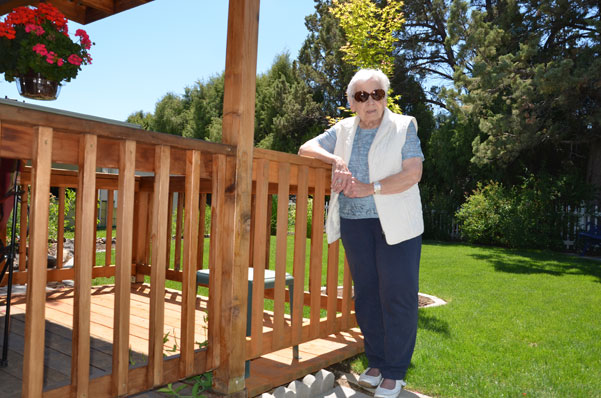
woman-on-porch-oregonPhoto: CASA of Oregon

FHLBanks Continue their Support of the Housing Assistance Council

The Housing Assistance Council is pleased to announce that it has been awarded another round of funding from the Federal Home Loan Banks. The new allocation of funding will help support rural housing issuees and improve the capacity of nonprofit organizations that develop housing in rural areas. The Federal Home Loan Banks are long-time supporters of the Housing Assistance Council and its mission.

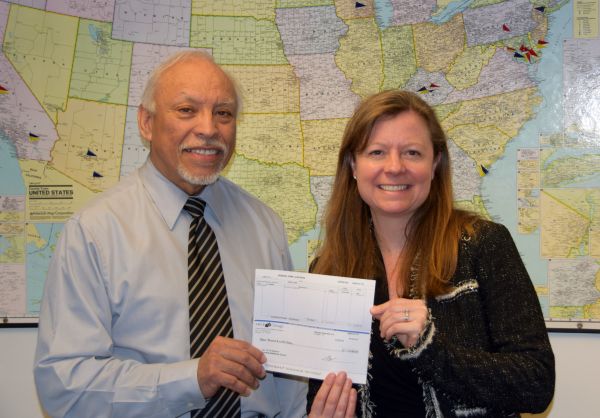
fhlb.2016.awardJennifer Ernst of FHLB Des Moines presents Moises Loza with HAC’s 2016 Funding Check

USDA offers 514/516 Farm Labor Housing grants and loans

Nonprofits, state or local government agencies, public agencies, federally recognized tribes, and limited partnerships with nonprofit general partners are eligible to apply for Section 514 loans. The same entities, with the exception of limited partnerships, are eligible for Section 516 grants. The funds can be used for construction of new off-farm Farm Labor Housing units and related facilities for domestic farm laborers, and for the purchase and substantial rehabilitation of existing non-FLH properties. Section 521 Rental Assistance and operating assistance are available for new construction.

To apply, contact the USDA Rural Development state office serving the state of the proposed project in order to receive further information and copies of the application package.

Applications are due to state offices on April 12, 2016.

Rural Housing Fares Better in 2016 Budget – The Daily Yonder

From The Daily Yonder: Rural programs that were slated for cuts got a reprieve – and some increases– in last month’s budget compromise. Renters, self-help home builders, and housing agencies will benefit from these last-minute changes.

by Joe Belden

Rural programs that were slated for cuts got a reprieve – and then some – in last month’s budget compromise. Renters, self-help home builders, and housing agencies will benefit from these last-minute changes.

In a significant victory for affordable housing, the federal omnibus spending bill passed last month maintains or expands several U.S. Department of Agriculture and Housing and Urban Development housing programs.

In earlier drafts of the legislation, the president and congressional leaders had proposed deep cuts in some USDA and HUD initiatives. But the final bipartisan legislation, signed into law by President Obama on December 18, maintained or expanded programs that advocates say are important for rural residents and housing agencies…

Read the complete post at The Daily Yonder.

Bad bargain? Manufactured-home owners feel the financial strain

Bad bargain? Twenty million Americans live in manufactured housing – many of which are located in rural areas. Manufactured homes, their owners, and the economics associated with this type of housing are highlighted in a new PBS NewsHour segment.

Twenty million Americans live in mobile, or manufactured, homes that offer affordable housing, particularly in rural parts of the country. Typically older and poorer than traditional homeowners, manufactured homeowners often face serious, unique financial difficulties that make it a bad bargain for some low-income Americans. NewsHour’s Stephen Fee reports.

The Federal Housing Finance Agency (FHFA) has re-issued a proposed rule on Duty To Serve.

The Federal Housing Finance Agency (FHFA) has re-issued a proposed rule on Duty To Serve. Through HERA, GSEs have a ‘duty to serve’ traditionally underserved markets of rural, preservation, and manufactured housing. Comments are due in 90 days.

First Generation College Students in Appalachia

A recent edition of the “Inside Appalachia” radio examines the challenges that first generation college students are going through, and how some colleges and universities are developing strategies and programs to help these students stay in school.

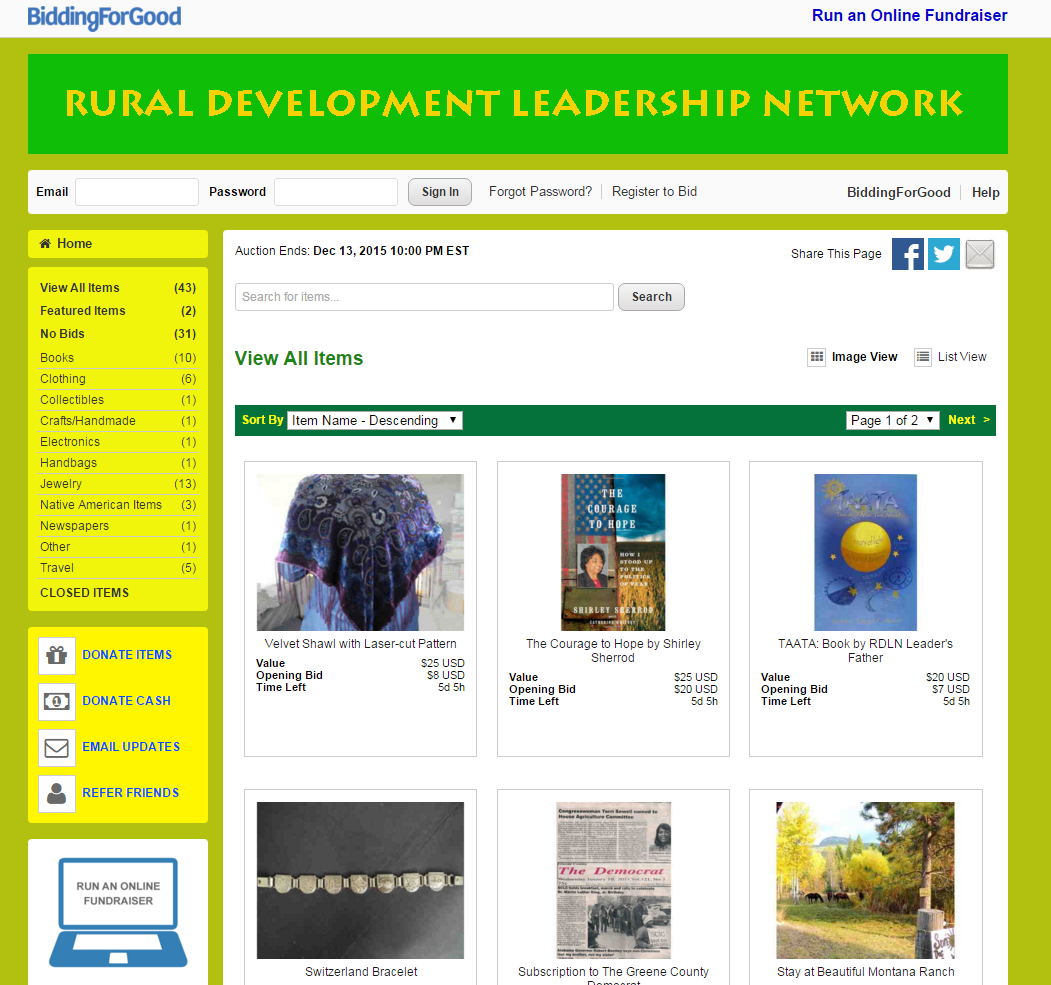
RDLN Auction Closes on December 13

The Rural Development Leadership Network (RDLN) Auction closes on December 13, 2015 at 10:00 PM EST.

Proceeds from the auction support the efforts of RDLN, a national multicultural social change organization founded in 1983, supports community-based development in poor rural areas through hands-on projects, education and skills building, leadership development and networking.

rdln-auction-2015

HUD Publishes Final Definition of Chronically Homeless

A final definition of “chronically homeless,” published Dec. 4, will be used in HUD’s Continuum of Care Program and in the Consolidated Plans that guide state and local governments’ use of HUD funds. HUD has tested three definitions of the term.

The Long Wait for Section 8

The long wait for Section 8. In most places across the country, Section 8 waiting lists are rarely open. When they do open, it’s for a small window of time, and the numbers are daunting. NPR’s Marketplace investigates increasing Section 8 wait lists

GET THE HAC NEWS!

Sign-up for HAC information products

SIGN UP HERE

Housing Assistance Council   |  1828 L Street. N.W., Suite 505, Washington, D.C. 20036
(202) 842-8600 (202) 347-3441 hac@ruralhome.org |

Board Portal

HAC is an equal opportunity provider, employer, and lender. | Civil Rights | Privacy